Guizhou Fanjingshan Buddhist Culture Park
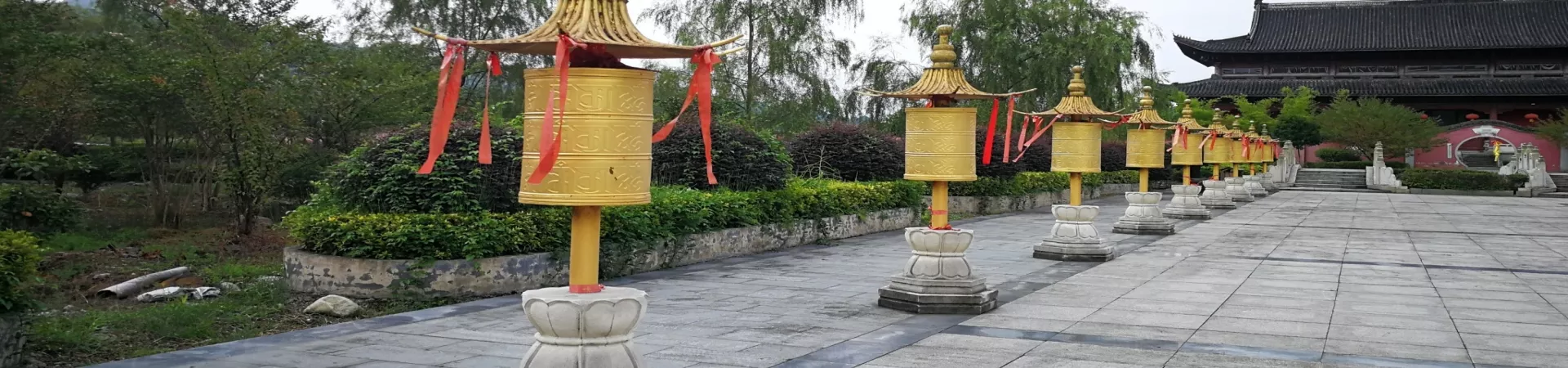
Subtitle: A Sacred Ascent to the Golden Buddha: A Visitor's Guide to the Fanjingshan Buddhist Cultural Complex
Introduction: The Gateway to a Spiritual Realm Nestled at the sacred foothills of the UNESCO World Heritage Site Mount Fanjing in Tongren, Guizhou, the Fanjingshan Buddhist Cultural Complex is far more than a mere tourist attraction. It is a meticulously designed spiritual journey, a physical and symbolic ascent towards enlightenment and awe. This expansive complex serves as the profound cultural and devotional prelude to the mountain itself, blending breathtaking architecture with deep religious significance. It is an essential destination for pilgrims seeking blessings, culture enthusiasts delving into Chinese Buddhist heritage, and travelers in search of serene beauty and architectural marvels.
The Journey Begins: Architectural Harmony and Symbolic Passage 2.1 The Wind-Rain Bridge: An Entry into Tranquility The visitor's experience commences at the traditional Wind-Rain Bridge. This covered bridge, a hallmark of local Dong and Miao ethnic architecture, is more than a functional crossing. It symbolizes the transition from the mundane world into a sacred space. As you walk through its sturdy, wooden structure, often adorned with intricate carvings, the outside world gradually fades, preparing the mind for the spiritual serenity that lies ahead.
2.2 The Lotus Plaza: A Vast Expanse of Serenity Emerging from the bridge, you enter the expansive Lotus Plaza. The lotus flower, a central symbol in Buddhism representing purity and enlightenment rising from the mud, defines this open space. The vast, clean-swept plaza invites contemplation and gathering, offering the first full, majestic view of the complex's central axis leading upwards. It is a place to pause, orient oneself, and absorb the scale and peace of the surroundings before beginning the ascent.
The Sacred Ascent: Walking the Path of Devotion 3.1 The Pilgrimage Stairway: A Step-by-Step Journey From the Lotus Plaza begins the central feature of the approach: the grand ceremonial stairway, or the "Buddha-Worshipping Steps." This long, central staircase is flanked by successive ornate ceremonial archways (pailou) and smaller plazas. Climbing these steps is an integral part of the experience—a deliberate, mindful act of pilgrimage. Each archway passed marks a stage in the spiritual journey, building anticipation and reverence as you ascend physically and metaphorically closer to the divine. The rhythmic climb allows for reflection, with the scenery unfolding and the ultimate destination drawing nearer with every step.
The Apex of Splendor: The Crown Jewel of the Complex 4.1 The Great Golden Buddha Temple: A Vision in Gold and Water Reaching the summit of the complex, you are greeted by a sight of unparalleled grandeur: the Great Golden Buddha Temple (Da Jin Fo Si). This structure is not merely impressive; it is a world-record holder and a unique architectural masterpiece. Majestically situated atop a vast, circular lotus pond, it is acclaimed as the world's only "Golden Hall on Water." The temple appears to float serenely upon the water's surface, its magnificent golden facade perfectly mirrored below, creating a mesmerizing illusion of a celestial palace suspended between heaven and earth. The reflection doubles its splendor, enhancing an atmosphere of profound sacredness and awe-inspiring beauty.
4.2 The Golden Jade Maitreya Buddha: The Heart of the Temple Housed within this resplendent golden hall is the complex's most sacred treasure: the World's Largest Golden Jade Statue of Maitreya Buddha (the Future Buddha). This colossal statue is a feat of artistry and devotion, comprising four distinct sections: * The Golden Body: The main form of the Buddha, radiating compassion and majesty. * The Halo (Buddha's Light): An ornate aureole surrounding the statue, symbolizing divine radiance. * The White Jade Lotus Throne: The Buddha sits upon an exquisite pedestal carved from pristine white jade, representing purity and the lotus seat of enlightenment. * The Sumeru Base: The massive, intricately designed foundation, named after the mythical central mountain of the Buddhist cosmos, representing stability and the foundation of the dharma.
The creation of this statue represents an astonishing dedication of resources, utilizing approximately 250 kilograms of pure gold and inlaid with thousands of precious gemstones, jadite, and diamonds. The result is a dazzling, spiritually potent icon that embodies both material opulence and profound religious significance, drawing countless visitors and devotees into silent reverence.
Practical Information for Your Visit
- Location: At the base of Mount Fanjing (Fanjingshan), Tongren City, Guizhou Province, China.
- Opening Hours: Typically 8:30 AM to 5:00 PM, daily. It is highly advisable to verify these times in advance of your visit, as they may be subject to change due to seasonal adjustments, special religious events, or maintenance.
- Admission Ticket: A separate entrance fee is required for the Buddhist Cultural Complex. Details on pricing, which may vary by season or visitor category (e.g., adults, seniors, children), should be confirmed directly with the scenic area administration.
- Contact: For the most accurate and current information regarding tickets, opening hours, and any special notices, you can contact the景区 (scenic area) at: 0856-6721000.
A Final Note for Travelers A visit to the Fanjingshan Buddhist Cultural Complex is a journey of gradual revelation. It is recommended to allocate sufficient time to move slowly through its stages—from the transitional bridge, across the peaceful plaza, up the contemplative stairway, to the final, breathtaking encounter with the Golden Temple and Buddha. This paced approach allows for full appreciation of both the architectural grandeur and the deep, tranquil spirituality that permeates every corner of this remarkable site.