Cheng'en Temple
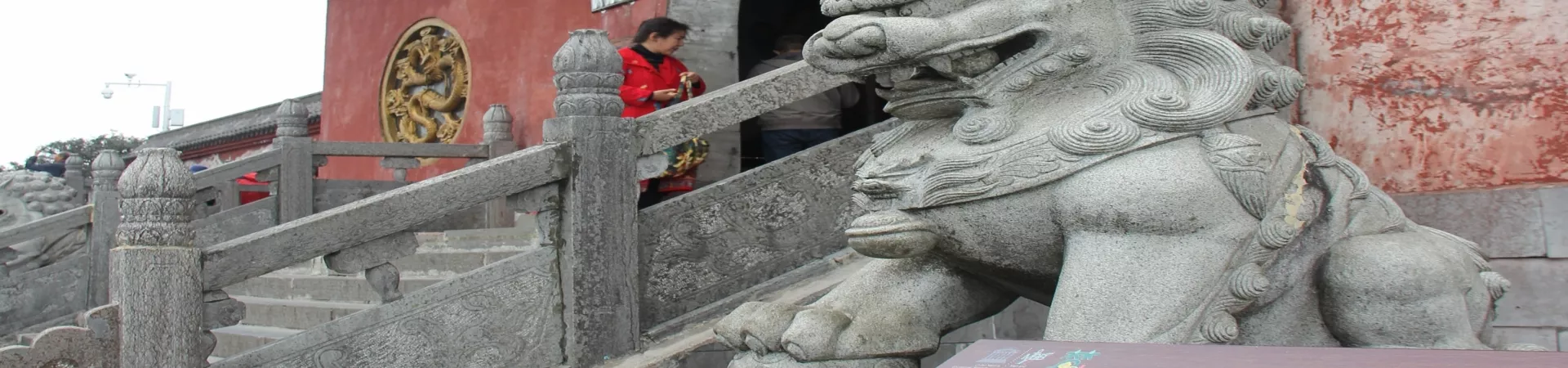
Subtitle: A Ming Dynasty Sanctuary Amidst the Peaks of Fanjingshan
Introduction Nestled on the iconic Golden Summit (Jinding) of the revered Fanjingshan mountain in Tongren, Guizhou, lies the serene and historically significant Cheng'en Temple. More commonly known among locals by its affectionate nickname, "Shangcha Dian" or "Upper Tea Hall," this temple complex offers visitors far more than just panoramic views. It stands as a silent, stoic witness to centuries of Buddhist devotion, imperial patronage, and the relentless passage of time. While partially in ruins, its remaining structures and commanding location tell a compelling story of architectural adaptation, spiritual pursuit, and the harmonious integration of human creation within a sublime natural landscape recognized as a UNESCO World Heritage site. A visit here is a journey into tranquility, history, and the profound cultural heritage of the Wuling mountain region.
Historical Significance & Architectural Layout
Origins and Imperial Connection Cheng'en Temple's foundations are deeply rooted in the early Ming Dynasty (late 14th to early 15th century), a period of significant religious and cultural consolidation in China. The temple's very name, bestowed by imperial decree, speaks to its historical importance. Above the main gate, the faint but enduring characters "敕赐承恩土寺" (Chì Cì Chéng'ēn Tǔ Sì)—meaning "Imperial Bestowal: Cheng'en Earth Temple"—are carved into the stone. This inscription is a direct marker of imperial recognition and support, indicating that the temple was officially sanctioned and likely funded by the Ming court. This connection elevated its status within the Buddhist circuit of the region, making it a key destination for pilgrims and monks.
Structural Composition and Design The temple complex is a study in resilient, minimalist mountain architecture, built to withstand the harsh high-altitude climate. The layout is centered around a main hall, flanked by auxiliary structures, covering a total area of approximately 1,250 square meters.
The Main Hall (Da Xiong Bao Dian): This is the heart of the complex. With a width of 13.7 meters and a depth of 9 meters, its scale is modest yet imposing given its precarious location. The most striking feature is its construction: massive stone walls, 0.5 meters thick, which have braved centuries of wind and weather. Today, these walls stand as remnants, reaching residual heights of around 2 meters, framing the enduring, intact main gate. The hall's design reflects a pragmatic approach, prioritizing endurance and integration with the rocky terrain over ornate decoration.
The Side Halls (Peidian): Originally, eight side chambers flanked the main courtyard, providing space for monastic living, meditation, and ancillary rituals. Unfortunately, the passage of time has been less kind to these structures. Visitors will now find only sections of crumbling stone walls, outlines on the ground that hint at the temple's former expansive footprint. These ruins, however, invite contemplation and imagination, allowing one to mentally reconstruct the daily life of the monks who once resided here.
The Visitor Experience: Practical Information
Location and Access Cheng'en Temple is situated directly to the left (west) of the Golden Summit peak on Fanjingshan. Access is exclusively via the well-maintained hiking trails and stairways that traverse the mountain. The final approach involves a climb, rewarding visitors with the temple ruins positioned dramatically against the backdrop of the summit's extraordinary geological formations. It is an integral stop on the pilgrimage route connecting the Red Clouds Golden Summit with the Old Golden Summit.
Visiting Hours and Seasonal Variations Operating hours are carefully managed to ensure visitor safety in the mountain's variable conditions. * Peak Season (March 1 - October 31): The site is open from 07:00 to 18:00, with last admission at 15:00. The longer daylight hours allow for a more leisurely exploration. * Off-Peak Season (November 1 - February 28/29): Hours are shortened due to colder temperatures and potential ice. Opening hours are 08:00 to 15:00. * Important Note: During national holidays and special periods, operating hours are subject to change. It is highly advisable to verify the schedule with the official Fanjingshan Scenic Area administration before your visit, as adjustments are made based on weather and crowd conditions.
Admission and Ticketing Access to Cheng'en Temple is included within the overall admission ticket to the Fanjingshan National Nature Reserve. There is no separate entrance fee for the temple itself. The mountain ticket covers the cable car systems, shuttle buses, and access to all historical and natural sites, including Cheng'en Temple, the Golden Summits, and the Mushroom Stone. * Ticket Purchase: Tickets should be purchased online in advance through official platforms or at the main visitor center at the mountain's base. Due to daily visitor limits designed to protect the ecosystem, securing tickets ahead of time, especially during weekends and holidays, is crucial. * Consultation: For the most current and precise information regarding ticket prices, purchase procedures, and visitor quotas, always refer directly to the official announcements from the Fanjingshan Scenic Area Management Committee.
Cultural and Spiritual Context
The "Upper Tea Hall" and Pilgrimage The local name "Shangcha Dian" provides a glimpse into the temple's functional role within the sacred geography of Fanjingshan. As a major Buddhist mountain, Fanjingshan has long attracted pilgrims undertaking arduous journeys to its summits. A "tea hall" would have served as a vital resting point—a place for weary travelers to refresh with tea, seek shelter, and prepare spiritually for the final ascent to the Golden Summit. Cheng'en Temple, therefore, was not just a monastery but a crucial sanctuary and waystation on the path to enlightenment.
A Ruin of Contemplation Unlike a fully restored, vibrant temple, Cheng'en Temple in its current state offers a different kind of power. The silence among the ruins, broken only by the wind and distant bells from other temples, fosters deep reflection. Visitors are encouraged to appreciate the beauty of decay and endurance, to touch the cool, weathered stone, and to feel a direct, tactile connection to the Ming Dynasty craftsmen and monks. It stands as a poignant monument to impermanence, a core Buddhist concept, while simultaneously testifying to the lasting human desire to build places of worship in the world's most awe-inspiring settings. Its presence enhances the spiritual atmosphere of Fanjingshan, reminding all who visit of the deep historical layers that underpin this natural wonder.