Tongling Datong Ancient Town Scenic Area
Subtitle: A Journey Through Time: Exploring the Historic Port Town of Datong
Introduction: Where the River Whispers Tales of Old
Nestled on the banks of a tributary of the mighty Yangtze River, Datong Ancient Town in Tongling, Anhui Province, stands as a serene yet eloquent testament to China's rich mercantile and cultural history. Far from the relentless pace of modern cities, Datong offers a sanctuary where time appears to have softened its march. This is not merely a collection of old buildings; it is a living narrative, etched into its cobbled lanes and weathered waterfront, inviting visitors to step into a past where life pulsed to the rhythm of the river. Once a bustling, crowded hub of riverine trade, the town has gracefully transitioned into a destination of quiet contemplation, artistic inspiration, and authentic cultural immersion, perfect for sketching, historical investigation, and connecting with the enduring local way of life.
1. The Historical Heart: From Bustling Port to Preserved Haven
1.1. The Lifeline of the River In ancient and imperial China, when water transport was the primary artery for goods and people, Datong's strategic location made it a vital and thriving port. Its docks were once a cacophony of activity—a place where merchants haggled, sailors unloaded cargo from across the region, and travelers embarked on journeys along the Yangtze's extensive network. This fluvial prosperity shaped the town's very identity, architecture, and community, infusing it with a cosmopolitan spirit drawn from the constant flow of river traffic. The legacy of this era is the foundational layer of Datong's charm, a memory of hustle preserved now in quietude.
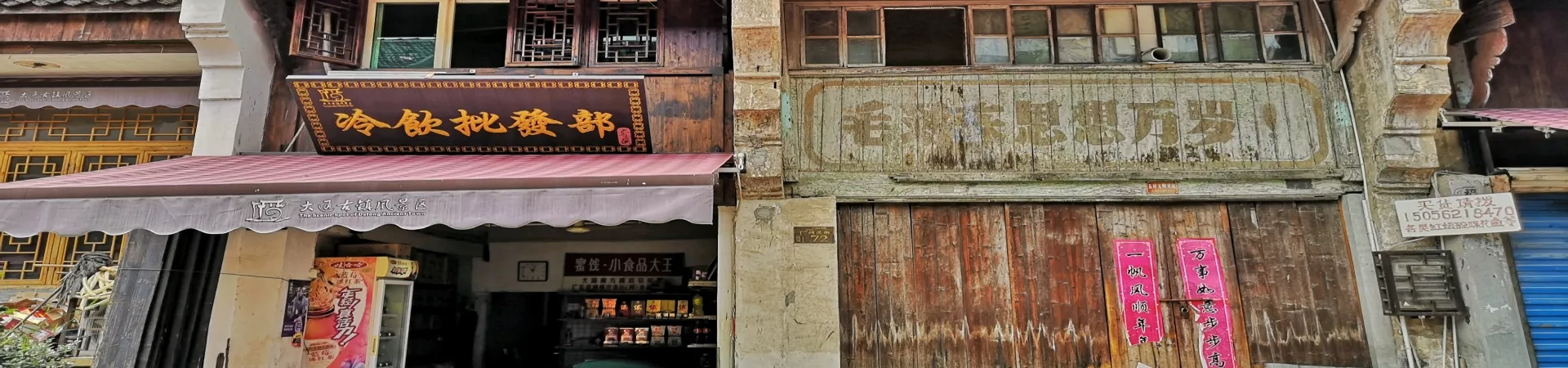
1.2. Architectural Echoes of a Commercial Past Strolling through the town, one can clearly read its history in the built environment. The structures that line the main lanes and riverfront often feature design elements typical of prosperous Qing dynasty and early Republican-era mercantile towns. Look for high walls, elegantly carved wooden eaves, and former shop-fronts that hint at past commerce. These buildings, some meticulously restored and others bearing the dignified patina of age, create a continuous streetscape that feels authentically suspended in time, offering a tangible connection to the lives of the traders and families who once called this port home.
2. The Visitor's Experience: Immersion in Authenticity
2.1. A Canvas for Artists and a Classroom for Historians Datong’s unpretentious beauty and atmospheric quality make it exceptionally suitable for sketching and plein air painting. The play of light on the old tiles, the reflections of ancient buildings in the calm river waters, and the textured faces of stone pathways provide endless compositional inspiration. For those on a古镇考察 (ancient town investigation), Datong serves as an open-air museum. It presents a compelling case study of a traditional Chinese river-port settlement, allowing for the observation of urban layout, architectural adaptation to the waterfront, and the social structures inherent in such communities.
2.2. Connecting with Local Culture and Customs Beyond architecture and history, the true essence of Datong lies in its ongoing, gentle pace of life. This is a place to接触民风民情 (connect with folk customs and local feelings). Visitors might observe residents going about their daily routines, engaging in conversation on doorsteps, or practicing traditional crafts. The atmosphere is one of a working, lived-in古朴村落 (simple, ancient village), not a commercialized stage set. This authenticity provides a rare opportunity for meaningful, quiet observation and respectful interaction, offering a glimpse into a resilient and enduring local culture that has evolved from, but not forgotten, its bustling origins.
3. Essential Practical Information for Planning Your Visit
3.1. Admission and Operating Hours A significant advantage of visiting Datong Ancient Town is its accessibility. Admission to the town is free of charge, allowing visitors to explore its lanes and scenic riverfront at their own pace without constraint.
The site operates with specific hours to manage preservation and visitor flow: * Opening Hours: 08:30 - 17:00 (Daytime Session). * Last Admission: 16:30. * These hours apply year-round, from January 1st to December 31st, Monday through Sunday.
It is always advisable to confirm these times locally before your final travel plans, as occasional adjustments for maintenance or special circumstances may occur.
3.2. Suggested Duration and Contact Details To fully appreciate the ambiance of Datong, wander without rush, and perhaps sit awhile by the river, a visit of 1 to 3 hours is typically recommended. This allows sufficient time to explore the main historic areas, absorb the environment, and take photographs.
For direct inquiries, you can contact the scenic area management at: 0562-2897666.
4. The Enduring Atmosphere: A Reflection
The magic of Datong Ancient Town is cumulative. It is found in the silence that now rests where dockworkers once shouted, in the gentle lapping of water against stone where hulls once bumped, and in the warm, weathered wood of a doorway that has witnessed generations. It represents a different chapter of Chinese heritage—one of river-borne exchange, communal resilience, and simple, rooted beauty. A visit here is less about checking off landmarks and more about allowing the layered history and present-day tranquility to settle upon you, offering a profound sense of place and a peaceful respite from the modern world.