Qishan Hanwu Cultural Ecological Park
Subtitle: A Journey Through Imperial Ambition and Natural Harmony
1. Introduction: Where History Meets Landscape Nestled in Zongyang County, Tongling City, Anhui Province, the Qishan Hanwu Cultural and Ecological Park stands as a profound testament to China's illustrious Han Dynasty, seamlessly woven into a vast and serene natural canvas. As a nationally recognized AAAA-level tourist attraction, this 1,200-acre (over 80 hectares) park is far more than a simple scenic spot; it is a meticulously crafted experience where the monumental spirit of Emperor Wu of Han converges with the tranquil beauty of lakes, forests, and mountains. Located at Yintang Road in Zongyang Town, the park offers visitors a unique opportunity to step back in time while immersing themselves in an environment designed for contemplation and discovery, making it a distinctive destination for history enthusiasts, nature lovers, and families alike.
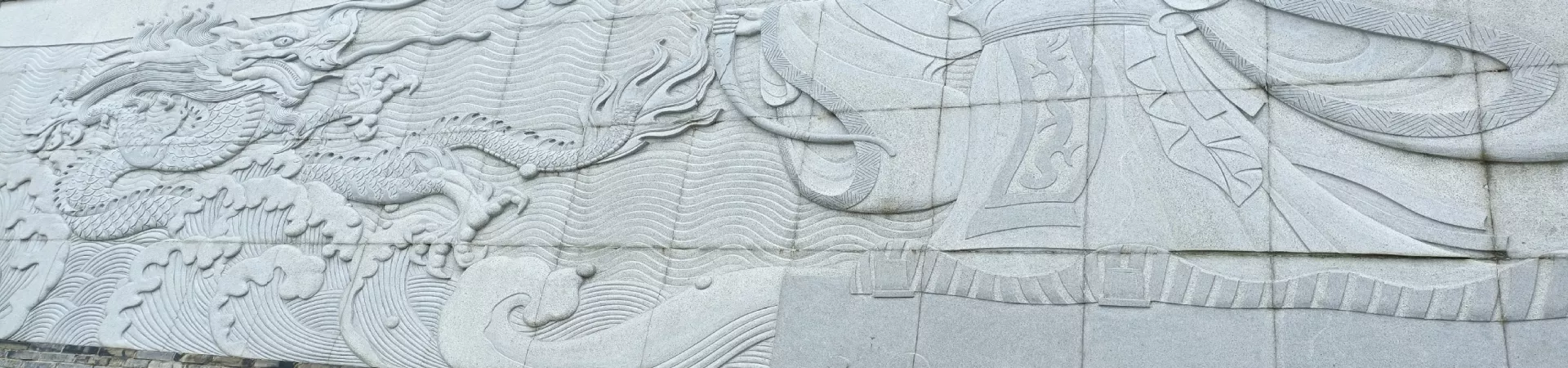
2. Exploring the Thematic Core: The Legacy of Hanwu 2.1. The Imperial Vision The park's central theme orbits around Emperor Wu (Han Wudi), one of the most influential rulers in Chinese history, renowned for his military expansion, administrative reforms, and promotion of Confucianism. The design and architecture throughout the park are imbued with symbols and narratives from his reign. Grand statues, ceremonial plazas, and inscribed steles evoke the power and sophistication of the Han Dynasty, allowing visitors to grasp the scale of imperial ambition that once shaped the nation.
2.2. Architectural and Cultural Highlights Scattered across the grounds are various structures and exhibits that bring this historical period to life. 2.2.1. Monumental Sculptures and Plazas: The park features impressive bronze and stone sculptures depicting Emperor Wu, his court, and significant cultural motifs. Expansive plazas, such as a main ceremonial square, are designed for cultural performances and re-enactments, often hosting events that showcase Han-era music, dance, and rituals. 2.2.2. The Han Culture Exhibition Hall: This indoor facility serves as the scholarly heart of the park. It houses a collection of artifacts, detailed historical panels, and multimedia presentations that delve into the politics, daily life, artistic achievements, and technological advancements of the Han Dynasty, providing crucial context to the outdoor landscapes. 2.2.3. Reconstructed Pavilions and Corridors: Traditional Han-style architecture, characterized by graceful upturned eaves, wooden pillars, and intricate painted beams, is employed in rest pavilions, viewing towers, and winding corridors. These structures not only offer shade and rest points but also enhance the immersive historical atmosphere.
3. Immersion in the Ecological Tapestry 3.1. The Natural Foundation: Qishan and Beyond The "Qishan" (Flag Mountain) itself forms the park's majestic backbone. Well-maintained hiking trails of varying difficulty wind up the slopes, leading to vantage points that offer breathtaking panoramic views of the surrounding countryside, the winding rivers, and the park itself. The integration of the mountain is central to the park's philosophy, emphasizing a harmony between human history and the enduring natural world.
3.2. Lakes, Gardens, and Flora 3.2.1. Water Features: Serene artificial lakes and ponds mirror the sky and surrounding greenery. These are often crossed by elegant stone bridges or dotted with lotus flowers in season, creating picturesque scenes ideal for photography and quiet reflection. The water elements contribute to a rich ecosystem and a palpable sense of calm. 3.2.2. Landscape Gardening: The park is a masterpiece of landscape design, incorporating classical Chinese gardening principles. Carefully curated plantings ensure year-round interest, with blossoming plum and peach trees in spring, lush lotus in summer, vibrant maple leaves in autumn, and serene evergreen pines in winter. The gardens are designed to frame vistas, create intimate spaces, and symbolize various philosophical concepts related to longevity and resilience.
4. Practical Information for the Visitor 4.1. Accessibility and Opening Hours The park is easily accessible by road from Tongling city center and is a straightforward drive or taxi ride. Its address is Yintang Road, Zongyang Town, Zongyang County. Notably, the park operates with generous hours, open all day, every day of the year (Monday through Sunday, from January 1st to December 31st). This "all-day" policy provides maximum flexibility for visitors to plan their trip, whether they prefer a full day of exploration, a morning hike, or a peaceful evening stroll.
4.2. Suggested Activities and Experience A visit can be tailored to different interests. A comprehensive tour might start with the Han Culture Exhibition Hall for historical grounding, followed by a leisurely walk through the themed gardens and around the lakes. The more active can embark on a hike up Qishan for rewarding views. Throughout the year, the park's calendar may include special festivals, lantern shows, or historical re-enactments, particularly during national holidays. It is an ideal setting for educational trips, family picnics, or simply a restorative escape from urban life.
4.3. Visitor Notes Given the park's extensive area, comfortable walking shoes are essential. While basic amenities are available, visitors may wish to bring water and snacks, especially if planning to hike. The all-day opening allows for visits during the softer light of early morning or late afternoon, which is often the most pleasant and photogenic time. As with many cultural sites in China, checking for any local updates or specific event schedules before your visit is always advisable.
Information last updated: November 16, 2022. Credit is extended to contributor Dala Ma's Claw for their collaborative input.