Xiangya (Elephant Tusk) Mountain
Subtitle: A Visitor's Guide to China's Tieling Ivory Mountain: Practical Information and Travel Insights
Introduction to Tieling and Ivory Mountain
Nestled in the northeastern province of Liaoning, China, the city of Tieling offers a distinctive blend of historical significance and natural beauty, serving as a gateway to the region's lesser-known treasures. Among these, Ivory Mountain (象牙山, Xiàngyá Shān) stands out not merely as a geographical feature but as a cultural phenomenon. While its natural landscapes provide a serene escape, the mountain's claim to fame in contemporary Chinese culture stems from its role as the primary filming location for the immensely popular rural-themed television series, "Country Love Story" (《乡村爱情》). This series has profoundly shaped the mountain's identity, transforming it from a local scenic area into a pilgrimage site for fans seeking to walk in the footsteps of their beloved characters. Consequently, a visit to Ivory Mountain today is a unique hybrid experience, intertwining straightforward outdoor recreation with an engaging, living tribute to a slice of modern Chinese pop culture.
Planning Your Visit: Admission and Operating Hours
1. Ticket Information Prospective visitors should note that access to the Ivory Mountain scenic area requires the purchase of an admission ticket. The standard gate price is set at 50.0 Chinese Yuan (CNY). It is always advisable to check for any updates on pricing through official channels or local tourism websites before your visit, as fees can be subject to change during holiday seasons or for special events. While on-site ticket purchase is straightforward, travelers should be prepared for potential queues during peak tourist seasons, such as national holidays and summer weekends.
2. Operating Schedule One of the most convenient aspects of visiting Ivory Mountain is its highly accessible operating schedule. The scenic area is open daily throughout the year, from January 1st to December 31st. More importantly, it operates on an "All Day" (全天) basis. This round-the-clock access provides exceptional flexibility for travelers. You can plan a sunrise hike to enjoy the morning mist over the countryside, a full day of exploration, or even an evening stroll. This policy is particularly advantageous for photographers aiming to capture the golden hour light or for visitors who prefer to avoid the larger crowds typically found during midday hours.
Experiencing Ivory Mountain: Key Attractions and Activities
1. The "Country Love Story" Film Set Exploration The heart of the Ivory Mountain experience for many is the meticulously preserved film set. This area recreates the fictional "Ivory Mountain Village" from the television series.
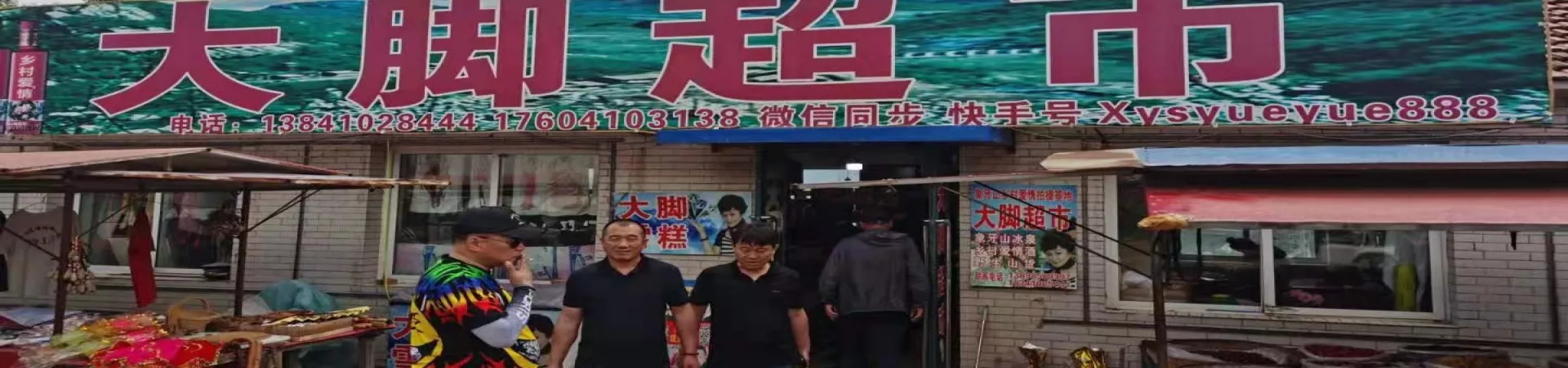
- Iconic Locations: Visitors can explore recognizable settings such as Xie Guangkun's grocery store, the village committee office, and the homes of central characters like Chang Gui and Wang Xiaomeng. These structures are not mere facades but are often furnished and arranged to mirror their on-screen appearances, creating an immersive environment.
- Cultural Engagement: The set allows fans to engage directly with the cultural touchstone that the series represents. It's a chance to understand the show's depiction of rural life, humor, and social dynamics in contemporary Northeast China. Local vendors around the set often sell themed souvenirs, adding to the festive atmosphere.
2. Natural Landscapes and Hiking Trails Beyond the film set, Ivory Mountain itself offers pleasant natural scenery characteristic of the Liaoning landscape.
- Trail Networks: Well-marked trails of varying difficulty wind through the area. These paths lead visitors through wooded areas, past unique rock formations that give the mountain its "ivory" name, and up to modest vantage points.
- Seasonal Beauty: Each season paints the mountain in a different palette. Spring brings fresh greenery and blossoms, summer offers lush, dense foliage, autumn is spectacular with its fiery hues of red and gold, and winter covers the landscape in a quiet, pristine blanket of snow, offering a starkly beautiful and peaceful experience.
3. Local Culture and Culinary Encounters A trip to Ivory Mountain is incomplete without sampling the local flavors. The influence of Dongbei (Northeastern Chinese) cuisine is strong here.
- Rural Restaurants and Eateries: Numerous family-run restaurants near the scenic area serve hearty, authentic dishes. Specialties often include iron pot stews (贴饼子炖菜), braised pork with vermicelli (猪肉炖粉条), and various pickled vegetable dishes. Dining in these rustic settings enhances the authentic rural experience.
- Interaction with Locals: The local community has embraced tourism with warmth. Engaging with residents and shop owners can provide genuine insights into the area's real-life culture, beyond its televised portrayal.
Practical Travel Considerations and Tips
1. Getting to Ivory Mountain Ivory Mountain is located within the Tieling administrative area. The most common base for travelers is the city of Tieling itself or the larger metropolis of Shenyang, which is approximately a two-hour drive away.
- From Shenyang: Visitors can take a long-distance bus or hire a private car/taxi from Shenyang to Tieling's Kaiyuan City district, followed by a local taxi or minibus to the mountain. Self-driving offers the most flexibility.
- Local Transportation: Upon arriving in the vicinity, local taxis or arranged tour vehicles are the most practical means to reach the mountain entrance.
2. Recommended Itinerary and Time Allocation To fully appreciate both the cultural and natural offerings, a dedicated day trip is recommended.
- Morning: Arrive early to purchase tickets and begin with a hike on the natural trails while the air is cool and fresh.
- Midday to Afternoon: Explore the "Country Love Story" film set in depth, have lunch at a local restaurant, and perhaps participate in any interactive activities or photo opportunities available on-site.
- Flexibility: The "all day" opening allows you to adjust this schedule. You could reverse it, exploring the set first and taking a leisurely late-afternoon walk on the trails.
3. What to Bring and Wear Given the outdoor nature of the attraction, comfort and preparation are key.
- Footwear: Sturdy, comfortable walking or hiking shoes are essential for navigating the sometimes uneven paths.
- Attire: Dress in layers according to the season. Summers can be warm and humid, while winters are notoriously cold and dry in Northeast China.
- Supplies: Carry bottled water and sun protection (hat, sunscreen) in summer. Having some cash (Chinese Yuan) is useful for smaller vendors, ticket purchases, and local transportation, although digital payments are widely accepted.