Rural Love Shooting Base
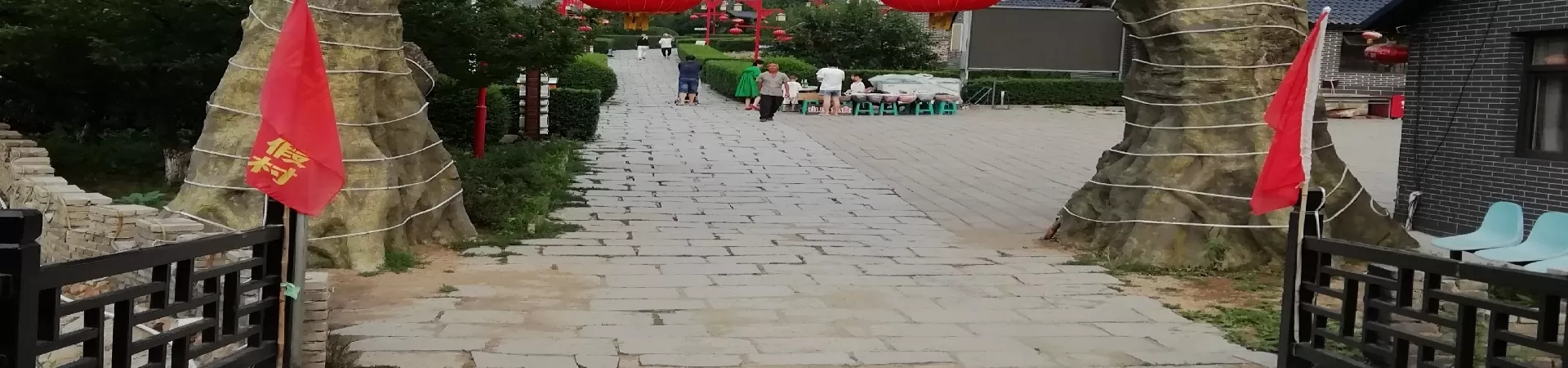
Subtitle: Step into the World of Rural Love: Your Guide to Tieling's Iconic TV Series Filming Location
Introduction: More Than Just a Set
Nestled within the rolling landscapes of Tieling City in Liaoning Province, China, lies a unique destination that transcends the typical film studio tour. The Rural Love Shooting Base is not merely a collection of sets and props; it is a living, breathing portal into the heart of contemporary rural Northeast China, immortalized by the nation's most beloved and longest-running television series, Rural Love Story (乡村爱情). This sprawling base offers visitors an unparalleled opportunity to walk in the footsteps of their favorite characters, experience the authentic Shanxi (东北) culture, and immerse themselves in the humorous, heartwarming, and vividly real world that has captivated audiences for over a decade. It is a place where fiction and reality seamlessly blend, celebrating the spirit, resilience, and daily life of China's countryside.
Section 1: Exploring the Heart of "Ivory Village"
1.1. Iconic Locations and Character Homes The core of the filming base is a meticulous recreation of "Ivory Village" (象牙村), the central setting of the series. Visitors can explore the village square, a hub of community gossip and activity in the show, and step inside the actual homes of key characters. Walk through the courtyard of the ambitious Xie Guangkun, admire the traditional setup of Zhao Si's humble abode, or visit the ever-busy Dajiao Damu supermarket. Each building is furnished with props used during filming, from kitchen utensils to decorative items, creating an uncanny sense of having stepped directly into a television episode. The attention to detail allows fans to connect with the series on a profoundly personal level.
1.2. Cultural Immersion and Thematic Exhibits Beyond the residential sets, the base functions as a cultural museum of Northeast Chinese rural life. Several buildings are dedicated to showcasing the agricultural tools, traditional crafts, and household items typical of the region. Exhibits often explain their historical and practical significance, providing context to the lifestyle depicted in Rural Love. You might see displays on soybean processing, traditional kang (heated brick beds) construction, or folk art. This layer transforms the visit from pure entertainment into an educational experience, deepening the understanding of the cultural backdrop against which the series' comedic and dramatic stories unfold.
Section 2: Activities and Interactive Experiences
2.1. Dressing Up and Role-Playing One of the most popular activities is the chance for visitors to become part of the story. Costume rental stations offer a wide array of typical rural Northeastern attire—padded jackets, floral-patterned shirts, and distinctive hats—allowing guests to dress like the characters. You can pose for photographs in front of Xie Yongqiang's office, on Liu Neng's jeep, or by the iconic village signboard. This interactive element adds a layer of fun and memorable engagement, especially for families and groups.
2.2. Culinary Delights: Taste of the Northeast No immersion into Shanxi culture is complete without sampling its hearty and flavorful cuisine. The filming base features several restaurants and food stalls that serve authentic Northeastern dishes. Specialties you can enjoy include Tielegun Dumplings (铁岭熏肉大饼), a local Tieling delicacy, savory Guo Bao Rou (sweet and sour pork), robust stews, and freshly made bean curd. Dining here is not just about sustenance; it's about tasting the same flavors that define the characters' daily lives and community gatherings in the series.
Section 3: Practical Information for Your Visit
3.1. Location and Accessibility The Rural Love Shooting Base is located in the outskirts of Tieling City, which is approximately an hour's drive north of Shenyang, the provincial capital of Liaoning. Visitors can reach Tieling via high-speed rail or long-distance bus from Shenyang and then take a local taxi or a dedicated tourist bus to the site. The journey through the Liaoning countryside itself sets the stage for the authentic rural experience that awaits.
3.2. Opening Hours and Best Time to Visit The base operates with highly accessible hours, welcoming visitors all day, every day, throughout the year (Monday through Sunday, from January 1st to December 31st). This flexibility allows for easy trip planning. While each season offers a different charm—lush greenery in summer, golden harvest tones in autumn, a serene snowy landscape in winter—weekdays typically see fewer crowds than weekends and public holidays.
3.3. Ticketing and Contact Details Admission tickets can be purchased at the entrance. It is advisable to check for any combined tickets that might include access to specific interactive experiences or shows. For the most current information on ticket prices, special events, or group bookings, visitors can contact the base directly at 024-73898888.
Section 4: The Lasting Appeal and Broader Significance
4.1. A Testament to Popular Culture and Regional Identity The enduring popularity of the Rural Love Shooting Base highlights the powerful connection between media and place. The series has played a significant role in shaping perceptions of Northeast China's rural communities, showcasing their warmth, entrepreneurial spirit, and modern evolution with humor and affection. The base, therefore, stands as a physical testament to this cultural phenomenon, preserving the tangible elements of a story that has become part of China's modern cultural fabric.
4.2. Beyond the Show: Appreciating Rural Revitalization A visit to the base also offers a glimpse into China's ongoing rural revitalization efforts. The area surrounding Tieling represents the dynamic changes in the countryside—improved infrastructure, thriving agri-tourism, and the preservation of cultural heritage alongside economic development. The filming base itself is a successful example of how cultural IP (Intellectual Property) can drive tourism and create sustainable economic opportunities for a region, fostering a new appreciation for rural life among urban visitors.