Food Street (Mao'er Lane)
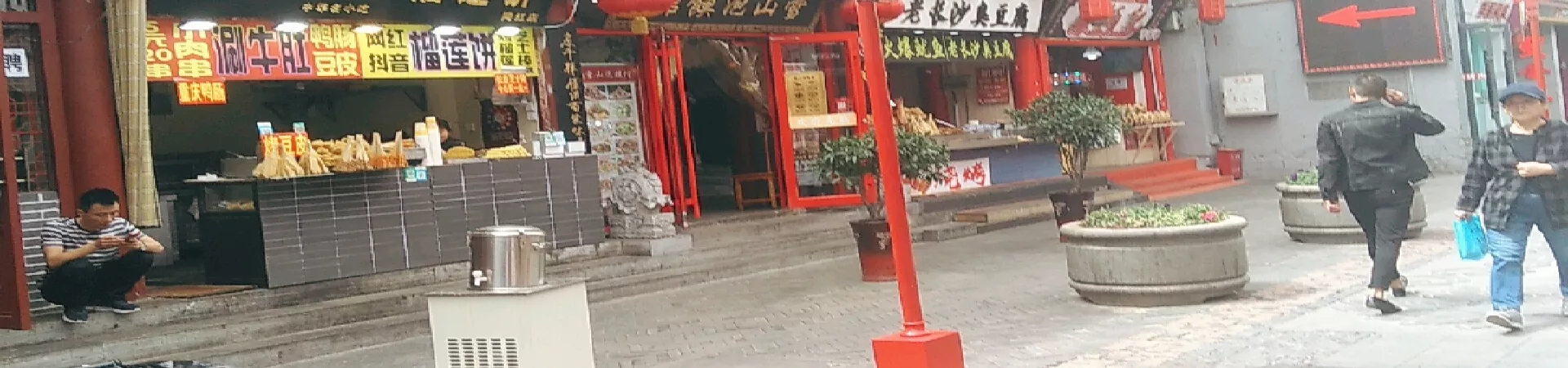
Subtitle: A Culinary and Cultural Journey Through Taiyuan's Historic Food Street
1. Introduction: The Heartbeat of Taiyuan's Old City Nestled in the bustling center of Taiyuan, the capital of Shanxi Province, lies Mao'er Xiang, more popularly known as the Food Street. This iconic pedestrian lane is far more than a simple collection of eateries; it is a vibrant artery of the city, pulsating with centuries of history, rich cultural heritage, and an irresistible array of flavors. Stretching approximately 600 meters, it connects the bustling Zhongxiao Road in the south to the historic Fuqiao Street in the north, serving as a living museum and a gastronomic paradise. For any visitor to Taiyuan, a stroll down Food Street is an essential experience, offering a profound taste of Jin culture—the ancient name for the Shanxi region—through its architecture, atmosphere, and, most importantly, its food.
2. A Stroll Through History: Architecture and Ambiance 2.1. Architectural Tapestry of Ming and Qing The first striking feature of Mao'er Xiang is its architectural unity. The street is meticulously lined with buildings styled after the Ming (1368-1644) and Qing (1644-1912) dynasties, characterized by their elegant upturned eaves, intricate wooden lattices, and traditional grey brick facades. This conscious preservation creates a timeless backdrop, transporting visitors to an ancient market street. Red lanterns sway gently above, casting a warm glow in the evening, while traditional shop signs, often inscribed with golden calligraphy, adorn every doorway. The harmonious blend of these elements fosters an immersive historical atmosphere that is both visually captivating and deeply authentic.
2.2. The Evolution from "Mao'er Xiang" to Food Street The lane's name, "Mao'er Xiang" (Hat Lane), hints at its mercantile past, where it was once a thriving hub for hat makers and traders. As urban life evolved, so did the street's character. It gradually transformed into a dedicated culinary destination, earning its current moniker. Today, while the historical facade remains, the interior of these ancient buildings buzzes with modern culinary energy. This seamless fusion of the old and the new is central to its charm—where one can admire centuries-old architectural craftsmanship while savoring contemporary interpretations of classic dishes.
3. The Culinary Crown: A Symphony of Shanxi Flavors The true soul of Food Street resides in its astounding variety of local snacks and specialties. It is the ultimate showcase for Shanxi cuisine, renowned for its hearty wheat-based dishes, bold use of vinegar, and satisfying flavors.
3.1. The Noodle Kingdom 3.1.1. Daoxiaomian: The Art of the Knife Shanxi is famed as the "Land of Noodles," and Food Street is its throne room. The undisputed star here is Daoxiaomian (Knife-Shaved Noodles). Witnessing its preparation is a performance in itself: a skilled chef holds a block of firm dough and, with a special curved blade, rapidly shaves thin, leaf-shaped noodles directly into a boiling pot. The resulting noodles are perfectly chewy, with uneven edges that expertly hold onto sauces. Served in a rich broth, often with braised meat or a tomato-egg topping, it is a textural and flavorful masterpiece.
3.1.2. Youmian Kaolao: A Unique Steamed Delicacy Another must-try is Youmian Kaolao, a distinctive steamed dish made from oat flour. The batter is pressed through a special press into a steamer, forming delicate, honeycomb-like strands. It is typically served with a savory or slightly spicy dipping sauce made from vinegar, garlic, and chili oil. Its light, spongy texture and ability to absorb flavors make it a unique and beloved local staple.
3.2. Beyond Noodles: Street Food Treasures 3.2.1. Roujiamo: The Chinese Burger While originating from Shaanxi, the Roujiamo (Stewed Meat Burger) has found a beloved home here. Flaky, baked flatbread is stuffed to overflowing with tender, fragrant stewed pork that has been cooked for hours with a medley of spices. The contrast between the crispy bread and the succulent, melt-in-your-mouth meat is utterly satisfying.
3.2.2. Liangfen: A Refreshing Cold Treat For a lighter option, Liangfen (Cold Mung Bean Starch Jelly) is a popular choice, especially in warmer months. The translucent, jelly-like noodles are chilled and served with a pungent and refreshing sauce based on Shanxi's famous aged vinegar, mixed with garlic, sesame paste, and chili oil. It is cool, tangy, and incredibly addictive.
3.2.3. Sweet Conclusions: Taiyuan Tusi and Malaobing Do not miss the local sweets. Taiyuan Tusi is a crispy, flaky pastry with a sweet filling, often shaped like a date. Malaobing, or "Fried Cake," is a deep-fried dough cake, crispy on the outside and soft inside, subtly sweetened. They provide the perfect finale to a culinary exploration.
4. The Complete Experience: More Than Just Food 4.1. Cultural Artifacts and Souvenirs Interspersed among the food stalls are shops selling local handicrafts and specialties. Visitors can find exquisite Shanxi vinegar (a point of provincial pride), packaged snacks, traditional paper-cuts, and other souvenirs. These shops offer a chance to take a piece of Jin culture home.
4.2. Vibrant Atmosphere and Timing The atmosphere on Food Street shifts beautifully with the time of day. Afternoons are ideal for a more leisurely exploration, admiring the architecture. As evening falls, the street truly comes alive. The lanterns glow brighter, the sizzle of woks and the calls of vendors fill the air, and the crowds grow, creating an electrifying and festive energy. The bustling night scene is an integral part of the experience.
4.3. A Living Cultural Hub Ultimately, Mao'er Xiang Food Street is a dynamic cultural hub. It is where locals gather for a quick, delicious bite, where families introduce younger generations to their culinary heritage, and where visitors from around the world can engage directly with the soul of Taiyuan. It represents a successful model of cultural preservation, where history is not just displayed but actively lived and tasted. Every bowl of noodles, every bite of pastry, and every step on its ancient stones tells a story of a city deeply connected to its past and enthusiastically sharing it with the present.