Zhouzhuang Town
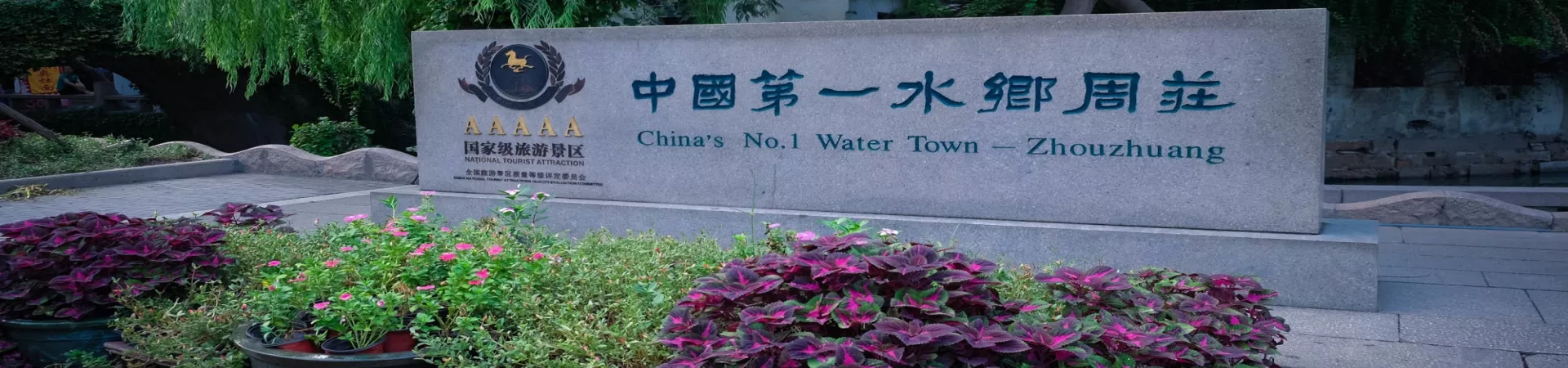
Zhouzhuang: An Ancient Water Town Where Time Stands Still
Nestled in the heart of the Jiangnan region, just a short distance from the bustling metropolis of Shanghai and the garden city of Suzhou, lies Zhouzhuang, an ancient water town that has captivated visitors for centuries. Often hailed as the "Number One Water Town in China," Zhouzhuang is not merely a tourist destination; it is a living museum, a serene canvas where the essence of traditional Chinese water-town life has been preserved with remarkable authenticity. Its labyrinth of canals, ancient stone bridges, and well-preserved Ming and Qing dynasty architecture offer a tranquil escape and a profound journey into the past.
A Tapestry of History and Culture
The true soul of Zhouzhuang resides in its historical landmarks, each telling a unique story of commerce, art, and daily life from bygone eras.
- Shen House and Zhang House: These two magnificent residential complexes are the undisputed highlights of any visit. Shen House, built by the descendant of a wealthy businessman in the Qing Dynasty, is a sprawling estate showcasing the opulent lifestyle of the era. With over 100 rooms arranged around courtyards and sitting directly on the water, its architecture exemplifies sophistication. Zhang House, slightly older and featuring a distinctive "water gate" that allowed boats to enter the front courtyard, offers a fascinating glimpse into the ingenious integration of daily life with the aquatic environment.
- Milou (Mystic Tower): This unassuming waterside teahouse holds significant historical importance. In the early 20th century, it served as a secret meeting place for intellectuals and poets, including the famous Liu Yazi, who discussed literature and politics. Its simple charm stands in contrast to the grand mansions, representing the town's intellectual heritage.
- Ye Chucang Former Residence: The home of a renowned modern journalist and poet, this residence reflects a more scholarly and refined aesthetic. It provides insight into the life of China's literati during a period of great social change.
- Chengxu Taoist Temple and Quanfu Temple: Adding spiritual depth to the town, these religious sites have served the community for generations. Chengxu Taoist Temple, with its serene atmosphere, and Quanfu Temple, an expansive Buddhist complex built over water, offer places for quiet contemplation amidst the tourist activity.
The Enchanting Waterways and Ancient Bridges
The defining feature of Zhouzhuang is its intricate network of canals, which function as the town's ancient streets.
- The Gondola Experience: There is no more authentic way to explore Zhouzhuang than by taking a ride on a traditional wooden gondola, poled by local boatwomen who often sing folk songs. Gliding silently through the narrow waterways, passing under low bridges and alongside centuries-old houses, provides a perspective and a sense of peace that walking cannot match. The gentle rocking of the boat and the soft lapping of water against stone create a truly magical and romantic atmosphere.
- A Gallery of Stone Bridges: Zhouzhuang is a paradise for bridge enthusiasts. The town is crisscrossed by stone bridges built during the Yuan, Ming, and Qing dynasties, each with its own character. The most famous are the twin bridges, Shuangqiao (Double Bridge). Composed of a stone arch bridge and a stone beam bridge intersecting at a right angle, they form a picturesque scene that has become the iconic symbol of Zhouzhuang. The view from these bridges, with old houses reflected in the green water below, is the quintessential water-town postcard moment. Other notable bridges like Fu'an Bridge and Zhenfeng Bridge further contribute to the town's timeless charm, connecting not just pathways, but also centuries of history.
Essential Information for Your Visit
To ensure a smooth and enjoyable trip to Zhouzhuang, here are the key practical details.
- Ticket Information:
- Full Ticket: 100 RMB (covers admission to most scenic spots within the ancient town).
- Concessions: Discounted tickets are available for children between 6 and 18 years old, and seniors aged 60 to 69. Valid identification is required.
- Free Admission: The following visitors, upon presenting valid ID, can enter free of charge: children 6 or under or under 1.4 meters in height; seniors aged 70 and above; individuals with disabilities (plus one companion); active and retired military personnel; tour guides and bus drivers with proper credentials; accredited journalists; and recipients of certain national and provincial honors (e.g., national blood donation awards). Please check the official website for the most current and detailed list.
- Opening Hours: The ancient town is open daily from 7:30 AM to 9:00 PM. The ambiance differs dramatically between day and night. Daytime offers bustling markets and clear views of architecture, while evening brings illuminated bridges and canals, creating a dreamlike setting. Many museums and historic houses inside may close slightly earlier, typically around 5:00 PM.
- Getting There:
- From Shanghai: The most convenient way is to take a direct tourist coach or long-distance bus from stations like the Shanghai Long-Distance Bus East Station. The journey takes approximately 1.5 to 2 hours.
- From Suzhou or Kunshan: Regular public bus services are available. From Kunshan city, you can take bus routes 260 or 263 and alight at the Zhouzhuang Hospital (Zhouzhuang Weishengyuan) stop. From there, it's about a 5-minute walk to the main entrance.
- Suggested Duration: A full day (8-10 hours) is ideal to fully appreciate Zhouzhuang. This allows time to wander the alleyways, visit the key historical houses, enjoy a gondola ride, savor local delicacies like Wansan Pork Trotter, and experience the transition from daytime vibrancy to evening serenity. Overnight stays in traditional waterside inns are highly recommended for a more immersive experience.
A Living Cultural Heritage
Beyond the landmarks and practicalities, the magic of Zhouzhuang lies in its everyday scenes: locals washing vegetables by the canal, elderly residents playing chess in a shaded corner, the aroma of local snacks wafting from street stalls, and the gentle rhythm of life that flows as steadily as its waterways. It is a place where history is not locked away but is part of the fabric of daily existence, inviting every visitor to slow down, wander without a strict agenda, and lose themselves in the timeless beauty of China's premier water town.