Qili Mountain Pond
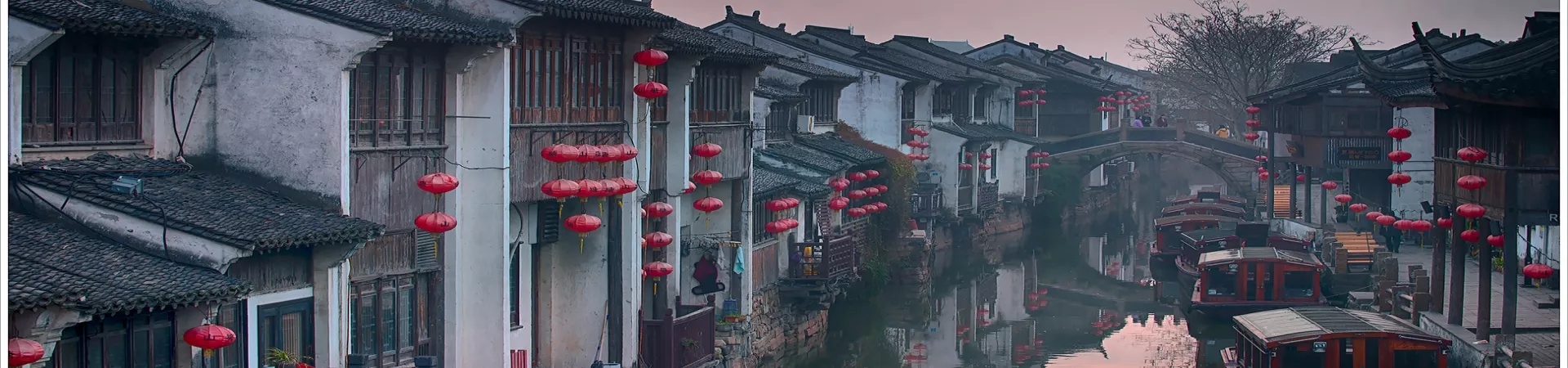
Subtitle: A Journey Through Time Along Suzhou's Ancient Canals
Introduction: The Soul of Old Suzhou
Nestled in the heart of Suzhou, a city synonymous with classical Chinese gardens and intricate waterways, lies the Qili Shantang Scenic Area, more affectionately known as Shantang Street. This is not merely a tourist attraction; it is a living artery connecting Suzhou's glorious past to its vibrant present. Stretching approximately seven li (3.5 kilometers) from the ancient Changmen Gate in the east to the majestic Tiger Hill in the west, this historic canal street has been the backdrop to over a millennium of Suzhou's history, commerce, and culture. To walk along Shantang Street is to step directly into a scroll painting of Jiangnan (the region south of the Yangtze River), where every bridge, every waterside house, and every stone-paved lane tells a story.
1. A Legacy Carved by a Poet: The History of Shantang
1.1. The Vision of Bai Juyi The very existence of Shantang Street is a testament to visionary urban planning from the Tang Dynasty. In 825 AD, the renowned poet Bai Juyi served as the Prefect of Suzhou. Confronted with persistent flooding and difficult transportation between the bustling city center and the popular Tiger Hill, he commissioned a monumental public works project. He organized the excavation of a new canal and the piling of the excavated earth to form a sturdy embankment road. This dual-purpose project, known as "Shantang," effectively managed water resources and created a vital transport link. Over 1,100 years later, the street still follows the contours of his original design, making it one of China's oldest and most well-preserved urban thoroughfares.
1.2. From Ming-Qing Prosperity to "The First Ancient Street" Shantang Street reached its zenith during the Ming and Qing dynasties, evolving into one of the most prosperous commercial and cultural hubs in China. The Changmen Gate area was famously described in the classic novel Dream of the Red Chamber as "the wealthiest and most fashionable district in the world of red dust." Shantang Street, extending from this hub, became the essential corridor for goods and people. Its wharves were constantly abuzz with merchant ships, and its shops overflowed with silk, tea, jade, and other luxuries. This unparalleled prosperity earned it titles like "The First Ancient Street in China," "the microcosm of old Suzhou," and "a window into Wu culture." It was the definitive representation of Suzhou's economic might and refined aesthetic.
2. Experiencing Shantang: A Tapestry of Sights and Sounds
2.1. Architectural Poetry: Bridges, Canals, and Alleyways The street's layout is a masterpiece of Jiangnan water-town planning. The narrow canal, green with reflections, is spanned by a series of elegant stone arch bridges, each with its own character. The most famous among them is the Tonggui Bridge. Lining the waterway are traditional whitewashed houses with black-tiled roofs, their foundations seemingly rising directly from the water. Delicate wooden balconies and hanging red lanterns complete the picturesque scene. Wandering into the side alleys reveals a quieter, more residential side of life, where the rhythm is slower and the historical atmosphere even more palpable.
2.2. The Cultural Pulse: Teahouses, Kunqu, and Pingtan Beyond its physical beauty, Shantang is a sanctuary for Suzhou's intangible cultural heritage. To truly understand it, one must pause and listen. Traditional teahouses are scattered along the street, inviting visitors to rest their feet. Here, over a cup of fragrant Biluochun tea, you can immerse yourself in the soft, melodic storytelling of Suzhou Pingtan (ballad singing and storytelling), a UNESCO-recognized art form. The sounds of the pipa (lute) and sanxian (three-stringed instrument) weave tales of ancient heroes and romance. On occasion, you might also catch the hauntingly beautiful melodies of Kunqu Opera, another UNESCO Masterpiece of the Oral and Intangible Heritage of Humanity, which originated in the Suzhou region.
2.3. Day and Night: Two Distinct Atmospheres Shantang offers two profoundly different experiences by day and by night. During daylight hours, the street is lively and explorative. Visitors can browse quaint shops selling silk scarves, sandalwood fans, and Suzhou embroidery, or sample local snacks like sweet zongzi (glutinous rice dumplings) and savory braised pork. As dusk falls, magic descends. The red lanterns are lit, casting a warm, golden glow on the dark water. The illuminated bridges and buildings create stunning reflections, transforming the area into a photographer's paradise. The nighttime ambiance is one of serene enchantment, perfect for a leisurely stroll or a quiet moment by the canal.
3. Practical Information for Your Visit
3.1. Getting There Shantang Street is easily accessible via Suzhou's efficient public transport system. * By Metro: The most convenient method is to take Metro Line 2 and alight at Shantang Street Station. Exit the station, and you will find yourself at the eastern entrance near Changmen Gate. * By Bus: Several bus routes stop at the Shantang Street (Shantang Jie) bus stop, including routes 7, 34, 44, and 64.
3.2. Admission and Opening Hours One of the great advantages of visiting Shantang Street is its accessibility. * Admission: Entry to the main public street and canal area is completely free of charge. * Opening Hours: The street is open 24 hours a day, every day of the year. Individual shops, museums, and teahouses within the area will have their own operating hours, typically from around 9:00 AM to 10:00 PM.
3.3. Making the Most of Your Trip * Suggested Duration: To fully appreciate the history, explore the side alleys, enjoy a tea break, and experience both the daytime and evening atmospheres, plan to spend a minimum of 3 to 4 hours. A half-day is highly recommended. * Best Time to Visit: Early mornings on weekdays are the quietest. Evenings are ideal for experiencing the famous lantern-lit scenery. The street is beautiful in any season, but spring and autumn offer the most pleasant weather. * Contact: For general inquiries, you can call the scenic area management at +86 512 6531 4467.
The folk rhyme elegantly proclaims: "Above there is Paradise, below there are Suzhou and Hangzhou. Hangzhou has the West Lake, Suzhou has Shantang. Two exquisite places, boundless in their fine scenery." Shantang Street is more than a destination; it is the essence of Suzhou's enduring charm—a place where history is not just remembered but vividly lived.