Pingjiang road
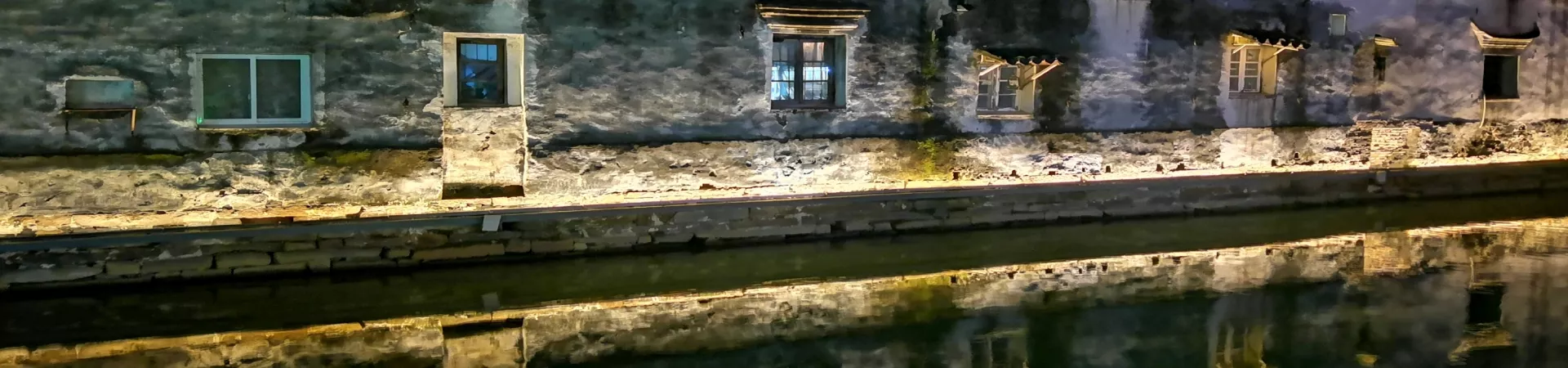
Subtitle: A Journey Through Time: Exploring Pingjiang Road, Suzhou's Living Chronicle
Introduction: The Soul of Old Suzhou
Nestled in the heart of Suzhou's ancient city, Pingjiang Road is not merely a street; it is the preserved essence of a bygone era. Stretching approximately 1.6 kilometers along a tranquil canal, this historic thoroughfare represents the most completely conserved area within Suzhou's old town. Often described as a microcosm of the ancient city itself, Pingjiang Road offers visitors a tangible, immersive journey into the classical landscape and slow-paced lifestyle that has defined this region for centuries. It stands as a living museum, where history is not displayed behind glass but is woven into the very fabric of daily life, from the lapping of water against stone banks to the gentle arch of centuries-old bridges.
The Layout: A Masterpiece of Water-Land Harmony
2.1 The Main Artery: River and Road in Parallel The defining characteristic of Pingjiang Road is its perfect embodiment of the classic Jiangnan water-town layout: "water and land running in parallel, with the river and street adjacent." The calm canal, green with reflections, forms the serene spine of the district. A single flagstone path, worn smooth by generations, runs faithfully alongside it. This harmonious duo creates a scene of profound peace, where the only traffic comes from the occasional hand-poled boat gliding silently past. The architecture lining the road is uniformly low-rise, featuring traditional whitewashed walls, dark grey tile roofs, and elegantly carved wooden doors and windows, maintaining a streetscape that has changed little in hundreds of years.
2.2 The Capillary Network: Exploring the Alleyways and Water Lanes The magic of Pingjiang Road extends beyond its main path into a intricate network of lanes and alleys that branch off like capillaries. To the east and west, historic lanes such as Xuanqiao Xiang (Suspension Bridge Lane), Daru Xiang (Great Scholar Lane), Zhongzhangjia Xiang, and Daxinqiao Xiang invite exploration.
- 3.1 The Eastern Water Lanes: Particularly on the eastern side, the system of narrow water lanes (shui xiang) remains intact. These are smaller canals, often only a few meters wide, that penetrate deep into the residential blocks. Here, houses open directly onto the water, with stone steps leading down to the canal, painting an authentic picture of the traditional "houses backed by water, streets built along rivers" lifestyle.
- 3.2 A Labyrinth of History: Each alley has its own story, often named after historical figures, bridges, or local landmarks. Wandering these quieter byways, away from the main flow, visitors encounter the true residential heart of the area—old women chatting in doorways, bicycles leaning against mossy walls, and the scent of home-cooked meals—a glimpse into uninterrupted local life.
Preservation and Atmosphere: Subtle Blends of Old and New
4.1 A Commitment to Authentic Preservation The district has been meticulously preserved, not as a frozen relic, but as a living, breathing community. The authorities and residents have made a conscious effort to retain the original appearance of the streets and alleys. This commitment to authenticity is its greatest charm. Even modern necessities and commercial ventures have been integrated with remarkable sensitivity.
4.2 Discreet Modern Integration: Bars, Cafes, and Shops The introduction of boutique hotels, souvenir shops, cafes, and quiet bars has been handled with a light touch. These establishments are deliberately low-key and unobtrusive. They are often housed within restored old buildings, their signage subtle and their facades blending seamlessly with the surrounding residential architecture. A trendy coffee shop might occupy a centuries-old courtyard house, its interior modern yet respectful of the original beams and layout. This creates a unique atmosphere where one can enjoy a craft beer or a cappuccino while fully immersed in a historical setting, ensuring the commercial vibe never overpowers the district's timeless character.
Visitor Information
Getting There: * By Metro: The most convenient option is Suzhou Metro Line 1. Alight at Xiangmen Station. From there, it is a pleasant 10-minute walk (approximately 600 meters) south to reach the southern end of Pingjiang Road. * By Bus: Several public bus routes serve the area. You can take bus 301 or 305 and disembark at the Pingjiang Road Station. The historic street is just a short 210-meter walk from the bus stop.
Suggested Duration: A visit to Pingjiang Road can be tailored to your pace. A thorough exploration, including a leisurely stroll along the main road, delving into several side alleys, perhaps enjoying a boat ride, and stopping for tea or a meal, typically requires 1 to 3 hours. Many visitors find themselves lingering longer, captivated by the atmosphere.
Contact: For general inquiries, you may contact: +86 512 69163907.