Pavilion of Surging Waves
Subtitle: A Journey Through Time and Tranquility in Suzhou's Oldest Garden
1. Introduction: The Ancient Soul of Suzhou's Gardens
Nestled within the historic city of Suzhou, the Canglang Pavilion (沧浪亭), or the Surging Waves Pavilion, stands not merely as a garden but as a living testament to classical Chinese landscape art. It holds the distinguished title of Suzhou's oldest existing classical garden and is proudly counted among the city's Four Great Gardens. Its origins trace back over a thousand years to the Five Dynasties period, initially serving as the riverside retreat of the Prince of Guangling from the Wuyue Kingdom. This profound historical lineage imbues every rock, pool, and corridor with a sense of timeless elegance. Unlike many ornamental gardens, Canglang Pavilion embodies a philosophical approach to nature, where the boundary between the crafted interior world and the external environment is deliberately blurred, creating a unique aesthetic of openness and harmony.
2. Architectural and Philosophical Highlights
2.1. The Defining Concept of "Transparency" The most striking feature that sets Canglang Pavilion apart from other renowned Suzhou gardens is its masterful application of "transparency." While other gardens often create enclosed, microcosmic worlds, Canglang Pavilion boldly integrates the outside scenery into its very heart. The garden is ingeniously built along a winding waterway, and its design philosophy revolves around incorporating, rather than isolating, the natural elements beyond its walls.
2.2. The Fusion of Rockery and External Waters This philosophy is most spectacularly realized in the garden's central design element. An artificial hill, or rockery, constructed from weathered Taihu stones, forms the garden's backbone. Instead of being surrounded by an internal pond, this rockery is seamlessly merged with the waters of the external canal that skirts the garden's perimeter. Visitors stroll through grottoes and over bridges on the rockery, with the view constantly opening to the expansive, reflective surface of the outside river. This clever design breaks the conventional barrier, making the flowing water an integral part of the garden's scenery and evoking a feeling of boundless space and natural continuity.
2.3. The Art of the Latticed Windows Another unparalleled highlight is the breathtaking collection of latticed windows. Scattered throughout the covered walkways that encircle the garden, these windows are far more than architectural necessities; they are framed canvases of living art. Over 100 distinct patterns exist, each a intricate masterpiece of ceramic or brick filigree. As one walks the corridor, these windows continuously reframe the garden's interior—bamboo groves, blossoming trees, rock formations—into ever-changing picturesque compositions. They exemplify the Chinese garden principle of "borrowed scenery" and "framed views," controlling the visitor's perspective and revealing the landscape in a series of poetic glimpses.
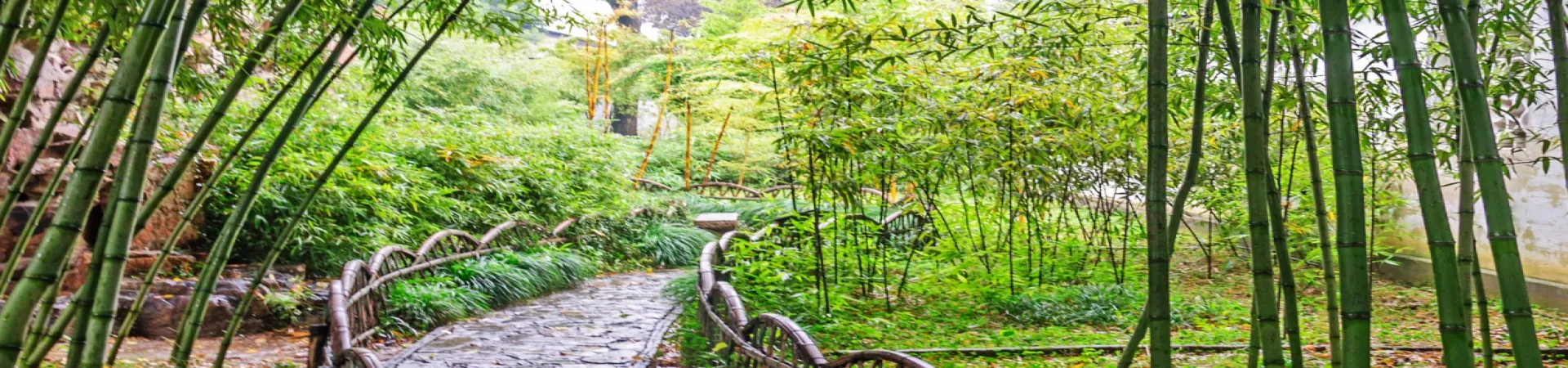
2.4. The Bamboo Forest: A Symphony in Green Complementing the water and stone is a lush, whispering forest of bamboo. Various species of bamboo are planted throughout, their slender green stalks and rustling leaves creating an atmosphere of deep serenity and scholarly refinement. In Chinese culture, bamboo symbolizes resilience, humility, and integrity, qualities highly valued by the literati who designed and enjoyed such gardens. The interplay of light and shadow through the bamboo, the sound of the wind through their leaves, and their elegant forms against white walls provide a multisensory, tranquil backdrop that enhances the garden's ancient and scholarly charm.
3. Practical Visitor Information
3.1. Ticket Information * General Admission: 20 RMB (for adults). * Concession Tickets (Half-price): Available for minors aged 6-18; full-time undergraduate students and below with valid student ID; seniors aged 60-69 with valid ID. * Free Admission: Granted to children under 6 or under 1.4 meters in height; seniors aged 70 and above; active-duty military personnel and disabled individuals with valid certificates. One accompanying caregiver for a severely disabled visitor is also admitted free.
3.2. Opening Hours * April 21 - October 20: 7:30 AM - 5:30 PM (last entry at 5:00 PM). * October 21 - April 20 of the following year: 7:30 AM - 5:00 PM (last entry at 4:30 PM). * A typical visit lasts approximately 1 hour, allowing for a leisurely exploration of its compact yet richly detailed landscape.
3.3. Transportation Guide The garden is conveniently accessible by public bus. Visitors can take bus routes 1, 5, 101, 308, or 309 and alight at the "Worker's Cultural Palace" (工人文化宫) station. From there, it is a short and pleasant walk to the garden's entrance.
4. Experiencing the Essence of Canglang Pavilion
To truly appreciate Canglang Pavilion, one must embrace its slower pace. It is a garden for contemplation rather than hurried sightseeing. Follow the covered walkway, pausing at each latticed window to admire the carefully composed view. Climb the rustic rockery to find the namesake pavilion, which offers a elevated perspective over the melding of interior garden and exterior waterscape. Sit quietly for a moment, listening to the rustle of bamboo and observing the play of light. The genius of Canglang Pavilion lies in this harmonious dialogue—between art and nature, between enclosure and openness, and between the bustling modern city outside and the profound, ancient peace preserved within its walls. It remains a perfect embodiment of the ideal Chinese scholar's retreat: a place of quiet beauty, intellectual inspiration, and seamless unity with the natural world.