Mudu ancient town
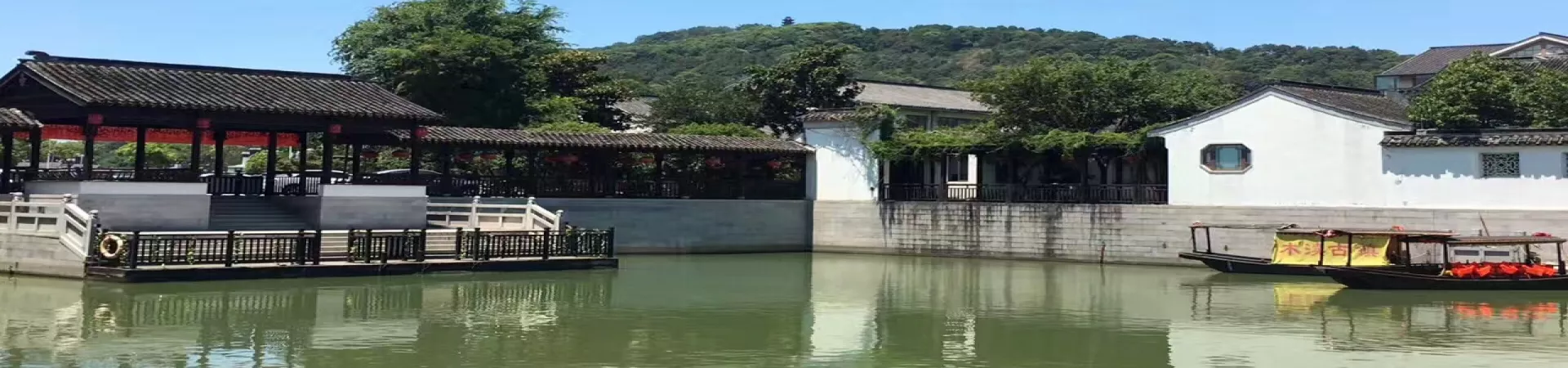
Subtitle: A Journey Through Time in the "First Town of Wuzhong"
Introduction: The Allure of an Ancient Canal Town
Nestled amidst the lush landscapes and intricate waterways of the Jiangnan region, Mudu Ancient Town holds a distinguished title: the "First Town of Wuzhong." This epithet speaks not merely to its age, but to its historical significance and enduring charm. While numerous water towns dot the map around Suzhou, Mudu carves its own unique niche. It is a place where the poetic ideal of "small bridges, flowing water, deep courtyards, and ancient trees" transcends cliché and becomes a tangible, serene reality. The town offers a more tranquil, introspective alternative to its busier counterparts, inviting visitors to step off the beaten path and into a living tapestry of history, culture, and refined aesthetics.
Section 1: The Architectural and Historical Heart of Mudu
1.1 A Landscape Defined by Water and Stone
The very soul of Mudu is shaped by its waterways. Canals like the Mudu River (木光河) crisscross the town, their tranquil green waters reflecting the sky and the graceful lines of ancient architecture. These canals are framed by绵延的 (miányán de, enduring) stone embankments—moss-covered, time-worn revetments that have withstood centuries of gentle lapping. This combination of placid water and rugged stone creates a profoundly苍古 (cāng gǔ, venerably ancient) aquatic landscape, a scene that feels paused in a distant, elegant past.
1.2 Labyrinths of History: Old Streets and Grand Mansions
Radiating from the canals is a network of old streets and narrow, winding alleys. To wander these flagstone paths is to walk through history. The alleys are gateways to another world, leading to the hidden treasures of Mudu: its celebrated深宅大院 (shēn zhái dà yuàn, deep-compound grand mansions). These were the luxurious residences of retired officials, wealthy merchants, and scholarly families. Their high walls conceal exquisite gardens, ornate carvings, and complex layouts that symbolize the prosperity and sophisticated taste of Mudu's historical elite.
1.3 Imperial Footprints: The Hongyin Mountain Villa
Among these mansions, the Hongyin Mountain Villa (虹饮山房) stands out for its imperial connection. It was a favored retreat of the Qianlong Emperor during his six legendary inspection tours to the Jiangnan region. Within its expansive grounds lies a magnificent ancient opera stage. History recounts that Emperor Qianlong would often enjoy performances here, absorbing the local culture and entertainment. Today, the villa serves as a museum, and one of its most astounding exhibits is a collection of twenty original imperial edicts (圣旨, shèngzhǐ) issued by the emperor. These beautifully crafted documents offer a direct and awe-inspiring link to China's imperial zenith.
Section 2: A Culinary and Artistic Destination
2.1 Gastronomic Delights: The Legendary Bafei Soup
A visit to Mudu is incomplete without indulging in its culinary heritage. The town is a haven for food lovers, boasting a concentration of time-honored restaurants. The most famous among them is Shijia Restaurant (石家饭店), an institution in its own right. Its signature dish, Bafei Soup (鲃肺汤), is a masterpiece of Jiangnan cuisine. Contrary to what its name might suggest, the soup is not made from fish lungs but from the delicate liver of the bachi fish (a type of pufferfish). This prized ingredient is slowly simmered in a rich chicken broth. The result is a deceptively clear soup that delivers an intensely umami and incredibly鲜美 (xiānměi, fresh and delicious) flavor, with the fish liver melting tenderly on the tongue. It is a must-try culinary experience.
2.2 Treasures to Take Home: Local Crafts and Souvenirs
Mudu has long been a center for refined craftsmanship, and its artistic legacy provides perfect mementos. The town's artisans excel in several traditional arts: * Silk and Suzhou Embroidery: As part of the greater Suzhou area, Mudu is an excellent place to find high-quality silk products and the miraculous double-sided embroidery (双面绣, shuāngmiàn xiù), where intricate, different designs are beautifully rendered on both sides of a transparent veil. * Rosewood Carvings: Intricately carved figurines, furniture, and decorative items made from precious rosewood (红木, hóngmù) showcase exceptional skill and artistry. * Chengni Inkstones: These are finely crafted inkstones made from sediment from the Taihu Lake, prized by calligraphers and collectors. * Calligraphy, Paintings, and Stone Sculptures: Reflecting the town's scholarly atmosphere, you can find works by local artists, as well as elegant stone carvings.
Section 3: Essential Practical Information for Visitors
3.1 Admission and Operating Hours
- Town Access: Entry into Mudu Ancient Town itself is free of charge.
- Individual Attractions: Please note that admission to the major historical mansions, museums, and gardens (such as the Hongyin Mountain Villa) requires the purchase of individual tickets. A combined ticket for several sites is often available and recommended.
- Opening Hours:
- April 1 - October 31: 08:30 - 17:00 (Monday - Sunday)
- November 1 - March 31: 08:30 - 16:30 (Monday - Sunday)
3.2 Getting to Mudu Ancient Town
Mudu is conveniently accessible from downtown Suzhou via public bus. Key bus routes that will bring you close to the town's entrance include numbers 2, 43, and 64. A common and convenient disembarkation point is the Mudu People's Hospital (木渎人民医院) bus stop. From there, it is a short and straightforward walk to the ancient town's scenic area.
3.3 Suggested Duration of Visit
To fully appreciate the canals, explore the key mansions and museums, enjoy a leisurely meal, and browse the shops for crafts, a minimum of 3 hours is recommended. Many visitors find that half a day allows for a more relaxed and immersive experience without feeling rushed.