The Lion Forest Garden
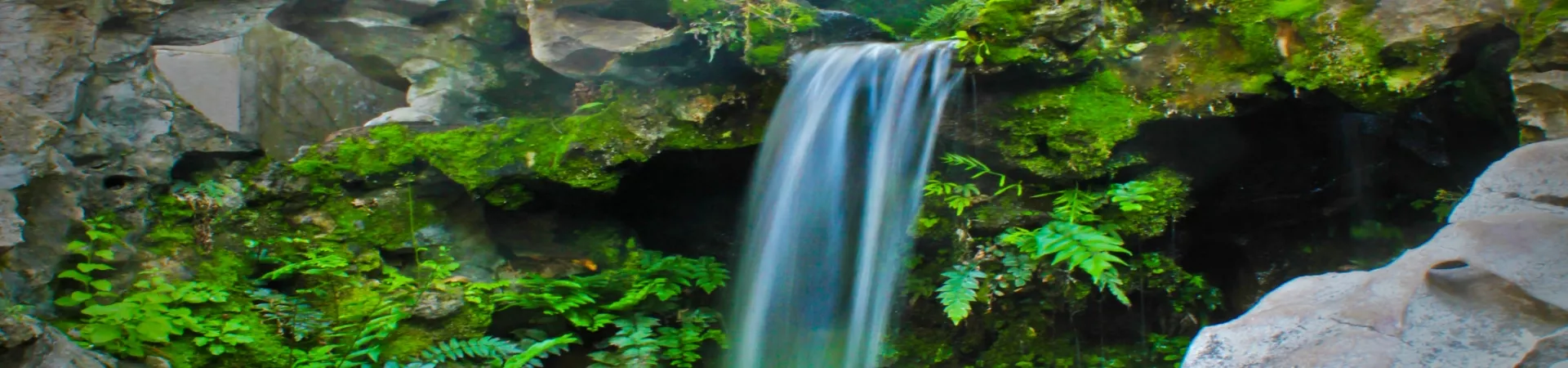
Subtitle: A Journey Through Time and Rockery: The Masterpiece of Suzhou's Classical Gardens
1. Introduction: A Living Monument of Classical Chinese Garden Art
Nestled within the ancient city of Suzhou, a UNESCO World Heritage Site renowned for its classical gardens, the Lion Forest Garden (Shizi Lin) stands as a quintessential embodiment of Chinese philosophical and aesthetic ideals translated into landscape architecture. More than merely a scenic retreat, it is a profound cultural text written in rock, water, architecture, and flora. Founded in 1342 during the Yuan Dynasty, this garden represents one of the finest surviving examples of Han Chinese classical private garden design. Its creation marked a significant moment in the evolution of the Suzhou garden style, shifting towards a greater emphasis on the symbolic and abstract representation of nature, particularly through the art of artificial rockery. For nearly seven centuries, it has captivated scholars, artists, and visitors alike, serving as a source of inspiration and a serene sanctuary from the worldly hustle.
2. Historical Evolution and Architectural Layout
2.1. Origins and Dynastic Legacy The garden's inception traces back to 1342, when it was built by a Buddhist monk, Tian Ru, in memory of his teacher, who resided at Lion Cliff on Tianmu Mountain. The name "Lion Forest" thus carries a dual meaning: it pays homage to the teacher's abode and aptly describes the garden's most famous feature—the labyrinthine rockery resembling lions in various postures. Over the centuries, the garden changed hands among scholars, officials, and wealthy merchants, each contributing to its layout and character. It was significantly restored and expanded during the Ming and Qing dynasties, evolving into the complex we see today.
2.2. Structural Composition: A Tripartite Harmony A classical Suzhou garden is often a microcosm of the world, and the Lion Forest Garden is meticulously organized into three integrated sections: the ancestral temple, the residential quarters, and the ornamental garden itself. This layout reflects the traditional Chinese ideal of harmonizing familial duty, daily life, and spiritual communion with nature.
- The Ancestral Temple (贝氏宗祠): The current main entrance to the garden was originally the Bei Family Ancestral Temple. This area underscores the Confucian value of filial piety and ancestral reverence, serving as a formal and solemn prelude to the artistic exploration within. The architectural gravity here gradually gives way to the playful complexity of the inner garden.
- The Residential Quarters: Though not always fully open to the public, the residential section represents the living spaces of the garden's former owners. These structures, with their elegant halls, studies, and courtyards, illustrate the seamless integration of domestic life within an artistic environment, where every window framed a painting-like view.
- The Ornamental Garden: This is the heart and soul of Lion Forest. It is a masterclass in creating "multiple vistas within a confined space" and evoking the grandeur of mountains and forests within a "foot's distance." Every element, from the overarching spatial arrangement down to the minutest detail of a pavilion's eaves or a lattice window, is executed with extraordinary precision and symbolic intent.
3. The Art of Rockery and Key Scenic Highlights
The Lion Forest Garden is universally celebrated for its spectacular and complex Taihu limestone rockeries, which are considered the pinnacle of this art form in China.
3.1. The Labyrinthine Rock Forest The centerpiece is the vast, maze-like rock formation in the central pond. Eroded Taihu stones, prized for their perforated, wrinkled, and textured appearance, are artfully piled to create caves, tunnels, peaks, and valleys. Visitors are encouraged to wander through this stone labyrinth, a physical and metaphorical journey where paths twist and turn, offering surprising vistas and moments of disorientation followed by delightful discovery. The rocks are said to resemble lions crouching, sleeping, dancing, or playing, engaging the imagination directly.
3.2. Principle of "Small is Grand" The garden exemplifies the concept of "borrowed scenery" (借景) and compressed landscapes. Despite its relatively compact size (approximately 1.1 hectares), it feels expansive and endlessly varied. This is achieved through ingenious design techniques:
- Vista Borrowing: Strategically placed openings in walls, windows of pavilions, and carefully framed views incorporate distant elements (like neighboring trees or skies) into the garden's composition, breaking visual boundaries.
- Compressed Scale: Miniature cliffs, gorges, and plateaus are created with rocks, alongside narrow streams and small ponds, to evoke the essence of vast natural landscapes. The famous "Stone Boat" or "Painted Boat" (画舫) pavilion appears to float on water, enhancing the aquatic illusion.
- Architectural Accents: Numerous pavilions, towers, and corridors with poetic names such as the "Standing-in-Snow Hall" (立雪堂), "Ask-Mei Pavilion" (问梅阁), and "True Delight Pavilion" (真趣亭) are not just resting points but integral components of the scenery. They provide sheltered vantage points from which to contemplate specific, composed views, each a living painting that changes with the seasons and light.
4. Practical Visitor Information
4.1. Ticket Information and Opening Hours * Opening Hours: 07:30 - 17:30 (Daily, year-round). * General Admission: 40 RMB (Peak season, applicable throughout the year). * Concession Tickets (Half-price): * Minors aged 6 (not inclusive) to 18 (inclusive). * Full-time undergraduate students and below, with valid student ID. * Seniors aged 60 (inclusive) to 70 (not inclusive), with valid ID or Senior Citizen Card. * Free Admission: * Active military personnel and retired army officers with valid ID. * Visitors with disabilities (with Disability Certificate); one companion admitted free for severely disabled visitors requiring assistance. * Seniors aged 70 and above, with valid ID. * Children with height under 1.4 meters. * Children aged 6 and below, with valid ID.
4.2. Transportation and Location * Location: No. 23 Yuanlin Road, Gusu District, Suzhou City. * Public Transport: A highly convenient option is to take the Suzhou Tourist Bus Line 1 North Line and alight at the "Shizi Lin" bus stop. From there, it is a short walk of approximately 100 meters to the garden entrance. Regular city buses serving the Linji Road (Linji Lu) stop also provide easy access.
4.3. Suggested Duration and Tips for Visit * Suggested Visit Duration: 1 to 3 hours. A leisurely pace of 2-3 hours is recommended to fully appreciate the rockery maze, explore the various halls, and soak in the atmosphere. * Visitor Tips: * Footwear: Wear comfortable, non-slip shoes as the rockery paths involve climbing steps and navigating uneven surfaces. * Timing: Early mornings on weekdays are generally less crowded. The garden's character transforms under rain or mist, offering a uniquely ethereal experience. * Guides: Consider an audio guide or a human tour guide to fully understand the rich symbolism, historical anecdotes, and design principles behind each scene. * Combination Tickets: Often available with other nearby gardens like the Humble Administrator's Garden, offering better value for extensive exploration.