Huqiu Scenic Area
Subtitle: A Journey Through Time: Exploring the Architectural Marvels and Verdant Gardens of Suzhou's Ancient Hill
Introduction Nestled on the outskirts of Suzhou's ancient city, the Tiger Hill (Huqiu) Scenic Area stands as a timeless testament to Chinese history, horticulture, and architectural ingenuity. With a legacy spanning over 2,500 years, it is not merely a recommended stop but an essential pilgrimage for any visitor to Suzhou. Often hailed as the "First Scenic Spot in Wu Zhong," Tiger Hill masterfully intertwines breathtaking natural landscapes with profound cultural relics, offering a condensed narrative of the region's storied past. The site's fame primarily rests on two iconic features: the precariously leaning Yunyan Pagoda and the mysteriously evocative Sword Pool. Beyond these monumental highlights, the hill unfolds as a serene landscape of ancient trees, tranquil ponds, historic stone inscriptions, and meticulously designed gardens, providing a peaceful retreat from urban bustle and a deep dive into classical Chinese aesthetics.
1. Historical Significance and Core Attractions 1.1. The Yunyan Pagoda: The Leaning Tower of the East Dominating the hill's skyline is the Yunyan Pagoda, a seven-story, octagonal brick pagoda constructed during the Later Zhou dynasty (951-961 AD) of the Five Dynasties period. More colloquially and famously known as the Tiger Hill Pagoda, it has earned the moniker "The Leaning Tower of the East" due to its pronounced tilt, a result of geological shifts over centuries. While its lean is less extreme than its Italian counterpart in Pisa, it presents a similarly captivating spectacle of architectural resilience. The pagoda's elegant yet sturdy form has become the definitive symbol of Tiger Hill and, by extension, a beloved emblem of Suzhou itself. Its preservation allows visitors to witness a masterpiece of ancient Chinese brick construction that has weathered over a millennium.
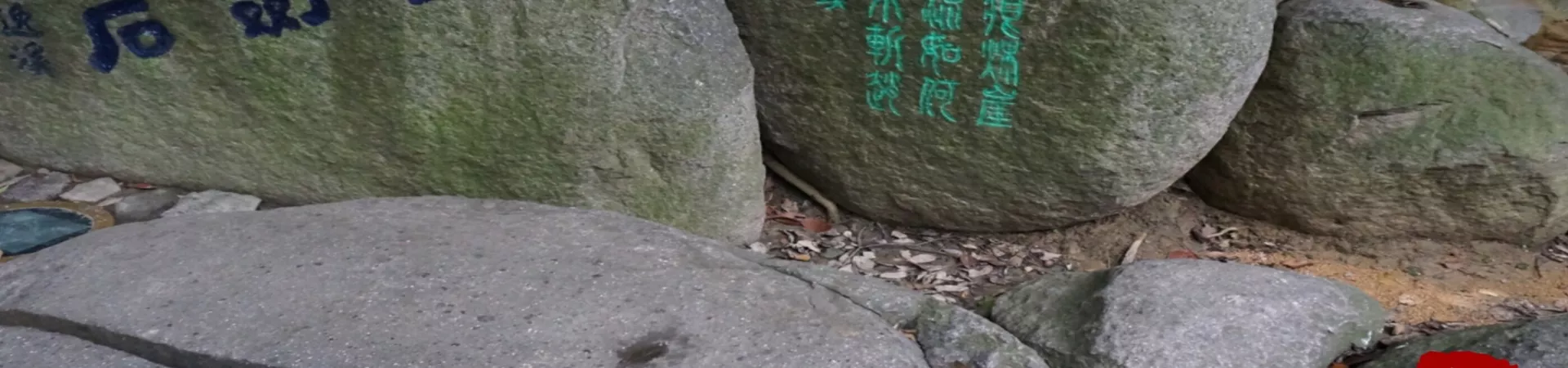
1.2. The Sword Pool and Its Legendary Aura At the foot of the pagoda lies Tiger Hill's most enigmatic site: the Sword Pool (Jian Chi). This rectangular, ink-green pool of water is shrouded in legend, most famously associated with the tomb of King Helü of Wu (reigned 514–496 BC). Lore suggests that his final resting place lies concealed beneath its depths, accompanied by a treasure of 3,000 precious swords. The sheer, moss-covered cliffs surrounding the pool are inscribed with numerous calligraphic works from different dynasties. The most prominent, the four large characters "虎丘劍池" (Hu Qiu Jian Chi), are traditionally attributed to the revered Tang dynasty calligrapher Yan Zhenqing, adding immense cultural weight to the site's already potent atmosphere. The narrow passage of the "Second-Fold Bridge" overhead frames the pool, creating a scene of profound stillness and mystery that has inspired poets and artists for generations.
2. Seasonal Events and Horticultural Displays 2.1. Floral Festivals and Temple Fairs Tiger Hill is not a static museum but a vibrant cultural space that celebrates the changing seasons. Throughout the year, the scenic area hosts several major floral festivals and traditional temple fairs, which dramatically transform its ambiance. The most significant of these is the Spring Flower Festival, typically held from March to May. During this period, the hill is adorned with a spectacular exhibition of both domestic and exotic flowers and plants. Acres of tulips, peonies, azaleas, and meticulously curated bonsai create a riot of color and fragrance. These events are complemented by cultural performances, handicraft displays, and local snack stalls, reviving the lively spirit of ancient Suzhou folk traditions.
2.2. Year-Round Garden Landscape Even outside festival times, Tiger Hill is a premier destination for garden enthusiasts. The landscape is a classic example of Chinese garden design principles, incorporating elements of water, rockery, architecture, and flora to create "scenes within scenes." From the delicate beauty of the Wanjing Villa's penjing (miniature landscapes) to the ancient, gnarled trees like the Tang Dynasty Scholar Tree, every path offers a carefully composed view. The Thousand-Men Rock, the Pillow Stone, and the True Tomb Entrance (a dry well believed to be connected to King Helü's tomb) are interspersed among lush greenery, ensuring that a leisurely stroll is filled with continuous discovery and photographic opportunities.
3. Practical Visitor Information 3.1. Ticket Prices and Concessions Admission to the Tiger Hill Scenic Area is ticketed, with the following structure (subject to change): * General Admission Ticket: 70 RMB for adults. * Concession Ticket (35 RMB): Applies to seniors (typically 60-69 years old, with valid ID), children between 6 (not inclusive) and 18 years old (inclusive), and full-time undergraduate students and below (with a valid student ID card). * Free Admission: Granted to: 1) Active-duty Chinese military personnel and retired army officers (with valid certificate); 2) Visitors with disabilities (with a valid disability certificate), with one accompanying caregiver admitted free for those requiring severe disability assistance; 3) Seniors aged 70 (inclusive) and above (with valid ID); 4) Children with a height of 1.4 meters (inclusive) and below; 5) Children aged 6 (inclusive) and below (with valid documentation).
3.2. Opening Hours and Best Times to Visit The operating hours vary slightly by season: * April 5th - October 31st: 07:30 - 18:00. Last ticket sale at 17:00; last entry at 17:00. * November 1st - April 4th of the following year: 07:30 - 17:30. Last ticket sale at 16:30; last entry at 16:30. It is advisable to arrive early in the day to avoid larger crowds, especially during weekends and public holidays. The early morning or late afternoon light provides excellent conditions for photography, particularly of the pagoda and the Sword Pool.
4. Transportation and Accessibility 4.1. Getting to Tiger Hill Tiger Hill is conveniently accessible via Suzhou's public bus network. Visitors have two main entrance options: * South Gate (Main Entrance): Take tourist bus line You 1 and alight at the Huqiu Lu (Tiger Hill Road) Station. This is the most common approach. * North Gate: Take bus 32 or the tourist shuttle Haoxing Line 1 to the Huqiu Beimen (Tiger Hill North Gate) Station. This can be a less crowded alternative. Taxis and ride-hailing services are also readily available throughout Suzhou. While there is no direct metro station at the hill, the expanding Suzhou Metro network connects to bus hubs that serve the area.
4.2. Navigating the Scenic Area The hill itself is not excessively steep, but it does involve walking on paved paths, stone steps, and sometimes uneven ground. Comfortable walking shoes are highly recommended. The core circuit covering the major sites can be comfortably explored in 1 to 3 hours, though visitors interested in horticulture, photography, or a more relaxed pace may wish to allocate half a day. Signage is in both Chinese and English at major points. For inquiries, the scenic area can be contacted at 0512-65893726 or 0512-67232305.