Snow Maple Park
Subtitle: A Living Memorial to a Revolutionary Hero: Exploring Xuefeng Park in Suqian, China
1. Introduction: A Green Oasis Steeped in History Nestled within the bustling city of Suqian in Jiangsu Province, Xuefeng Park (Snow Maple Park) stands as a profound and serene tribute to one of China's most revered military commanders and revolutionary martyrs, General Peng Xuefeng. More than just a typical urban green space, this park seamlessly blends historical commemoration, cultural education, and natural beauty, offering visitors a multifaceted experience. It serves as a place for quiet reflection on China's modern history, an educational journey for all ages, and a peaceful retreat for leisure and recreation. The park's design and core facilities are intrinsically linked to the life and legacy of General Peng, making a visit here both an enlightening and contemplative experience.
2. Remembering a Hero: The Legacy of General Peng Xuefeng 2.1. The Man Behind the Name To fully appreciate Xuefeng Park, one must understand the figure it honors. General Peng Xuefeng (1907-1944) was a brilliant and charismatic leader in the New Fourth Army during the Chinese Communist Revolution and the War of Resistance against Japan. Known for his strategic acumen, literary talent, and deep commitment to his soldiers and the people, he was tragically killed in action in 1944. The park, named after his poetic pseudonym "Xuefeng" (meaning "Snow Maple"), immortalizes his spirit and contributions.
2.2. A Park as a Biography The entire layout of Xuefeng Park can be seen as a physical narrative of Peng Xuefeng's life. From statues capturing his determined gaze to monuments inscribed with his writings, the environment tells his story. The central axis of the park often guides visitors through symbolic representations of his journey, creating a spatial biography that is both moving and informative.
3. Exploring the Park's Features and Layout 3.1. Architectural and Sculptural Highlights The park is anchored by several striking monuments. The most prominent is often a grand bronze statue of General Peng Xuefeng, depicting him in military attire, looking forward with resolve. Surrounding plazas and walkways are lined with stone reliefs and sculptures depicting key scenes from his life and the revolutionary struggle, serving as open-air history lessons.
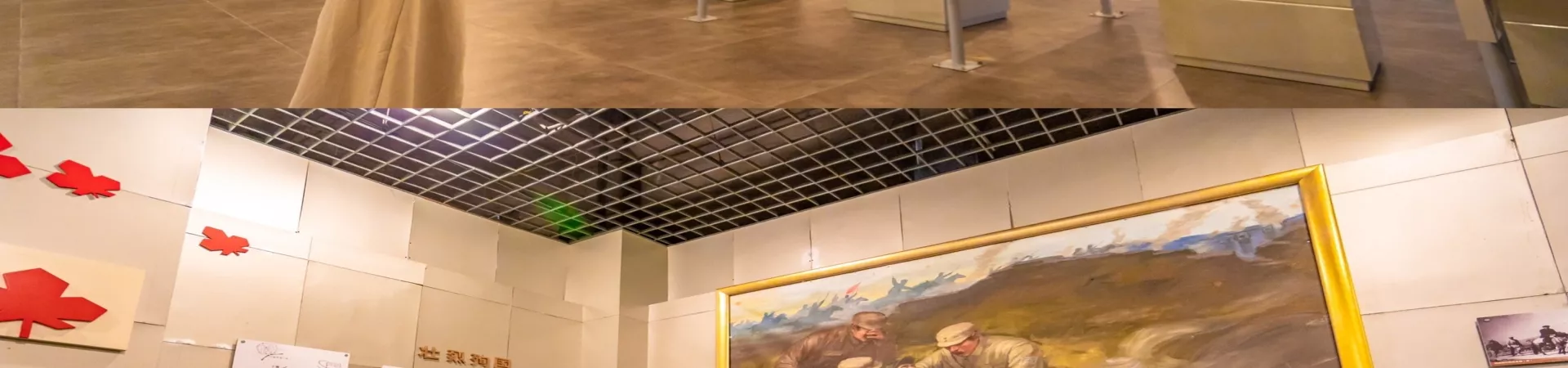
3.2. The Heart of Memory: The Memorial Hall/Museum 3.2.1. A Journey Through History The centerpiece of the historical experience is the Peng Xuefeng Memorial Hall (often referred to as the museum within the park). This modern facility houses an extensive collection of artifacts, photographs, personal belongings, and historical documents. Exhibits are meticulously curated to detail General Peng's early life, his military campaigns, his political work, and his enduring legacy. Dioramas, multimedia presentations, and interactive displays make the history accessible and engaging for visitors.
3.2.2. Practical Visitor Information for the Memorial Hall It is crucial for visitors to note the operating hours of this key facility. While the park grounds themselves are open to the public 24 hours a day, providing constant access to its green spaces and outdoor monuments, the indoor Memorial Hall operates on a fixed schedule. The standard opening hours for the hall are from 9:00 AM to 11:30 AM and from 2:00 PM to 5:30 PM. It is advisable to plan your visit to ensure you allocate sufficient time to explore this comprehensive museum, as it is the primary source for in-depth historical understanding within the park.
3.3. Natural Landscape and Leisure Spaces Beyond the historical core, Xuefeng Park is a beautifully landscaped environment. Manicured gardens, serene lakes crossed by elegant bridges, and shaded pathways under mature trees offer a tranquil escape. These areas are popular for morning tai chi, family strolls, and quiet contemplation. The harmonious blend of natural elements with the solemn memorial structures creates a unique atmosphere of respectful peace.
4. The Visitor Experience: Engagement and Reflection 4.1. Educational Value and Cultural Significance For students, history enthusiasts, and patriotic education groups, the park is an invaluable resource. It provides a tangible connection to a critical period in 20th-century Chinese history. The narratives presented foster an understanding of the sacrifices made during the nation's revolutionary and wartime periods, framed through the compelling life of a single individual.
4.2. A Space for Civic Life and Tourism Xuefeng Park also functions as a vital civic space for Suqian's residents. It is a venue for commemorative ceremonies on important national holidays, a backdrop for cultural activities, and a beloved destination for daily exercise and socializing. For the tourist, it offers a distinct insight into the local and national identity, contrasting with purely scenic or ancient historical sites found elsewhere in China.
4.3. Planning Your Visit A complete visit to Xuefeng Park requires at least half a day. Visitors are encouraged to start with the Memorial Hall during its opening hours to gain historical context, before wandering the grounds to see the monuments and enjoy the landscaping. The contrast between the informative, structured museum experience and the free, peaceful exploration of the park allows for both learning and personal reflection. The park's accessibility and its role as a green lung in the city make it a must-visit destination in Suqian for a meaningful and balanced cultural experience.