Siyang Mazu Culture Park
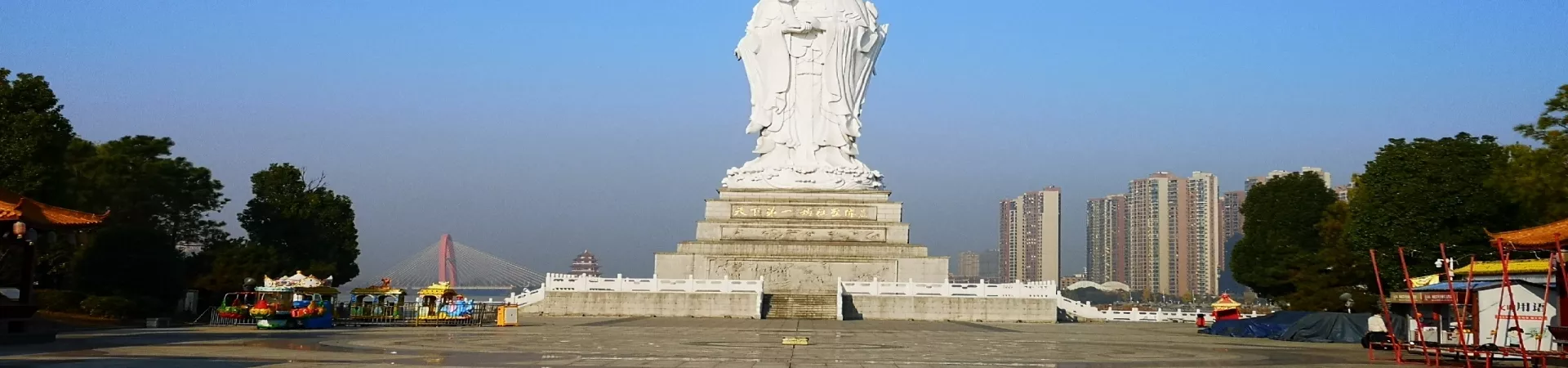
Subtitle: A Sacred Beacon on the Grand Canal: Exploring the Siyang Mazu Cultural Park
1. Introduction: A Convergence of History, Faith, and Waterways
Nestled within the historically rich and ecologically vibrant city of Siyang, Jiangsu Province—a region celebrated as the "Hometown of Poplar Trees" and the "Capital of Plains and Green Seas"—lies a unique spiritual and cultural landmark: the Siyang Mazu Cultural Park. This park is not merely a local attraction; it is a significant node in the cultural geography of China's Grand Canal, representing a profound link between maritime traditions and inland waterway civilization. Siyang itself, often identified with the ancient Sishui Kingdom boasting over two millennia of history, provides a deeply resonant backdrop for this site dedicated to Mazu, the revered Chinese sea goddess. The park's strategic and symbolic location transforms it into a essential destination for understanding the spread of Mazu worship and its adaptation along the world's longest artificial river.
2. The Island Sanctuary: Location and Landscape
2.1. A Strategic and Scenic Setting The park is meticulously situated on Lover's Island, southwest of the Siyang Ship Lock. This location is geographically and symbolically central, positioned within the main flow of the majestic Grand Canal. The island itself is embraced by water on three sides, creating a natural atmosphere of tranquility and separation from the mundane world, an ideal setting for contemplation and cultural immersion. This aquatic embrace underscores the deep connection between the site and the element Mazu governs.
2.2. An Architectural and Devotional Layout Designed to harmonize with its insular environment, the cultural park leads visitors on a journey from its entrance towards its spiritual climax at the westernmost tip. The layout encourages a gradual engagement with Mazu culture, building anticipation as one approaches the park's breathtaking centerpiece.
3. The Crown Jewel: The Monumental Three-Faced Mazu Statue
3.1. A Unique Global Icon Dominating the skyline and serving as the park's undeniable focal point is a majestic statue of Mazu, soaring to an impressive height of 32.3 meters. This statue is of extraordinary global significance: it is the world's only triple-faced depiction of the goddess. Each serene countenance gazes outward in a different direction, a powerful artistic and theological statement representing Mazu's boundless compassion and watchful protection over all beings in every corner of the world. This singular feature makes the Siyang site unparalleled within the international sphere of Mazu worship.
3.2. Symbolism and Craftsmanship The three faces are believed to symbolize the goddess's all-encompassing vision and her specific blessings for peace, safety, and prosperity. The statue's formidable scale and intricate craftsmanship are a testament to both modern engineering and traditional devotional art. It stands not just as a sculpture, but as a beacon of faith and a guardian for the countless vessels that have traversed the Grand Canal for centuries.
4. Cultural Significance and Regional Context
4.1. A Canal-Born Cultural Relic The Siyang Mazu Cultural Park is accurately described as a "shining pearl on the thousand-mile Grand Canal." It holds the distinguished status of being the only surviving Mazu cultural heritage site directly along the canal's entire course. This positions it as a critical piece of living history, illustrating how coastal maritime beliefs traveled inland via this vital economic and cultural artery, taking root and flourishing in communities far from the sea.
4.2. Forming a Cultural Axis The park's importance is further framed by a recognized cultural pattern in the region: "In the south, there is the Huiju Temple in Kunshan; in the north, stands the Siyang Mazu Cultural Park." This saying highlights the park's role in forming a north-south axis of significant cultural and religious sites in Jiangsu, offering visitors complementary insights into the diverse spiritual landscape of Eastern China.
5. Practical Information for Visitors
5.1. Opening Hours The park is accessible to visitors 24 hours a day, every day of the week, throughout the entire year. This "all day" schedule allows for flexibility in planning and offers the opportunity to experience the site in different lights, particularly during serene mornings or under the dramatic hues of sunset against the statue and water.
5.2. Suggested Visit Duration To fully appreciate the park's ambiance, explore its pathways, contemplate the grand statue from various angles, and understand its cultural context, a visit of approximately 1 to 3 hours is recommended. This provides ample time for photography, quiet reflection, and absorbing the unique waterside atmosphere without feeling rushed.
5.3. Ticketing Information As policies and pricing may be subject to change, it is advisable for visitors to check the latest details directly with the park management prior to their visit. Confirming ticket information through official channels or local tourist information centers is always the best practice for smooth travel planning.
(Information last updated: November 16, 2022. Acknowledgment is extended to contributing community editors for their input in maintaining accurate details.)