China Poplar Museum
Subtitle: A Journey Through the World of Poplars: Exploring China's Premier Poplar Museum
1. Introduction to the Museum Nestled in Siyang County, Jiangsu Province—a region celebrated as the "Hometown of I-214 Poplars"—the China Poplar Museum stands as a unique institution dedicated entirely to the culture, science, and history of poplar trees. Officially inaugurated on June 2, 2007, this museum holds the distinction of being the sole exhibition hall in China focused specifically on poplar culture. Occupying a total area of 9,960 square meters, with a building footprint of 1,443 square meters, the museum offers visitors a comprehensive and immersive exploration of these vital and majestic trees, blending educational value with aesthetic and leisure appeal.
2. Architectural Layout and Core Exhibitions The museum's design thoughtfully guides visitors through the multifaceted story of poplars, from their historical roots to their modern applications.
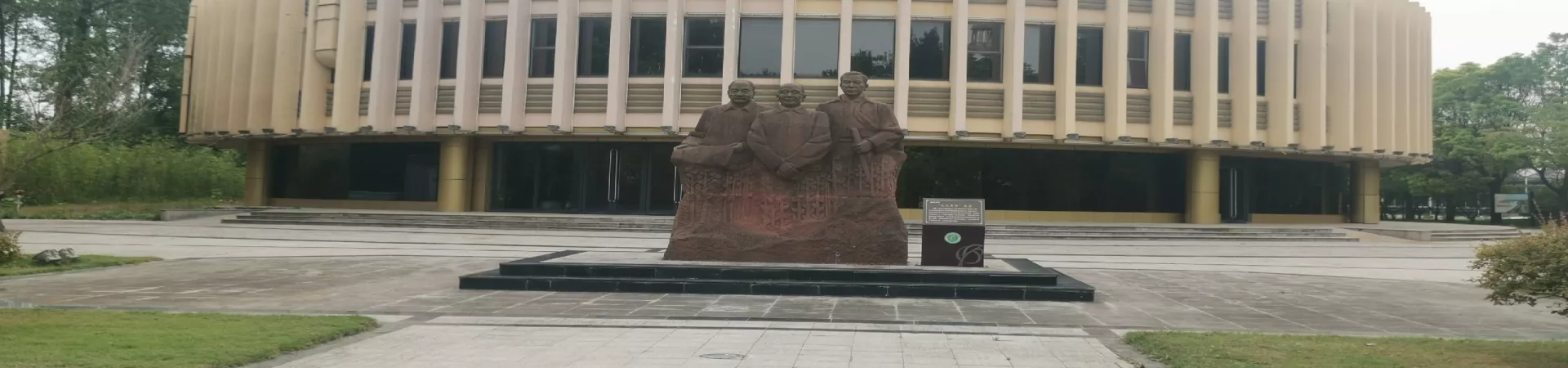
2.1. Grand Entrance and Exterior Monuments Approaching the museum, visitors are greeted by a significant granite sculpture group positioned directly in front of the main building. This monument pays tribute to three pivotal figures in the development of China's poplar industry: Liang Changwu (center), former Vice Minister of the former Ministry of Forestry, who oversaw the introduction of southern-type poplar species to China; Wang Mingxiu (left), revered as the "Father of Chinese Black Poplar," an academician of the Chinese Academy of Engineering and a professor at Nanjing Forestry University; and Wang Changquan (right), an outstanding local forestry scientist from Siyang County. Their collective vision and dedication laid the groundwork for the industry's prosperity.
To the south of the exhibition hall stands a living testament to poplar grandeur: four towering I-214 poplars, planted in 1976. Known as the "Kings of Chinese I-214 Poplars," they are considered living fossils. The tallest of these giants, measured in 2005, reaches an impressive height of 46 meters with a trunk diameter of 1.16 meters, representing a single-tree timber volume of approximately 16.8 cubic meters.
2.2. First Floor: Bronze Reliefs and Regional Heritage The journey begins on the first floor, which is anchored by two large, antique bronze reliefs. These intricate artworks vividly depict the region's deep connection with poplars across time. One relief, "Ancient Sishui Kingdom," explores the historical context of the area, while its counterpart, "Hometown of I-214 Poplars," illustrates the modern landscape and significance of poplar cultivation, providing a visual narrative of the locale's past and present identity.
2.3. Second Floor: Thematic Exhibition Halls The second floor houses the museum's core exhibition spaces, comprising seven distinct halls that employ a variety of modern display techniques, including multimedia, sound and light effects, graphics, cultural relics, and interactive installations.
3. Detailed Exploration of the Exhibition Halls Each hall on the second floor is dedicated to a specific aspect of poplar science and culture, offering a detailed and engaging experience.
3.1. Image Exhibition Hall This hall serves as an introductory space, using powerful imagery and overviews to set the stage for the visitor's exploration, highlighting the global and local importance of poplar trees.
3.2. International Exhibition Hall Focusing on the global perspective, this hall displays various poplar species from around the world, their ecological characteristics, and their international significance in forestry and environmental projects.
3.3. Craftsmanship Collection Hall Here, the practical and artistic applications of poplar wood are showcased. Visitors can admire a diverse range of finely crafted products, furniture, and everyday items that demonstrate the wood's versatility, grain, and workability.
3.4. Culture and Art Hall This space celebrates the poplar's place in human culture. It features paintings, calligraphy, literature, and folk art inspired by poplars, reflecting their symbolic meanings of resilience, growth, and vitality in various cultural traditions.
3.5. Historical Archives Hall Dedicated to preserving the legacy, this hall houses important documents, photographs, and historical records that trace the scientific research, policy development, and industrial growth of poplar cultivation in China, particularly in the Siyang region.
3.6. Cultivation and Utilization Hall Focusing on the science and economics, this exhibit details the complete lifecycle of poplars—from advanced cultivation techniques and silviculture to their wide-ranging utilization in timber production, paper manufacturing, ecological restoration, and bioenergy.
3.7. Multimedia Hall As a dynamic complement to the other exhibits, this hall utilizes film, interactive screens, and automated rotating display platforms for sculptures and models. These technologies offer engaging, in-depth explanations of complex topics, such as tree biology, forest ecosystems, and industrial processes, creating a memorable and informative experience.
4. Practical Visitor Information To facilitate planning, visitors should note the following practical details. The museum's opening hours are from 8:30 AM to 11:30 AM in the morning, and from 2:00 PM to 5:30 PM in the afternoon. For inquiries, including specific details regarding admission tickets, which are subject to change, visitors are advised to contact the scenic area directly at 0527-85271929 for the most current information.