Wenfeng Pagoda
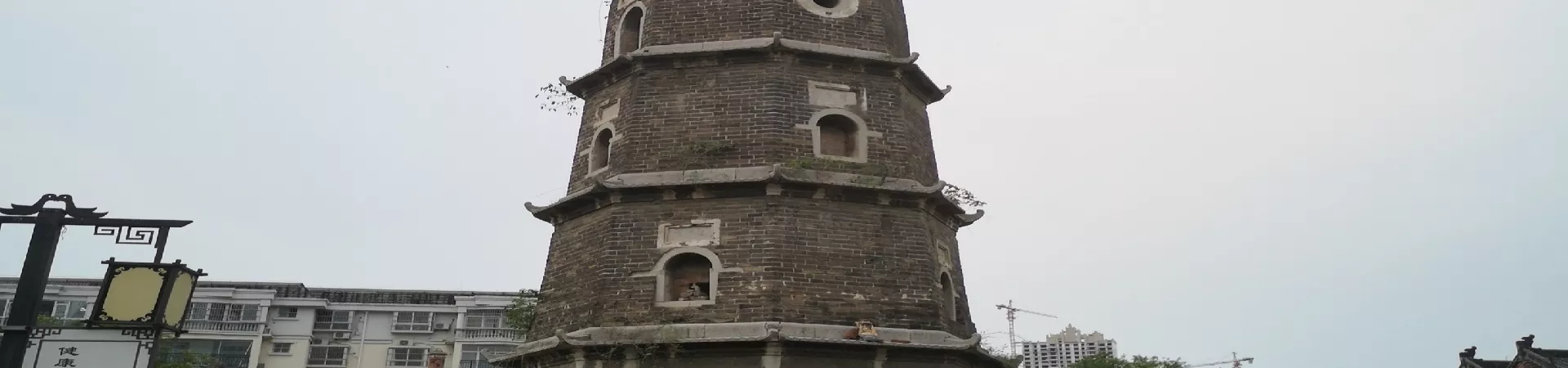
Subtitle: A Journey Through Time: Exploring the Architectural and Cultural Legacy of Suizhou's Wenfeng Pagoda
Introduction: A Beacon of History in Suizhou's Skyline
Rising gracefully against the modern backdrop of Suizhou city in Hubei Province, the Wenfeng Pagoda stands not merely as a static monument, but as a silent narrator of the region's rich historical and cultural tapestry. For the discerning traveler seeking to move beyond superficial sightseeing, a visit to this ancient structure offers a profound immersion into Chinese architectural philosophy, local lore, and the enduring spiritual aspirations of a community. While a practical visit may require only 1-3 hours, the intellectual and aesthetic journey it inspires resonates far longer. With an accessible entrance fee of 15 yuan, it presents an invaluable portal into China's past.
I. Historical Context and Architectural Significance
1.1. Origins and Symbolic Purpose The Wenfeng Pagoda, whose name translates to "Scholars' Peak Pagoda," is deeply rooted in the traditional Chinese practice of feng shui and civil examination culture. Historically, pagodas of this name were often constructed to enhance a locality's feng shui, specifically to cultivate literary talent and bring forth scholars (wenxing) who would succeed in the imperial examinations. The Suizhou Wenfeng Pagoda is believed to have been built during the Ming Dynasty, serving as a spiritual anchor and a symbol of the community's hopes for scholarly achievement and cultural prosperity. It embodies the Confucian ideal of valuing education and civil service, making it a cultural landmark as much as an architectural one.
1.2. Architectural Design and Features Constructed primarily of brick and stone, the pagoda is a classic example of a multi-eaved, pavilion-style pagoda. Its octagonal base and multiple tiers, each delineated by intricately designed dougong (bracket sets) and overhanging eaves, follow the elegant proportions typical of Ming-era Buddhist and geomantic structures. While the exact number of stories may vary in historical records, its vertical form draws the eye skyward, symbolizing a connection between the earthly and the celestial. The sturdy construction has allowed it to withstand centuries, with restoration efforts carefully preserving its original aesthetic and structural integrity. Details such as arched doorways, miniature Buddhist niches (though primarily a feng shui structure, architectural motifs often blended), and weathered stone carvings offer glimpses into the craftsmanship of its era.
II. The Visitor Experience: A Multi-Sensory Engagement
2.1. Approach and External Appreciation The experience begins with the approach. The pagoda is often situated within a peaceful park or garden setting, allowing visitors to appreciate its full silhouette from a distance. The journey towards its base is one of anticipation. The play of light and shadow on its aged bricks, the texture of the stonework, and the gentle sway of bells (if present on the eaves) create an atmosphere of serene antiquity. Circling the base, one can observe the foundation's resilience and the subtle ornamental details that might escape a cursory glance.
2.2. Interior Ascent and Panoramic Reward For visitors permitted to enter (subject to preservation policies), the ascent through the narrow staircases within the pagoda's core is a physical and metaphorical climb through history. The interior space is often compact and dimly lit, with the sound of footsteps echoing against ancient walls. Each successive level offers a slightly different perspective through its windows, framing the surrounding cityscape and landscape like living paintings. The final accessible level provides a breathtaking panoramic view. From this vantage point, the contrast between the timeless pagoda and the evolving city of Suizhou becomes strikingly clear, offering a unique contemplative space on the passage of time.
III. Cultural and Spiritual Dimensions
3.1. A Testament to Local Identity and Lore Beyond its physical form, the Wenfeng Pagoda is woven into the local cultural consciousness. It serves as a proud symbol of Suizhou's historical depth. Local legends and stories are invariably attached to such ancient structures—tales of its construction, of scholars it supposedly blessed, or of its survival through historical upheavals. Engaging with these narratives, whether through guides or informational plaques, enriches the visit, transforming the pagoda from an object into a character in Suizhou's ongoing story.
3.2. A Space for Reflection and Continuity While not an active temple, the pagoda retains a quiet spiritual ambiance. Its original purpose as a feng shui structure to harmonize the environment and encourage civil prosperity speaks to a worldview deeply connected to nature and social order. For modern visitors, it functions as a tranquil oasis for reflection. It is also a testament to cultural continuity; seeing locals practicing tai chi in its shadow, or families strolling in its gardens, demonstrates how historical landmarks remain integrated into the daily life and identity of a community.
IV. Practical Considerations for the Visit
3.1. Planning Your Exploration To fully appreciate the Wenfeng Pagoda, allocate sufficient time within the suggested 1-3 hours to wander without rush. Early mornings or late afternoons often provide the best light for photography and a more peaceful atmosphere. Combining the visit with nearby attractions, such as the Suizhou Museum (which houses remarkable artifacts from the Zeng State tombs) or other historical sites, can create a comprehensive cultural day trip.
3.2. Preservation and Respectful Tourism As a cherished historical relic, the pagoda's preservation is paramount. Visitors should adhere to all posted guidelines, which may include restrictions on touching fragile surfaces, climbing certain sections, or making loud noises. The modest entrance fee directly contributes to these ongoing conservation efforts, allowing future generations to enjoy this legacy. Respectful observation ensures that the serene and dignified character of the site is maintained for all.
In essence, the Wenfeng Pagoda of Suizhou is a multidimensional destination. It is an architectural study, a historical document, a cultural symbol, and a viewpoint—both literal and philosophical. Its value lies not in grandeur alone, but in its ability to connect the visitor to a layered past and to the enduring human desires for knowledge, harmony, and beauty that its form was built to inspire.