Tomb of Marquis Yi of Zeng
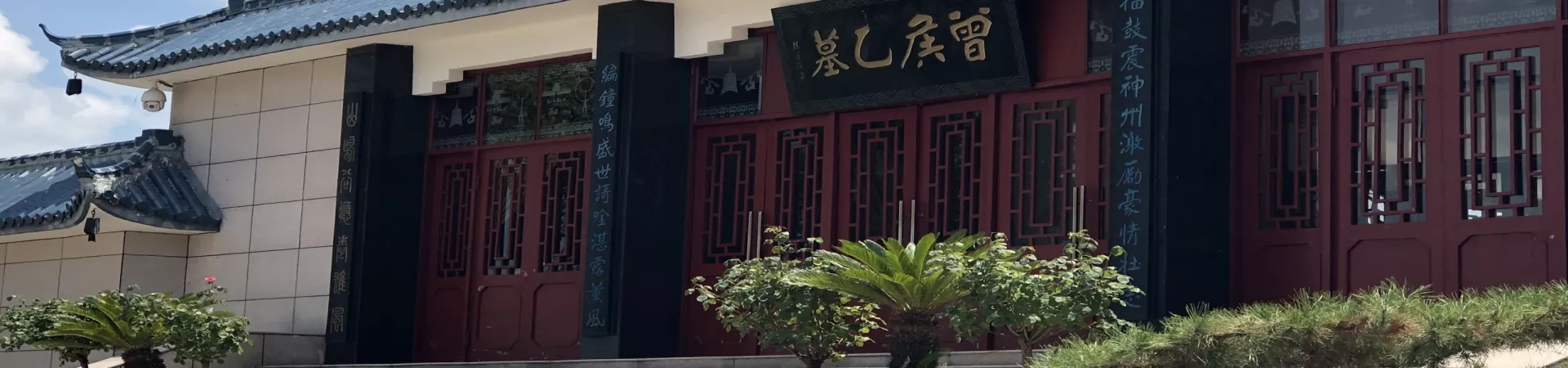
Subtitle: A Journey Through Time: Unearthing the Musical and Ritual Splendors of Ancient China
1. Introduction: The Serendipitous Discovery That Resonated Through Millennia In the spring of 1978, a routine military excavation in Suizhou, Hubei province, unearthed not merely an archaeological site, but a time capsule that would fundamentally reshape the world's understanding of early Chinese civilization. This was the tomb of Marquis Yi of Zeng (曾侯乙), a ruler of the minor Zeng state during the early Warring States period (circa 433 BCE). Sealed for over 2,400 years, the tomb's near-perfect preservation revealed an astonishingly complete and sophisticated microcosm of an ancient aristocratic world, centered around two profound pillars of that society: intricate ritual and sublime music. The discovery transcended academic circles, capturing global imagination and offering an unparalleled, tangible connection to the intellectual and artistic heights of China's pre-imperial era.
2. The Architectural Marvel and Its Ritistic Blueprint 2.1. A Subterranean Palace of Wood and Stone The tomb's structure itself is a masterpiece of early engineering and cosmological symbolism. Unlike simpler pit tombs, the Marquis's resting place was a complex, multi-chambered wooden vault, functionally a subterranean palace. The main burial chamber was constructed from massive wooden beams, designed to mimic the architectural style of above-ground palaces. This chamber housed the central artifacts of the Marquis's afterlife: his coffins and the most prized ritual objects.
2.2. The Layout: A Reflection of Cosmic and Social Order The spatial organization of the tomb contents is highly deliberate. The central position was occupied by the Marquis's nested coffins—an outer protective crate and an exquisitely lacquered inner coffin adorned with mystical motifs and guardian deities meant to protect his journey to the spirit world. Surrounding this core were specific chambers and areas dedicated to different aspects of his eternal needs. This careful partitioning reflects a precise ritual blueprint, mirroring the belief in an afterlife that required the same material provisions, social hierarchy, and spiritual safeguards as the world of the living.
3. The Symphony of the Ancients: The Bell Set That Changed History 3.1. The Centerpiece: The Bianzhong Chime Bells Without question, the most iconic treasure from the tomb is the complete set of Bianzhong (編鐘), or ritual chime bells. This is not a simple collection of instruments but a single, monumental musical apparatus consisting of 65 bronze bells meticulously arranged on a three-tiered, L-shaped rack. The set, which required a team of five or six musicians to play, is a triumph of metallurgy, acoustics, and musical theory.
3.2. Unprecedented Acoustic and Metallurgical Mastery Each bell is remarkably capable of producing two distinct, clear musical tones depending on where it is struck—a acoustic phenomenon that was long considered a much later technological achievement. The bells cover a range of five octaves and are tuned to a scale remarkably similar to a modern twelve-tone system. Inscriptions on the bells, totaling over 2,800 characters, provide the names of the notes and elaborate on their transpositional relationships with the musical systems of neighboring states, revealing a highly developed and surprisingly unified musical culture across a politically fragmented landscape.
3.3. The Enduring Voice The true testament to their sophistication occurred when they were first played by modern archaeologists. The bells produced clear, beautiful, and perfectly tuned tones, allowing for the performance of complex classical Chinese music as well as simple modern melodies. This auditory bridge across 24 centuries made the Marquis and his musicians palpably present, transforming them from historical subjects into cultural contemporaries.
4. A Universe of Ritual and Daily Life in Bronze and Lacquer 4.1. The Ritual Vessel Ensemble Beyond the bells, the tomb contained a full suite of ritual bronze vessels essential for state ceremonies and ancestral worship. These included massive ding (鼎) cauldrons for offering food, intricate zun (尊) and hu (壺) wine containers, and water vessels like the jian (鑒) and fou (缶). Their sheer size, quantity, and exquisite craftsmanship—featuring intricate patterns of interlaced dragons and abstract designs—visually declared the Marquis's power, wealth, and piety. They served as the indispensable tools for maintaining cosmic and social order through ritual.
4.2. Refined Craftsmanship: Lacquerware, Gold, and Jade The tomb also held breathtaking examples of arts and crafts that served both practical and ceremonial purposes. Exquisite lacquerware, including dining sets, ceremonial boxes, and decorative items, showcased advanced techniques with vibrant red and black designs that have retained their stunning brilliance. Personal adornments and ceremonial objects made of gold, jade, and agate demonstrated exceptional skill. A standout piece is a gold cup inlaid with turquoise, exhibiting artistic influences that suggest cultural exchanges along early trade routes.
4.3. The Silent Entourage A poignant and complex aspect of the burial was the presence of 21 human remains found in the tomb, identified as likely consorts and female attendants of the Marquis. Alongside them were the remains of a dog, a beloved companion in life and death. This practice, while jarring to modern sensibilities, provides a stark window into the period's social structures and beliefs regarding the afterlife, where the ruler's status and service were expected to continue eternally.
5. The Legacy and the Modern Encounter The artifacts from the Tomb of Marquis Yi of Zeng now form the core collection of the Hubei Provincial Museum in Wuhan, where they are displayed in a dedicated hall. The bells are occasionally used in special concerts, their ancient tones once again filling the air. The site in Suizhou has been preserved and developed into a cultural park, allowing visitors to stand at the very location of this historic discovery. The tomb's contents have provided an immeasurably rich database for scholars studying ancient Chinese music, metallurgy, lacquer production, paleography (through the extensive inscriptions), social history, and religious practices. It stands not as a mere grave, but as a complete and eloquent library of a lost world, inviting every visitor to listen to its enduring symphony and ponder the sophistication of a civilization that flourished over two millennia ago.
Practical Information for the Visit * Site Location: Suizhou, Hubei Province, China. * Primary Exhibition Venue: The majority of the tomb's artifacts, including the complete bell set, are permanently exhibited at the Hubei Provincial Museum in Wuhan. * Contact: For inquiries related to the Suizhou site or the museum exhibition, you may contact 0722-3813566 or 0722-3339333. * Opening Hours: The archaeological site park in Suizhou is typically open from 08:00 to 17:30 daily, with last admission at 17:00. It is advisable to verify current hours before planning your visit, as schedules may be subject to change.