Suizhou Museum
A Comprehensive Guide to Visiting the Suizhou Museum
Nestled in the heart of Suizhou City, Hubei Province, the Suizhou Museum stands not merely as a repository of artifacts but as a monumental gateway to understanding the profound depths of Chinese civilization, particularly the enigmatic Zeng State culture. For any visitor to central China, this museum is an indispensable stop, offering a narrative woven through exquisite bronzes, ancient jades, and musical instruments that speak of a glorious past. This guide provides detailed practical information and explores the museum's key highlights to enhance your visit.
I. Essential Visitor Information
Before embarking on your historical journey, it is crucial to plan the logistics of your visit. The museum is designed to be accessible, but knowing the specifics of admission and timing will ensure a smooth experience.
Admission Tickets: Currently, the Suizhou Museum does not charge an entry fee for its permanent exhibitions. Admission is typically free of charge. However, it is always highly recommended to verify the latest ticketing policy directly with the museum prior to your visit, as special temporary exhibitions or events might have different arrangements. Contacting the museum ensures you have the most accurate and up-to-date information.
Operating Hours: The museum follows a regular weekly schedule with a standard closure day for maintenance.
- Tuesday to Sunday: The museum is open from 09:00 to 16:00. The last admission is at 16:00, after which no new visitors are permitted to enter. It is advisable to arrive well before this cut-off time to allow for a thorough exploration of the galleries.
- Monday: The museum is closed all day to the public. This weekly closure is standard practice for many museums in China, allowing for essential upkeep, cleaning, and preparation of exhibits.
- Important Note: These hours apply throughout the year, from January 1st to December 31st. While the museum generally observes national holidays, it is wise to check for any exceptional announcements regarding holiday hours or unexpected closures.
II. Historical and Cultural Significance of the Museum
The Suizhou Museum's international acclaim is intrinsically linked to a series of astounding archaeological discoveries made in the region, most notably from the tomb of Marquis Yi of Zeng. This section delves into why this museum holds a place of such high esteem in the archaeological world.
The Tomb of Marquis Yi of Zeng: The unearthing of this intact Warring States period (475–221 BC) tomb in 1977 was a watershed moment in Chinese archaeology. Unlike many tombs that had been looted over centuries, this burial chamber was found virtually undisturbed, offering an unprecedented, complete snapshot of the material culture, ritual practices, and technological prowess of the Zeng State, a vassal state of the powerful Chu Kingdom.
A Window into the Zeng State: The artifacts serve as direct testimonies to the sophistication of this ancient state. They reveal a society with highly advanced bronze casting technology, complex ritual systems, a deep appreciation for music and the arts, and intricate beliefs in the afterlife. The museum's collection effectively brings this lost state back to life, allowing visitors to comprehend its social structure, artistic achievements, and spiritual world.
III. Crown Jewels of the Collection
The museum's galleries are home to several world-renowned artifacts that are considered national treasures of China. These are the must-see highlights that define a visit.
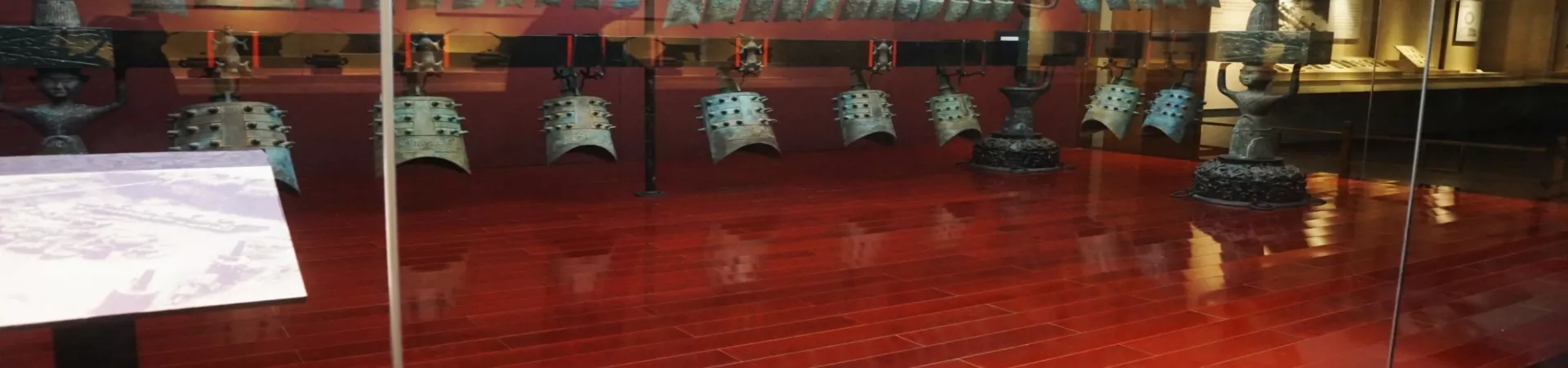
The Zenghouyi Chime Bells: This is undoubtedly the museum's most iconic treasure. This massive set consists of 65 bianzhong (bronze chime bells) meticulously arranged on a three-tiered lacquered frame. It is the largest, heaviest, best-preserved, and most complete set of ancient chime bells ever discovered in China. Their musical range spans over five octaves, and they can produce distinct dual-tone notes—a testament to extraordinary acoustic engineering and metallurgical skill from 2,400 years ago. Replicas are sometimes used for live performances that mesmerize audiences with ancient melodies.
The Bronze Ritual Vessels and Artifacts: The collection boasts a stunning array of bronze ware, including majestic ding tripods, intricately decorated zun wine vessels, and delicate mirrors. These items were not merely utilitarian; they were symbols of power, rank, and used in sacred state and ancestral rituals. The craftsmanship, seen in the detailed taotie (mythical beast) motifs, dragon patterns, and inlaid designs, represents the pinnacle of Bronze Age artistry in China.
The Lacquerware and Jade Objects: Beyond bronzes, the tomb yielded exceptionally preserved lacquerware, such as ornate coffins, food vessels, and furniture, showcasing vibrant red and black designs that have retained their brilliance. The jade collection, including ceremonial bi discs, pendants, and personal adornments, reflects the high status of the Marquis and the ancient Chinese belief in jade's protective and spiritual qualities in the journey to the afterlife.
IV. Planning Your Visit for an Optimal Experience
To fully appreciate the museum's offerings, a little preparation goes a long way. Here are some suggestions to maximize your time within its walls.
Suggested Itinerary: Allocate a minimum of 2 to 3 hours for your visit. Start with the main exhibition hall dedicated to the Marquis Yi of Zeng findings, where the chime bells are centrally displayed. Proceed to galleries detailing other archaeological discoveries in the Suizhou region to gain a broader historical context. Pay attention to the explanatory panels, which provide valuable insights into the function and significance of each artifact.
Visitor Facilities and Services: The museum is equipped with modern amenities to ensure visitor comfort. These typically include clean restrooms, a cloakroom for storing bags and coats, a gift shop where you can purchase replicas and books, and sometimes a café or rest area. Guided tours in Mandarin are often available at scheduled times, and audio guides in multiple languages may be offered—inquire at the information desk upon arrival.
Location and Accessibility: The Suizhou Museum is conveniently located within the city, making it easily reachable by taxi, public bus, or ride-hailing services. The building itself and its main exhibition spaces are designed to be accessible to visitors with mobility challenges. Its proximity to other cultural sites in Suizhou allows for easy integration into a fuller day of exploration in this historically rich city.