Jiukouyan Memorial Hall of the Fifth Division of the New Fourth Army
Subtitle: A Journey Through History: Honoring the Legacy of the New Fourth Army's Fifth Division at Jiukouyan
Introduction: The Setting and Significance of Jiukouyan
Nestled within the picturesque and historically rich landscape of Suizhou City, Hubei Province, lies the Jiukouyan Memorial Hall of the Fifth Division of the New Fourth Army. This site is far more than a museum; it is a hallowed ground, a tangible connection to a pivotal chapter in modern Chinese history. During the arduous years of the War of Resistance Against Japanese Aggression, the area around Jiukouyan served as a crucial base and command center for the Fifth Division, one of the main forces of the New Fourth Army. The memorial hall, established to preserve this legacy, stands as a profound testament to the resilience, strategic brilliance, and immense sacrifice of the revolutionary martyrs and the local populace who fought for national liberation. Visiting Jiukouyan is not merely an educational trip but an immersive experience into the heart of the revolutionary spirit that shaped the nation.
Historical Background: The Fifth Division's Crucible of War
The Strategic Importance of the Suizhou Region To understand Jiukouyan's role, one must first appreciate the strategic context of the Suizhou region during the war. Situated at the border of Hubei, Henan, and Anhui provinces, this area offered significant geographical advantages. Its complex terrain of mountains, hills, and forests provided natural cover for guerrilla operations, while its location allowed the New Fourth Army to threaten enemy lines of communication and establish connections with other anti-Japanese bases. Controlling this region was vital for sustaining the resistance effort in Central China.
Establishment and Struggles of the Fifth Division The Fifth Division of the New Fourth Army was formally established in 1941, born from the consolidation of various guerrilla forces in the Hubei-Henan border area. Under extremely challenging conditions—facing relentless pressure from Japanese forces and the blockade of the Kuomintang—the division, led by Commander Li Xiannian and other seasoned leaders, managed to grow and consolidate. Jiukouyan became the nerve center of this struggle. From here, the division commanded military campaigns, orchestrated political mobilization, and oversaw economic production to achieve self-reliance. The years spent at Jiukouyan were marked by fierce battles, severe hardships, but also by the unwavering determination to survive and fight back, making it a symbol of perseverance against overwhelming odds.
The Memorial Hall: Architecture, Layout, and Collections
Architectural Philosophy and Site Layout The memorial hall complex is designed with solemnity and reverence, harmonizing with the surrounding environment. The architecture often incorporates traditional local elements with modernist touches, symbolizing the connection between the people's struggle and its enduring modern significance. The layout typically guides visitors through a narrative journey, starting from introductory exhibits, moving through detailed historical phases, and culminating in spaces for reflection. Outdoor areas may include preserved or reconstructed historical structures, such as former command posts, barracks, or printing houses, set along tranquil paths that evoke the atmosphere of the era.
Permanent Exhibition Galleries and Key Artifacts The core of the visit lies in the meticulously curated permanent exhibitions. These are usually organized chronologically and thematically across several halls.
Gallery 1: The Outbreak of War and the Formation of the United Front This section sets the stage, detailing the Japanese invasion, the national crisis, and the formation of the Second United Front between the Communist Party and the Kuomintang. It explains the genesis of the New Fourth Army and its mandate to operate behind enemy lines.
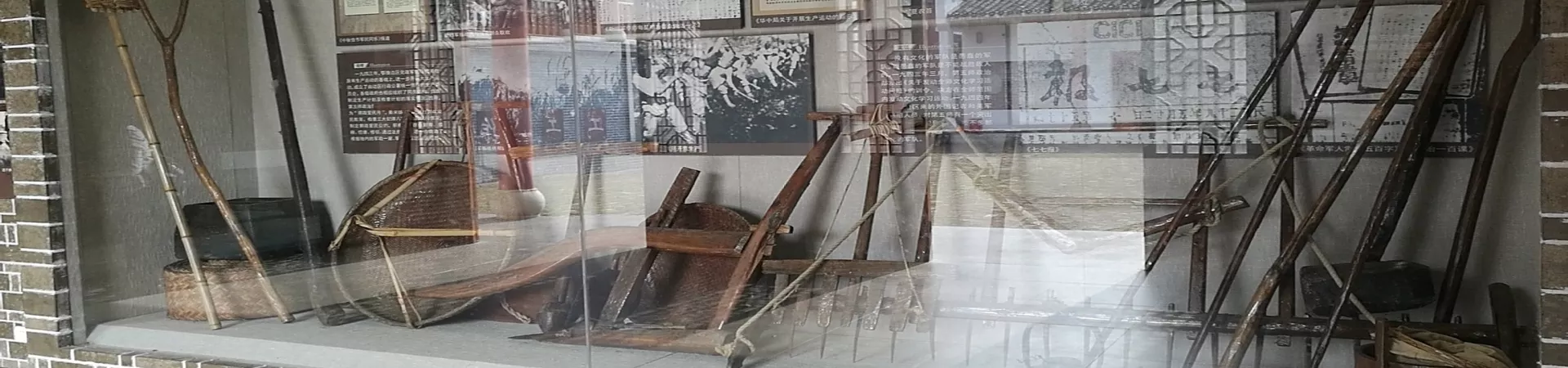
Gallery 2: Forging the Fifth Division in the Hubei-Henan Border Region Here, the focus narrows to the local struggle. Exhibits feature historical photographs, documents, and maps illustrating the consolidation of forces, the establishment of the Jiukouyan base, and the brutal "mopping-up" campaigns launched by the enemy. Artifacts like simple weapons, makeshift medical tools, and personal belongings of soldiers vividly convey the scarcity of resources and the intensity of the conflict.
Gallery 3: Military Campaigns and Guerrilla Warfare This gallery delves into military strategy. Detailed battle maps, tactical diagrams, and accounts of significant engagements showcase the division's adaptive guerrilla tactics. Displays of captured Japanese equipment stand in stark contrast to the rudimentary arms of the New Fourth Army, highlighting the disparity in resources and the ingenuity required to overcome it.
Gallery 4: Political Work, Mass Mobilization, and Base Construction Beyond warfare, this section highlights how the Fifth Division sustained itself. Exhibits cover the political education system for troops, the establishment of democratic governments in base areas, land policy, economic production drives (like the famous "Great Production Movement"), and cultural activities. It emphasizes the deep-rooted support from the local masses, which was the true foundation of the base's longevity.
Gallery 5: Victory, Legacy, and Commemoration The final galleries cover the division's role in the final counter-offensives, the eventual victory in 1945, and the subsequent contributions of its veterans to national construction. A central and deeply moving section is dedicated to the martyrs, often featuring a solemn wall of names, personal stories, and poignant relics, serving as a powerful reminder of the cost of freedom.
The Visitor Experience: Education and Reflection
Interactive and Multimedia Elements Modern memorial halls like Jiukouyan increasingly employ technology to enhance engagement. Carefully integrated multimedia installations—such as short documentary films, touch-screen interfaces with deeper historical layers, soundscapes of battle or daily life in the base, and panoramic projections—complement the physical artifacts. These elements help bridge the temporal gap, making history more accessible and emotionally resonant for visitors of all ages.
Educational Programs and Themed Activities The memorial hall functions as a vital national patriotic education base. It offers structured programs for student groups, including guided tours tailored to different educational levels, lectures by historians, and sometimes veteran testimony sessions. Themed activities around significant historical anniversaries, flag-raising ceremonies, and oath-taking events for Party members or Young Pioneers are common, transforming the site from a passive museum into an active space for learning and ideological cultivation.
Practical Information for Planning Your Visit
Location and Transportation The Jiukouyan Memorial Hall is located in [Specific Town/Village], Suizhou City, Hubei Province. Suizhou itself is accessible by high-speed rail and major highways. From Suizhou's city center, visitors can reach the memorial hall by tourist bus, taxi, or private car. The journey offers views of the rural Huabei landscape, setting a contemplative mood before arrival.
Opening Hours, Tickets, and Facilities The memorial hall generally operates from 9:00 AM to 5:00 PM, with possible closures on Mondays for maintenance. Admission is typically free or requires a nominal fee. It is advisable to check the official website or contact the venue for the latest information before your trip. On-site facilities usually include a visitor center, rest areas, clean restrooms, and sometimes a bookstore or gift shop selling historical literature and commemorative items.
Suggested Itinerary and Nearby Attractions A comprehensive visit to the memorial hall and its grounds usually requires 2 to 3 hours. To maximize the experience, consider combining the trip with other historical or cultural sites in Suizhou, such as the Suizhou Museum (famous for the exquisite bronze artifacts from the Tomb of Marquis Yi of Zeng) or the Dahongshan Scenic Area. This combination allows for a richer understanding of the region's deep historical tapestry, spanning from ancient civilization to modern revolutionary struggle.