Dahong Mountain
A Comprehensive Travel Guide to Suizhou's Da Hong Shan (Great Hong Mountain)
Subtitle: Exploring the Verdant Peaks, Ancient Temples, and Geological Wonders of Central China
1. Introduction to Da Hong Shan National Geopark Nestled in the heart of China's Hubei province, near the city of Suizhou, lies the expansive and ecologically rich Da Hong Shan (Great Hong Mountain) National Geopark. This destination is far more than a simple mountain range; it is a vast natural sanctuary encompassing dense primeval forests, unique karst geological formations, deep historical roots, and profound Buddhist cultural heritage. Designated as a National Geopark, the area is recognized for its significant scientific value and stunning scenic beauty. It serves as a perfect retreat for nature enthusiasts, hiking aficionados, history buffs, and spiritual seekers alike, offering a powerful antidote to the bustle of urban life with its serene atmosphere, exceptionally fresh air, and breathtaking panoramic vistas.
2. Key Attractions and Experiences 2.1. The Core Natural Landscape: Baohao Peak and the Golden Summit The undisputed centerpiece of Da Hong Shan is Baohao Peak, often referred to as the "Golden Summit." As the highest peak in the mountain range, reaching an elevation of approximately 1,055 meters, it is famously dubbed the "Number One Peak in Central China." The journey to the summit is an experience in itself, involving a scenic cable car ride or a challenging yet rewarding hike through lush vegetation. Upon reaching the top, visitors are greeted by the magnificent sight of the Golden Summit Temple complex seemingly floating above a sea of clouds. The sunrise and sunset views from this vantage point are truly spectacular, painting the sky and the endless rolling hills below in dramatic hues.
2.2. Spiritual and Cultural Heart: The Baohao Zen Temple Perched precariously on the pinnacle of Baohao Peak, the Baohao Zen Temple (Baohao Chansi) is an architectural marvel and a site of deep spiritual significance. With a history dating back over a thousand years to the Tang Dynasty, the temple complex appears to defy gravity, built directly onto the cliff face. It is a pivotal site in Chinese Buddhist history, particularly for the Zen (Chan) school. The tranquil ambiance, the sound of chanting and temple bells, and the intricate ancient architecture combine to create a profoundly peaceful and awe-inspiring experience, regardless of one's personal beliefs.
2.3. Geological Marvels: Karst Caves and Formations Beneath the verdant canopy, Da Hong Shan conceals a fascinating subterranean world. The geopark is characterized by its well-developed karst topography, featuring numerous caves, sinkholes, and strange rock formations. Two of the most famous caves are the Two-Headed Cave and the Mendong Cave. Exploring these caves reveals an alien landscape of stalactites, stalagmites, stone curtains, and underground streams, all illuminated in ethereal colors. These formations, sculpted by water over millions of years, tell a silent story of the earth's geological history.
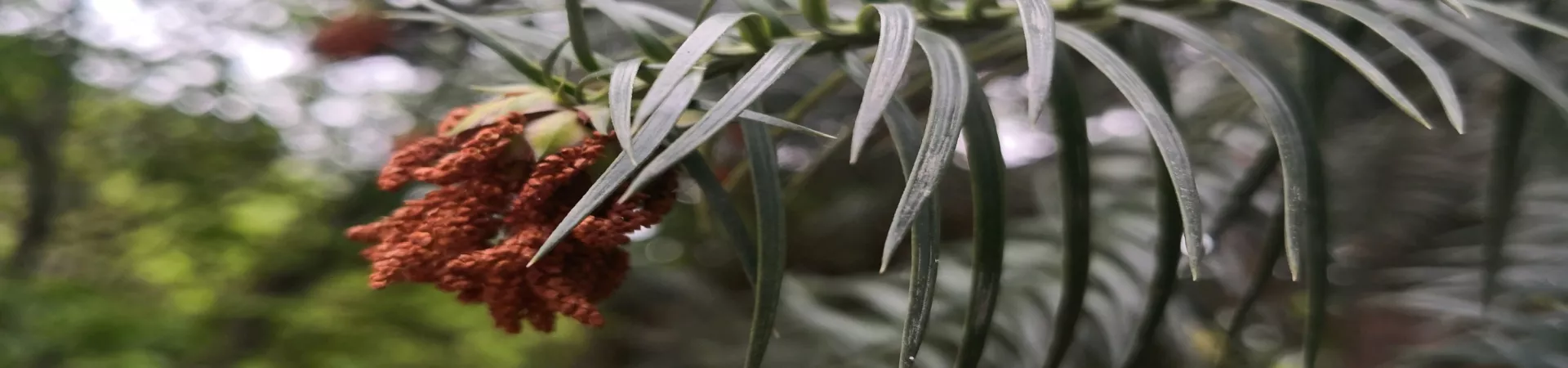
2.4. The Verdant Expanse: Primeval Forests and Biodiversity Over 90% of the Da Hong Shan area is covered by forest, much of it well-preserved primeval or secondary growth. This vast green lung is a biodiversity hotspot, home to thousands of species of plants, including rare orchids and ancient trees, as well as diverse wildlife such as birds, mammals, and insects. Hiking trails of varying difficulty wind through these forests, allowing visitors to immerse themselves in a natural symphony. The air is rich with oxygen and the scent of pine and earth, and the trails lead past ancient trees, babbling brooks, and secluded waterfalls like the elegant Bai Long (White Dragon) Waterfall.
3. Practical Visitor Information 3.1. Location and Access Da Hong Shan National Geopark is located within the administrative area of Suizhou City, Hubei Province. The most common access point is from Suizhou city proper. * By Public Transport: Travelers can take a long-distance bus from Suizhou's main bus station directly to the scenic area's tourist center at the mountain's base. The journey typically takes 1.5 to 2 hours. * By Private Vehicle: Driving offers the most flexibility. Navigate to "Da Hong Shan Fengjingqu" (Da Hong Shan Scenic Area). The mountain roads are well-paved but winding, requiring cautious driving. Parking is available at the main tourist center.
3.2. Operating Hours and Suggested Duration * Open Hours: The scenic area is generally open from 8:00 AM to 6:00 PM, seven days a week (Sunday through Saturday). It is crucial to confirm the latest hours, especially for the cable car and specific attractions, as they may vary seasonally or due to weather conditions. * Suggested Visit Duration: A minimum of 3 hours is required for a very brief visit, perhaps just to see one or two key spots via cable car. However, to truly appreciate the scale and beauty of Da Hong Shan, a full-day trip (6-8 hours) is highly recommended. For avid hikers or those seeking a more immersive retreat, an overnight stay in the area is ideal, allowing for exploration of multiple trails and experiencing the sunrise.
3.3. Ticketing and Contact * Admission: A comprehensive entrance ticket is required, which typically includes access to the core scenic zones. Separate fees usually apply for the cable car, sightseeing buses within the park, and some specific cave attractions. It is advisable to check the official pricing before your visit and consider purchasing combined tickets for cost savings. * Contact: For the most accurate, up-to-date information on tickets, weather, and trail conditions, you can contact the scenic area directly at +86 722 483 2353.
4. Planning Your Visit: Tips and Recommendations 4.1. Best Time to Visit Da Hong Shan presents distinct charms throughout the year. * Spring (April-May): Ideal for seeing blooming wildflowers and vibrant new greenery. Temperatures are mild. * Summer (June-August): An excellent escape from the lowland heat. The mountain forests are cool and lush, though this is also the rainy season, so be prepared for sudden showers. * Autumn (September-November): Arguably the best season. The forests transform into a breathtaking mosaic of red, orange, and yellow. The weather is stable, cool, and perfect for hiking. * Winter (December-February): Offers a chance to see frost- or snow-covered landscapes and spectacular rime ice on the trees. It can be very cold and icy, so appropriate gear is essential. Some facilities may have reduced hours.
4.2. What to Pack and Wear * Footwear: Sturdy, comfortable, and broken-in hiking shoes with good grip are non-negotiable for the often steep and uneven stone paths. * Clothing: Dress in layers to adapt to changing temperatures, which can be significantly cooler at the summit. A waterproof jacket is advisable. * Essentials: Carry sufficient water, high-energy snacks, sunscreen, a hat, and insect repellent. A camera is a must. * For Hikers: A basic first-aid kit, a physical or digital map of the trails, and a fully charged phone are recommended.
4.3. Accommodation and Dining While limited, accommodation options exist both inside the scenic area (such as guesthouses near the Golden Summit for sunrise views) and in towns at the mountain base. These range from basic lodgings to more comfortable hotels. Dining options are similarly straightforward, with local restaurants serving hearty Hubei cuisine, often featuring wild vegetables, bamboo shoots, and freshwater fish. It is wise to carry some snacks, especially for long hikes.