Lingquan Temple Scenic Area
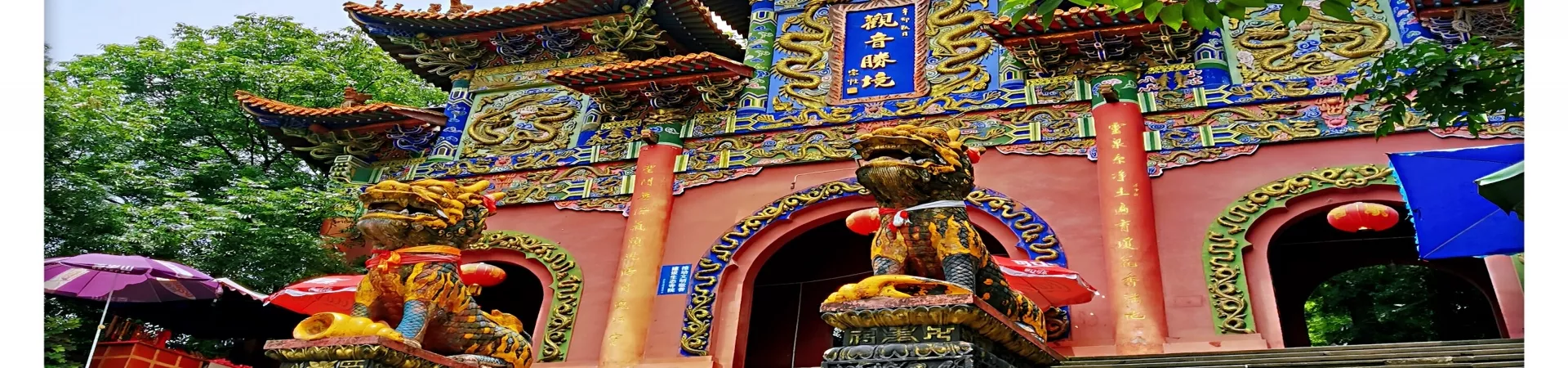
A Spiritual Oasis: Exploring Lingquan Temple Scenic Area in Suining
Nestled against the eastern slopes of Lingquan Mountain in Suining City, Sichuan Province, the Lingquan Temple Scenic Area stands as a profound testament to centuries of Buddhist faith and natural harmony. Directly across the Fu River from its famed counterpart, Guangde Temple, Lingquan Temple offers a distinct and deeply atmospheric journey. Its structures ascend the mountainside, seamlessly integrated into a lush landscape of ancient pines, cypresses, and verdant foliage. The temple's very name originates from a mystical spring found within the mountain—a pool of emerald-green water, sweet to the taste, that remarkably never overflows nor runs dry throughout the year. This "Divine Spring" (Ling Quan) is the soul of the complex, lending an aura of perpetual serenity and spiritual nourishment to the entire grounds.
The scenic area is thoughtfully organized into two primary sections: the Lower Temple and the Upper Temple. Each offers a unique progression through sacred art, architecture, and the tranquil beauty of the natural world.
Exploring the Lower Temple Complex
The Lower Temple serves as the introductory chapter to the Lingquan experience. Visitors typically begin their pilgrimage here, amidst courtyards and halls that exude a sense of grounded reverence.
The Grand Halls and Sacred Figures The architectural and spiritual centerpiece is the Great Buddha Hall (Daxiong Baodian), a majestic structure housing solemn Buddhist statues. Nearby, the Three-Faced Guanyin statue presents a powerful and compassionate visage, watching over devotees from multiple dimensions. The Heng-Ha Hall is guarded by the two formidable Nio kings, Heng and Ha, traditional protectors of temple gates, whose fierce expressions symbolize the subduing of evil spirits and negative forces.
Cultural Corners and Artistic Heritage Scattered throughout the lower slopes are sites that blend spiritual practice with cultural refinement. The Meishan Study (Meishan Shuwu) evokes the scholarly pursuits of past monks, while the Fanyin Pavilion offers a quiet spot for contemplation, its name hinting at the echoing of Buddhist chants. The Thousand-Dragon Wall is a remarkable feat of artistry, its intricate carvings depicting countless dragons in dynamic forms, symbolizing power, protection, and good fortune. The Teacher's Pagoda (Enshi Ta) stands as a respectful memorial to esteemed monastic teachers of the temple's history.
Ascending to the Upper Temple Sanctuary
A climb upwards—a physical and symbolic ascent—leads to the Upper Temple. This area feels more secluded, its attractions intertwined closely with the mountain's topography and legends, often dedicated to Guanyin, the Bodhisattva of Compassion.
Guanyin's Abode and Ancient Legends The Guanyin Pavilion and the Guanyin Hall are focal points for devotion, offering spaces for prayer and meditation dedicated to this beloved Bodhisattva. The Lingzhi Guanyin Pavilion is similarly significant, its name often associated with auspiciousness. The area is also home to living relics: the ancient Guanyin Cypress and the peculiarly shaped Flying Rainbow Cypress (Feihong Bai), trees whose twisted, enduring forms are themselves objects of veneration and symbols of resilience.
Historical Insights and Mystical Sites Beyond the main halls, the Upper Temple holds unique historical curiosities. The Three-Well (Sanyan Jing) is a site of practical and perhaps mystical water source. The Twenty-Four Filial Piety Diagrams depict traditional Chinese parables of extreme familial devotion, reflecting the Confucian values that often interweave with Buddhist practice in Chinese culture. Perhaps the most enigmatic site is the Yin-Yang Tomb (Yinyang Fen), a grave marked with the iconic taijitu symbol, whose story adds a layer of philosophical and folkloric intrigue to the mountain's narrative.
Essential Visitor Information
To facilitate a smooth and respectful visit, please note the following practical details.
Admission and Operating Hours The scenic area is open year-round from 8:30 AM to 5:00 PM, with last admission at 4:30 PM. Admission fees are structured as follows: a standard adult ticket is priced at 35 RMB, while students with valid identification can purchase a discounted ticket for 20 RMB.
Planning Your Visit Given the temple's hillside layout, visitors are advised to wear comfortable, sturdy walking shoes suitable for climbing stone steps and paths. The ascent between the Lower and Upper Temple provides beautiful, shaded vistas but requires a moderate level of mobility. The site is generally peaceful, with mornings on weekdays often being the least crowded. For any inquiries prior to your visit, you may contact the temple at 0825-2911123.
A journey through the Lingquan Temple Scenic Area is more than a sightseeing tour; it is an immersive passage through layers of spiritual history, artistic expression, and natural wonder. From the echoing chants near the Great Buddha Hall to the silent, enduring presence of the Divine Spring and the ancient trees on the upper slopes, every element conspires to create an atmosphere of profound peace, inviting quiet reflection and a deep appreciation for China's rich cultural and religious heritage.