Longfeng Wetland
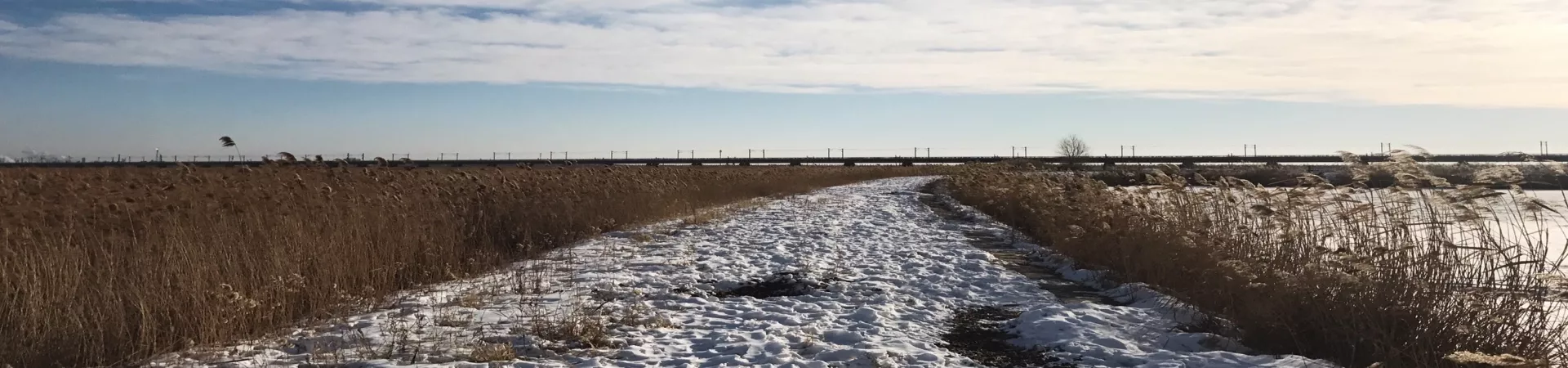
Subtitle: A Journey into the Heart of Northeast China's Ecological Treasure
1. Introduction: The Dragon and Phoenix of the Wetlands Nestled within the expansive Songnen Plain in Heilongjiang Province, the Longfeng Wetland (Dragon and Phoenix Wetland) of Suihua City stands as a magnificent testament to nature's resilience and beauty. Far more than a simple scenic area, it is a vast, complex ecosystem of international ecological significance. Often described as the "Kidney of the Songnen Plain" for its crucial water purification functions, and the "Natural Gene Bank" for its incredible biodiversity, Longfeng Wetland offers visitors a rare opportunity to step into a pristine world where water, grass, and sky merge into a harmonious panorama. This destination is not merely a sight to behold but an immersive experience into the quiet, pulsating heart of a wetland that plays a vital role in regional climate regulation, flood storage, and providing a sanctuary for countless species, including some of the world's most endangered migratory birds.
2. A Sanctuary for Biodiversity: Flora and Fauna 2.1. An Avian Paradise: The Star Attractions The true soul of Longfeng Wetland is its feathered inhabitants. It is renowned globally as a critical breeding ground and stopover point on the East Asian-Australasian Flyway. The wetland's name itself is derived from two of its most iconic and auspicious residents: the Red-crowned Crane (Grus japonensis), symbolizing longevity and elegance (often associated with the mythical crane, a proxy for the 'Phoenix'), and the Oriental Stork (Ciconia boyciana), a majestic large wading bird. Observing these rare species in their natural habitat is a profoundly moving experience. Beyond these celebrities, the reed beds and open waters teem with life, including various species of herons, egrets, swans, geese, and ducks. The air is often filled with their distant calls and the spectacular sight of flocks taking flight against the backdrop of a vast sky.
2.2. The Underlying Ecosystem: Plants and Aquatic Life The rich animal life is supported by a equally diverse and vital plant community. Expansive meadows of reeds and cattails form a swaying, green-to-golden sea that changes color with the seasons. These plants are the engineers of the wetland, stabilizing the soil and filtering water. Beneath the surface, the aquatic ecosystem thrives, with various fish species, amphibians, and invertebrates forming the foundational food web. This intricate interplay between flora and fauna creates a self-sustaining ecological wonder that visitors can witness firsthand from observation decks and boardwalks.
3. Practical Information for Visitors 3.1. Optimal Visiting Times and Duration To fully appreciate the wetland's dynamic beauty, timing is key. The landscape undergoes dramatic transformations throughout the year. * Spring (April-May): A season of renewal, marked by the return of migratory birds. It's a lively time for birdwatchers. * Summer (June-August): The wetland is at its most luxuriant, with vibrant green reeds and abundant wildlife. This is the peak season for ecological tourism and photography. * Autumn (September-October): Arguably the most visually stunning period. The reed beds turn into a breathtaking golden-brown, and the skies are filled with birds preparing for migration. The contrast of colors is spectacular. * Winter (November-March): The wetland dons a serene, snow-white blanket, offering a unique, silent beauty and opportunities for winter landscape photography.
A visit typically requires 1 to 3 hours to explore the main observation areas, walk the trails, and absorb the scenery. Serious photographers and birding enthusiasts may wish to allocate a half-day or more to capture the best light and wildlife activity.
3.2. Admission and Operating Hours One of the most appealing aspects of Longfeng Wetland is its accessibility. There is no admission fee to enter the reserve, making it an outstanding value for individuals, families, and educational groups. The general operating hours for visitor access are from 08:30 to 18:00, seven days a week, throughout the year. It is always advisable to confirm these times locally before your visit, as they can be subject to change due to weather conditions or special conservation activities.
4. Experiencing the Wetland: Activities and Etiquette 4.1. Recommended Activities and Exploration The primary activity is immersive observation. Well-designed wooden boardwalks and observation towers allow visitors to venture deep into the wetland without disturbing the delicate environment. Bring binoculars or a telephoto lens for close-up views of wildlife. Photography is, of course, a major draw. The vast, open landscapes provide magnificent opportunities for panoramic shots, especially during sunrise and sunset when the light paints the reeds and water in stunning hues. Simply walking the paths and breathing in the fresh, clean air is a therapeutic experience in itself.
4.2. The Imperative of Responsible Tourism As a protected ecological zone, visitor conduct is paramount. The core principle is to minimize human impact. This means staying on designated paths and boardwalks at all times. Do not attempt to enter restricted areas or trample on vegetation. Loud noises can distress wildlife, so maintaining a quiet demeanor is encouraged. It is absolutely forbidden to litter; all waste must be carried out. Most importantly, do not feed or attempt to approach the animals. Respecting these guidelines ensures that Longfeng Wetland remains a pristine sanctuary for its inhabitants and a treasure for future generations of visitors. By being a conscientious guest, you contribute directly to the conservation of this irreplaceable natural heritage.