Folk tourism village
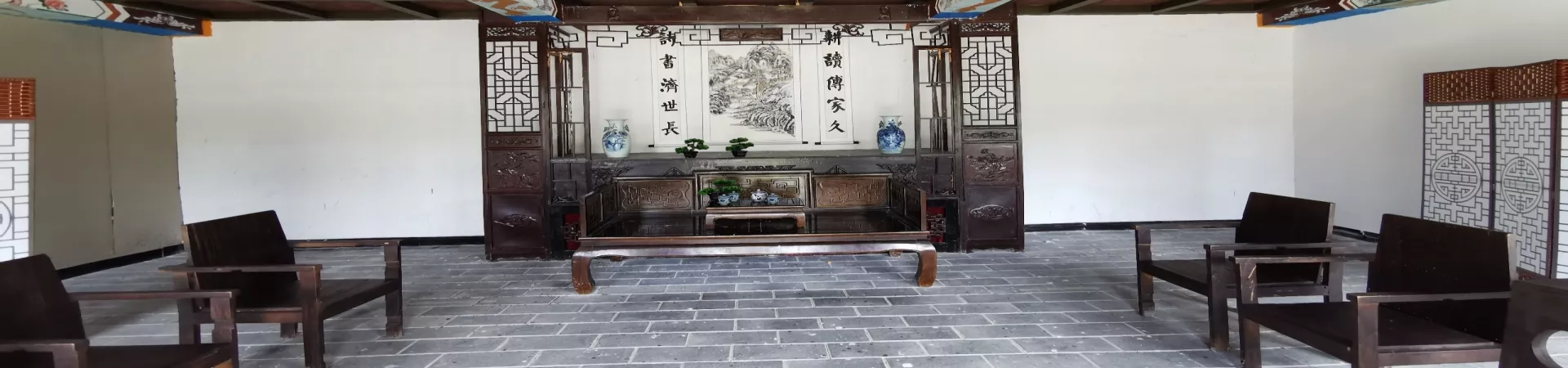
Subheading: A Journey into the Heart of Northeast China's Folk Culture
Introduction: The Rustic Charm of Suihua
Nestled within the expansive and fertile plains of Heilongjiang Province in Northeast China lies the city of Suihua. While it may be renowned as a key agricultural hub, often called the "Granary of the North," Suihua holds a cultural treasure that offers a profound contrast to its modern agricultural identity: the Suihua Folk Culture Village. This destination is not merely a tourist attraction; it is a living, breathing portal into the rich tapestry of traditions, customs, and daily life that have defined this region for generations. For the discerning traveler seeking an authentic experience beyond the well-trodden paths of major metropolises, a visit to this village is an immersion into the resilient and warm-hearted spirit of Northeast China's folk heritage. It is a place where the rhythms of life are dictated by the seasons, where ancient crafts are kept alive by skilled hands, and where every architectural detail tells a story of adaptation and community.
Section 1: Experiencing the Architectural Heritage and Village Life
1.1. Traditional Dwellings: A Study in Practicality and Craftsmanship The physical landscape of the Folk Culture Village is its most immediate storyteller. The village meticulously recreates the traditional architectural styles of the region, primarily focusing on the Han Chinese folk dwellings that evolved to withstand the harsh, long winters. Visitors will encounter courtyard homes (siheyuan adaptations) and standalone structures characterized by their distinctive sloped roofs, designed to shed heavy snow. The use of locally sourced materials—wood, compacted earth, and rice straw—speaks to a deep connection with the land. Stepping inside, one finds a world organized around family and functionality: the heated kang (a brick bed warmed by a stove) serving as the heart of the home for warmth, dining, and socializing; intricate paper-cut window decorations (chuanghua) filtering the sunlight; and hand-woven textiles adding color and warmth. These homes are not static museums but dynamic spaces where visitors can witness, and sometimes participate in, the domestic life of a bygone era.
1.2. The Village Square: The Community's Beating Heart At the center of the village life lies the communal square. This open space serves as the stage for the village's social and cultural pulse. It is here that communal activities, from daily chores to festive preparations, become public spectacles. You might observe elders sharing stories, children playing traditional games, or villagers engaged in collective tasks like grain winnowing or tool maintenance. The square embodies the collective spirit crucial for survival and prosperity in traditional agricultural societies, offering a tangible sense of community often elusive in modern urban settings.
Section 2: Immersion in Traditional Crafts and Folk Arts
2.1. Hands-On Craftsmanship: From Paper-Cuts to Embroidery The Suihua Folk Culture Village places a strong emphasis on the preservation of intangible cultural heritage through interactive experiences. Artisan workshops are integral to the visit. * Paper-Cutting (Jianzhi): This delicate art form, often using bold red paper, is a signature craft. Under the guidance of master artisans, visitors can learn to cut intricate patterns symbolizing good fortune, harvest, and happiness, gaining appreciation for the steady hand and symbolic language embedded in this art. * Embroidery and Textile Work: The practical need for warm clothing transformed into a vibrant folk art. Traditional techniques, often featuring motifs inspired by local flora and fauna, are showcased. Visitors can see the creation of padded jackets, shoes, and decorative items, each stitch reflecting a blend of necessity and aesthetic expression. * Pottery and Woodworking: Utilizing the region's natural resources, potters and woodworkers demonstrate age-old techniques for creating everyday utensils, tools, and decorative items. These crafts highlight the ingenuity of creating self-sufficient livelihoods from the immediate environment.
2.2. Performing Arts: The Rhythm and Melody of Folk Expression Beyond static arts, the village comes alive with performances that engage the ears and the soul. * Errenzhuan: This iconic performing art of Northeast China, a lively mix of singing, dancing, acting, and acrobatics, is a centerpiece. Its humorous, down-to-earth storytelling, often performed in the local dialect, provides hilarious and insightful glimpses into rural life and folklore. * Folk Songs and Instrumentals: The soulful melodies of haozi (work songs) that once coordinated labor in the fields, or the spirited tunes played on traditional instruments like the suona (double-reed horn) or erhu (two-stringed fiddle), fill the air during festivals and gatherings, connecting the present to the auditory landscape of the past.
Section 3: Seasonal Festivals and Culinary Traditions
3.1. The Festival Calendar: Living Traditions The true essence of the folk village is magnified during traditional festivals. Visiting during these times offers an unparalleled experience. * Spring Festival (Chinese New Year): The village erupts in a cacophony of joy. Activities include making and eating jiaozi (dumplings), pasting Spring Festival couplets, setting off firecrackers, and attending temple fairs. The emphasis on family reunion and ushering in good luck is palpable. * Lantern Festival: The first full moon of the lunar year is celebrated with displays of handmade lanterns, riddle guessing, and eating sweet glutinous rice balls (yuanxiao). * Harvest Festivals: In autumn, celebrations give thanks for the bounty. Activities may include demonstrations of traditional harvesting methods, food offerings, and special performances praising the fruits of labor and the generosity of the earth.
3.2. A Taste of the Black Earth: Local Gastronomy No cultural immersion is complete without tasting the local cuisine. The culinary offerings here are hearty, flavorful, and born of the land. * Staple Foods: Expect robust dishes featuring wheat, corn, and potatoes. Hand-pulled noodles, steamed buns (mantou), and cornbread are staples. * Signature Dishes: "Suihua Barbecue" has gained fame, featuring various marinated meats and vegetables grilled over charcoal. Hearty stews, pickled vegetables (paocai) essential for the winter months, and dishes utilizing wild mushrooms and herbs from the nearby forests are common. * Dining Experience: Meals are often served in a communal style, reflecting the village's spirit. Visitors might dine in a recreated traditional home, sharing dishes that tell a story of survival, seasonal adaptation, and culinary ingenuity.
Section 4: Practical Information for the Visit
4.1. Planning Your Trip and Making Inquiries To fully enjoy the Suihua Folk Culture Village, some practical planning is advised. The village experience varies greatly with the seasons, with each offering a different perspective—from the lush greenery and farming activities of summer to the stark, beautiful snowscapes and indoor-focused cultural practices of winter. It is highly recommended to check the schedule for specific craft demonstrations, Errenzhuan performances, or special festival events ahead of your visit. For the most current information regarding opening hours, ticket prices, event calendars, and any specific visitor guidelines, you can contact the village administration directly.
Contact Number for Inquiries: 0455-5637408
4.2. Engaging Respectfully with Culture As a visitor to this living cultural repository, mindful engagement is key. Observe and participate with respect for the artisans and performers. Asking questions about the crafts and traditions is encouraged, as it shows genuine interest. Purchasing hand-made souvenirs directly from the artisans not only provides you with a unique memento but also contributes to the sustainability of these traditional skills. Remember, you are a guest in a space dedicated to preserving a way of life; your respectful curiosity is the greatest compliment to its guardians.