Shanxi Yingxian Wooden Pagoda Scenic Area - Buddha Temple Shakyamuni Pagoda
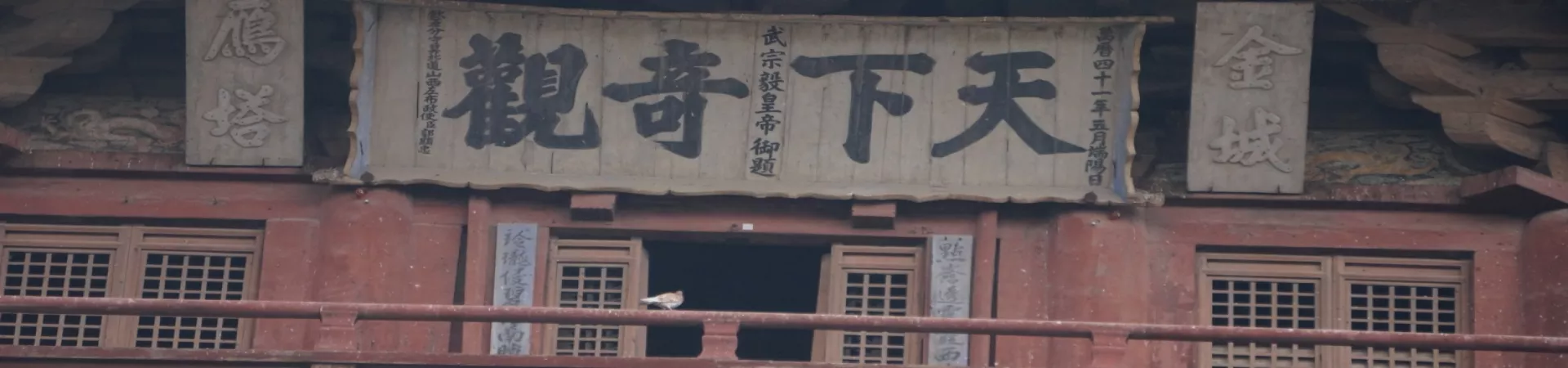
Discovering the Splendor of Ying County Wooden Pagoda Scenic Area - The Sakyamuni Pagoda at Fogong Temple
Introduction: Nestled in the county town, the Sakyamuni Pagoda at Fogong Temple stands as the epitome of architectural marvel, earning its distinction as one of the world's three great pagodas. Erected in the second year of Liao Qingning, this wooden pagoda has transcended time, soaring to a height of 67.31 meters with a base diameter of 30 meters. Its six eaves and eight sides create a layered, octagonal tower, making it the oldest surviving wooden pagoda in China.
Historical Significance: Constructed during a bygone era in 1056 AD, the Sakyamuni Pagoda at Fogong Temple holds the essence of ancient craftsmanship and spiritual devotion. Its towering presence has withstood the test of time, weathering over nine centuries of historical turbulence, including earthquakes, storms, and even the impact of cannon fire during various conflicts.
Architectural Grandeur: The pagoda's architectural splendor lies in its intricate wooden structure, standing testament to the ingenuity of ancient builders. With a mesmerizing octagonal design and a series of tiered pavilions, each level of the pagoda reveals unique wooden bracketing, creating a harmonious blend of stability and grace.
Cultural and Spiritual Hub: The Fogong Temple, housing the Sakyamuni Pagoda, serves as a cultural and spiritual hub. The pagoda interior features stunning Buddha statues, including the monumental 11-meter-tall Sakyamuni Buddha on the ground level. As visitors ascend through the wooden staircases, they encounter exquisite murals depicting celestial beings, disciples, and scenes from Buddhist scriptures—a journey that intertwines history, spirituality, and artistic expression.
Visiting Practicalities: For those eager to explore this cultural gem, the Ying County Wooden Pagoda Scenic Area welcomes visitors from 8:00 AM to 5:30 PM daily, with the last admission at 5:00 PM. The entrance fee for regular visitors is 50 Chinese Yuan, offering a gateway to an unparalleled experience of ancient Chinese architecture and Buddhist artistry.
Conclusion: The Sakyamuni Pagoda at Fogong Temple in Ying County stands as a beacon of China's rich cultural heritage. Its majestic wooden form and spiritual significance beckon travelers to immerse themselves in the allure of a bygone era. As you traverse the wooden corridors and gaze upon the ancient murals, envision the profound history etched into the grain of each wooden beam. A visit to this remarkable site promises not just a journey through time but an encounter with the enduring spirit of Chinese civilization.