Kill Tiger Mouth Great Wall
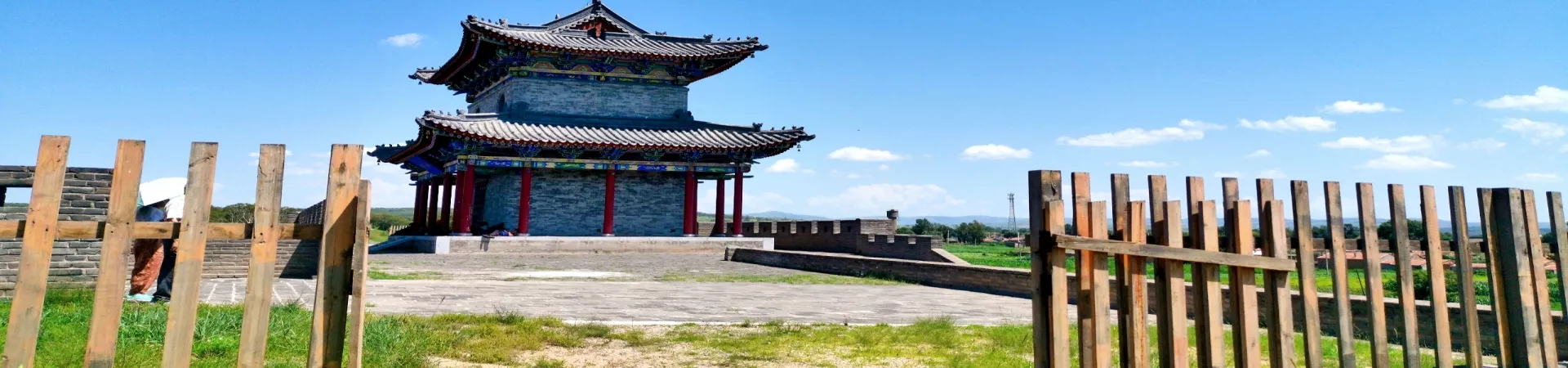
Subtitle: Where History Whispers on the Wind: Exploring the Strategic Pass of Shahu Kou
Introduction: The Gateway of Stone and Legend
Nestled amidst the rugged landscapes of Shuozhou City in northern Shanxi Province, the Shahu Kou Great Wall stands not merely as a silent sentinel of stone and earth, but as a profound narrator of centuries of conflict, commerce, and cultural exchange. Its name, translating evocatively to "Pass of the Tiger Slayer," hints at its formidable past. This ancient fortress complex represents far more than a section of the Great Wall; it was a critical choke point, a designated "Western Gate" of the Ming Dynasty, guarding the very frontier between agricultural Han Chinese civilization and the nomadic cultures of the northern steppes. For modern visitors, a journey here is a journey into the visceral heart of China's frontier history, where the winds seem to carry echoes of marching soldiers, bustling merchant caravans, and the complex tapestry of life at the empire's edge.
I. A Strategic Linchpin in Imperial Defense
1.1 The Ming Dynasty's Northwestern Bulwark During the Ming Dynasty (1368-1644), the threat from Mongol tribes to the north necessitated an unprecedented fortification of the borders. The Great Wall system was massively reinforced and expanded. Within this grand strategy, Shahu Kou was assigned paramount importance. It was officially recognized as one of the key passes along the Ming's "Nine Defense Towns" system, specifically under the Datong Town jurisdiction. Its location was strategically selected to control a vital corridor through the mountains, making it a primary target for invasions and, consequently, a cornerstone of imperial defense.
1.2 Architecture of Warfare and Control The remnants visible today eloquently speak of its military purpose. The pass was designed as an integrated defensive complex: * The Twin Pass Gates: The core of Shahu Kou featured two imposing gate towers—the "Ping Shuo Gate" on the inner side and the "Sha Hu Gate" on the outer, northern side—creating a lethal kill zone for any force that breached the first gate. * Walls and Battlements: Snaking along the dramatic ridges, the wall itself, constructed from locally quarried stone and rammed earth, showcases classic features like crenellated parapets, watchtowers for signaling, and strategic platforms for artillery and archers. * The "Kill Box" Design: The entire layout, from the winding approach to the double-gate system, was a masterpiece of defensive geometry, intended to funnel and trap attacking forces under a withering crossfire from the walls above.
II. From Battlefield to Trading Hub: The Dual Life of the Pass
2.1 Centuries of Conflict The stones of Shahu Kou are steeped in the memory of countless battles. From the Ming campaigns against the Mongols to later conflicts, it was a frequent flashpoint. The very name legendarily originates from a Ming general's fierce defense against a Mongol attack. Each siege and skirmish added layers to its reputation as a place of valor and desperation, a testament to the relentless struggle for control of the frontier.
2.2 The Tea Road and Silk Road Northern Artery Perhaps more fascinating than its military role was its transformation during periods of peace. Shahu Kou was a major node on the ancient Tea Road, a vital trade artery connecting the tea-producing regions of southern China to Russia and Europe via Mongolia. It also served as a critical northern branch of the Silk Road. * A Conduit of Commerce: Caravans laden with tea, silk, porcelain, and spices would pass through its gates heading north, returning with horses, furs, and other goods from the steppes. * Cultural Crossroads: This constant flow of goods and people made Shahu Kou a vibrant cultural melting pot. It facilitated not only economic exchange but also the subtle blending of customs, technologies, and ideas between Han Chinese, Mongol, and other ethnic groups, shaping the unique character of the region.
III. Experiencing Shahu Kou Today: A Visitor's Perspective
3.1 The Landscape of History Visiting Shahu Kou today is an immersive experience. The atmosphere is markedly different from the restored, crowd-filled sections of the Great Wall near Beijing. Here, a sense of raw history prevails. * The Immense Sky and Rolling Hills: The site is framed by the vast, open skies of Shanxi and the rolling, loess-covered hills, emphasizing the isolation and strategic oversight the pass once commanded. * Weather-Worn Grandeur: Much of the wall and the pass structures remain in a state of evocative ruin—crumbling, weathered, and reclaimed by hardy grasses. This authenticity allows the imagination to roam freely, picturing the scene in its heyday.
3.2 Key Structures and Vistas While exploring, several focal points command attention: * The Gate Ruins: Standing before the remnants of the massive gateways, one can gauge the scale and strength of the barrier. The archways, though worn, still frame the northern landscapes just as they did for centuries. * The Wall's Ascent: Walking along the wall as it climbs the ridges offers both a physical challenge and breathtaking panoramic rewards. The view from a watchtower encompasses the serpentine path of the wall and the ancient route it protected. * The Nearby Garrison Town: The remnants of the old garrison town of Youyu (formerly known as Shuoping Bao) nearby provide context. Its streets and old buildings hint at the civilian and military community that supported this frontier outpost.
IV. Preservation and Reflection
4.1 The Challenges of Time The current state of Shahu Kou highlights the ongoing battle between preservation and decay. Exposure to harsh winds, erosion, and the passage of time continues to wear at the structure. Efforts are being made to stabilize the ruins, but the philosophy often leans towards conservation rather than full reconstruction, maintaining its authentic, historic character.
4.2 A Monument to Human Endeavor Ultimately, Shahu Kou serves as a powerful monument to human endeavor—in both its destructive and constructive aspects. It symbolizes the immense cost of building and defending an empire, the ingenuity of military architecture, and the undeniable human drive to connect and trade across even the most fiercely guarded boundaries. It stands as a silent witness to the fact that frontiers are not just lines of division but also spaces of dynamic interaction.