Jingtu Temple
Exploring the Rich History of Jingtu Temple in Datong
Introduction: Nestled in the northeastern corner of Ying County in Shanxi Province, Jingtu Temple stands as a testament to China's rich cultural heritage. With a history spanning over 860 years, the temple has witnessed centuries of change, preserving the essence of ancient architecture and spiritual devotion.
Historical Background: Founded in the second year of the Jin Tianhui era (1124) by the monk Shanxiang, and later reconstructed in the twenty-fourth year of the Jin Dading era, Jingtu Temple has been a spiritual haven for practitioners and a cultural treasure for enthusiasts. Despite the challenges of time, the temple's main hall, the Daxiong Baodian (Great Hero Hall), remains a remarkable example of Jin Dynasty architecture.
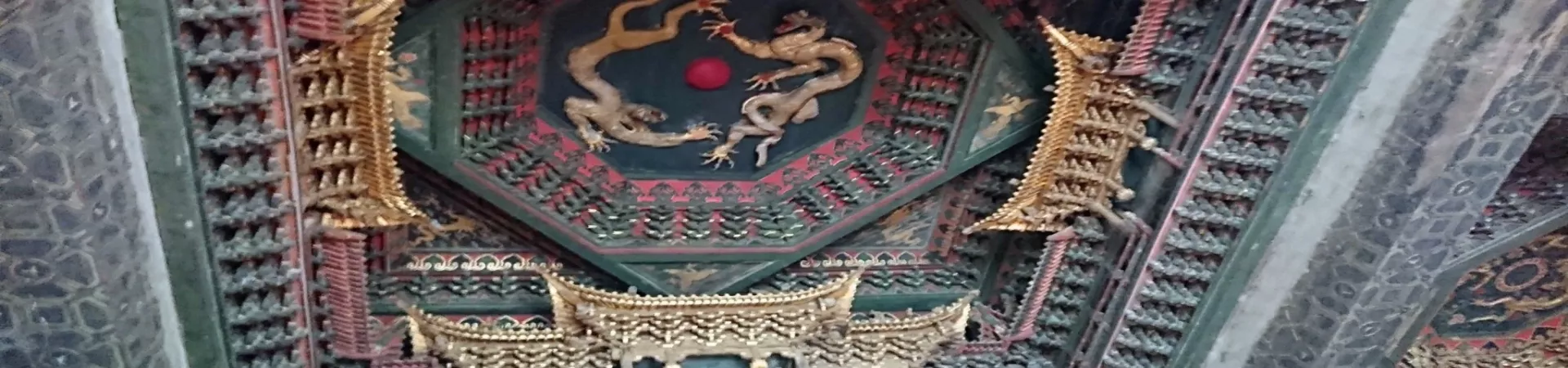
Architectural Marvel: The Daxiong Baodian, serving as the primary hall, boasts a square plan with a deep and broad structure. The highlight of this architectural gem lies in its magnificent wooden brackets, featuring nine intricately carved coffered ceilings. Of special note are the exquisite wooden brackets showcasing a unique blend of craftsmanship and artistic expression. The central coffered ceiling, adorned with depictions of heavenly palaces and towers, stands as a testament to the skill of Jin Dynasty artisans.
Cultural Significance: Beyond its architectural splendor, Jingtu Temple holds cultural significance. The temple once housed numerous halls and courtyards, with the Daxiong Baodian being the only remaining structure from the original complex. The temple played a pivotal role in the local community and spiritual life, a fact underscored by the exquisite murals and sculptures that adorned its walls.
Visiting Practicalities: While the majority of the temple complex was unfortunately dismantled during the Cultural Revolution, the Daxiong Baodian remains open for exploration. Visitors can experience the serene atmosphere of this historic site daily from 8:00 AM to 7:00 PM. The temple does not have a fixed entrance fee; instead, contributions to the caretaker are appreciated.
Local Legends and Lore: In the surrounding areas, stories echo of another temple named Jingtu in JieXiu City. Though it has faced the ravages of time and neglect, the remnants of this temple still stand, a silent witness to the passage of centuries.
Conclusion: Jingtu Temple in Ying County serves as a cultural anchor, bridging the gap between the ancient Jin Dynasty and contemporary times. Visitors can explore the intricate wooden architecture, delve into the spiritual ambiance, and contemplate the resilience of China's cultural legacy against the currents of history. In the shadow of its coffered ceilings and weathered walls, Jingtu Temple invites all who visit to connect with the enduring spirit of Shanxi's past.