Zijin City
Subtitle: The Forbidden City of the Heavens: Unveiling Zijingcheng, the Imperial Walled Sanctuary atop Wudang Mountain
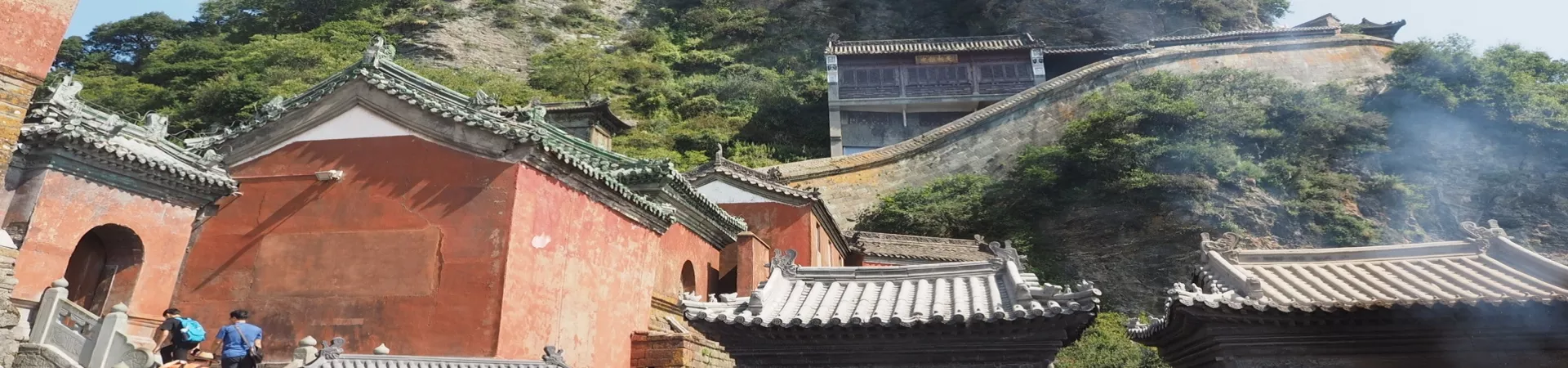
1. Introduction: A Celestial Fortress Nestled amidst the ethereal peaks of the Wudang Mountains in Shiyan, China, lies a monument of profound spiritual significance and architectural audacity: Zijingcheng, the "Purple Gold City." Also historically known as the "Imperial City" or "Red City," this is not a palace for mortal emperors, but a sacred fortress built for a deity. Encircling the very summit of Tianzhu Peak (the "Heavenly Pillar Peak"), its imposing walls seem to defy gravity, cradling the legendary Golden Hall within. Constructed by order of the Yongle Emperor (Zhu Di) of the Ming Dynasty in 1419, Zijingcheng represents the zenith of imperial patronage of Taoism and stands as a breathtaking embodiment of the fusion between celestial ideology and terrestrial power. It was conceived as nothing less than the earthly counterpart to the celestial capital of the Taoist pantheon—a "Jade Capital" on earth for the revered deity, Zhenwu the Perfected Warrior, mirroring the Forbidden City (Zijincheng) in Beijing, the emperor’s own divine residence.
2. Architectural Grandeur and Symbolic Design The construction of Zijingcheng was a feat of engineering that harmonized with the mountain's sacred geography. Its primary function was to demarcate and protect the ultra-holy ground surrounding the Golden Hall, creating a ritual boundary between the mundane world and the divine realm.
2.1. The Imposing Ramparts The walls, built from massive, locally quarried stone blocks, follow the perilous contours of the cliff tops. They are not rectilinear like their Beijing counterpart but adapt fluidly to the natural rock formations, creating an organic, fortified crown for the mountain. The construction technique, utilizing a combination of precise stonework and traditional methods suited to the precipitous terrain, has ensured its resilience against centuries of harsh mountain weather. Walking along its parapets, visitors are treated to awe-inspiring, vertiginous views of the Wudang range, a constant reminder of the city’s exalted position between heaven and earth.
2.2. The Four Celestial Gates Integral to its symbolic design are the four "Heavenly Gates" (Tianmen) built into the walls at the cardinal directions. Each gate is a magnificent stone structure, meticulously carved to imitate wooden architecture, complete with brackets, beams, and tiled roofs. These gates symbolize the gates to the celestial court, the "Heavenly Que." However, in a powerful metaphor for the arduous path to enlightenment, three of these gates are virtually inaccessible. The East, North, and West Gates open directly onto sheer, impassable cliffs, representing the hidden and inaccessible paths of the divine. True passage is deliberately channeled and ritualized.
3. The Southern Heavenly Gate: A Portal of Hierarchies The sole functional entrance is the Southern Heavenly Gate (Nantianmen), which faces the primary ascent route. This gate complex is a masterpiece of religious and social symbolism, physically manifesting the hierarchical cosmology of the Ming world. It is subdivided into three distinct portals, each designated for a different class of being.
3.1. The Divine Gate (Shenmen) The central and most imposing portal is the Divine Gate. This was the sacred conduit reserved exclusively for the emissaries of heaven on earth—the Ming emperors and their appointed envoys. Throughout the Ming Dynasty, following the precedent set by the Yongle Emperor, every new sovereign would dispatch a high-ranking imperial commissioner to Wudang to pay homage to Zhenwu, affirming the dynasty's divine mandate. These commissioners would ascend the mountain and, in a powerful ritual act, pass through this majestic central archway to perform ceremonies at the Golden Hall. The gate’s grandeur underscores the direct link between imperial authority and divine sanction.
3.2. The Ghost Gate (Guimen) To the left of the Divine Gate (as one faces it) stands the Ghost Gate. This portal is an architectural illusion; it possesses the full form of a gate—an arched opening framed by stone—but is solidly walled up at the back. It serves as a symbolic passage for spirits and supernatural entities, a reminder of the unseen realms that coexist with the visible world. Its sealed nature indicates the boundary that separates the orderly divine realm from the chaotic spirit world, a boundary not to be crossed by the living.
3.3. The Human Gate (Renmen) Flanking the Divine Gate on the right is the Human Gate. This is the gateway for all mortal pilgrims and visitors. Significantly smaller and less ornate than the central Divine Gate, it represents the humble path of humanity seeking audience with the divine. Every step through this gate marks a transition from the profane to the sacred. Today, as for centuries, it is through this modest arch that travelers from all walks of life conclude their pilgrimage, entering the hallowed precinct to stand before the shimmering Golden Hall.
4. The Sacred Core: The Golden Hall While Zijingcheng forms the protective enclosure, its heart and raison d'être is the world-renowned Golden Hall (Jindian) situated at the very apex of Tianzhu Peak. Enshrined within, the magnificent, gilded bronze statue of Zhenwu the Perfected Warrior sits in eternal meditation. The hall itself, an exemplar of Ming metalworking and architectural genius, was cast in Beijing as a single unit before being transported over immense distances and installed on the summit. The walls of Zijingcheng frame this masterpiece, focusing all attention and spiritual energy inward toward this central object of veneration. The city’s design ensures that the final approach to the deity is controlled, solemn, and steeped in anticipation, making the eventual sight of the hall through the courtyard a moment of profound impact.
Thus, Zijingcheng is far more than a defensive wall; it is a meticulously coded landscape of belief. Its gates orchestrate movement according to cosmic principles, its walls define a liminal space between earth and sky, and its very existence proclaims the Ming vision of a harmonious empire under heavenly protection. It remains a powerful testament to an era where architecture, faith, and imperial power were seamlessly interwoven to create a sanctuary in the clouds.