Yuxu Palace
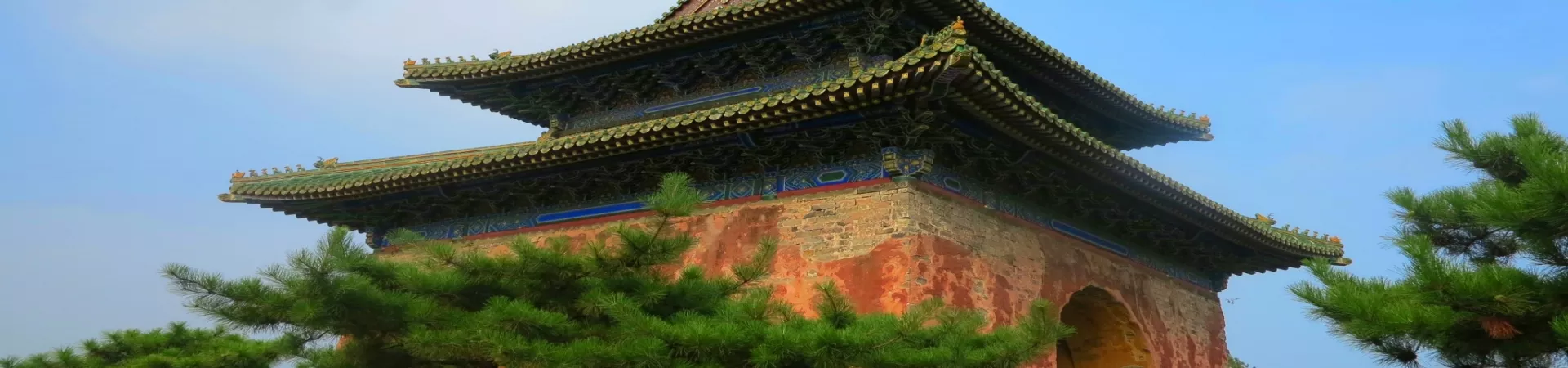
Subtitle: A Journey into the Heart of Taoist Culture: The Yuxu Palace of Wudang Mountains
Introduction: The Architectural Testament to a Legend
Nestled at the foot of the legendary Wudang Mountains in Shiyan City, Hubei Province, the Yuxu Palace (Jade Void Palace) stands not merely as a tourist site but as a profound portal into China's rich philosophical and spiritual history. While often overshadowed by the more famous Golden Summit, Yuxu Palace is, in fact, the architectural and historical cornerstone of the entire Wudang complex. Its sprawling ruins and restored halls whisper tales of imperial ambition, divine legend, and a pursuit of harmony that defined an era. Originally constructed under the decree of the Ming Dynasty Emperor Yongle in the early 15th century, this vast monastic complex was built to honor Zhenwu, the Perfected Warrior, a central deity in Taoist mythology. The palace was designed to be the administrative and logistical center for the construction of the other Wudang temples, earning it the title "the Forbidden City of Taoism." A visit here is less about seeing a single, pristine building and more about immersing oneself in the majestic scale of a sacred city, feeling the weight of history amidst its weathered stones, and understanding the cosmological vision that ordered its every brick and beam.
Section 1: Historical Significance and Mythological Origins
1.1 The Imperial Mandate and Architectural Ambition The story of Yuxu Palace is inextricably linked to the Ming Emperor Yongle. Following his ascension to the throne, he launched one of the most ambitious architectural projects in Chinese history: the construction of a unified temple complex across the Wudang Mountains. Yuxu Palace was conceived as the headquarters for this monumental endeavor. It served as the residence for imperial envoys, engineers, and over 200,000 laborers. The scale was intentionally designed to reflect imperial power and divine sanction, with its layout mirroring the celestial order. For nearly twelve years, it was a bustling hub of activity, coordinating the building of roads, bridges, and over 30 temple clusters that dot the mountains, effectively transforming the entire range into a vast, integrated expression of Taoist philosophy and imperial authority.
1.2 The Legend of Zhenwu and the "Jade Void" The name "Yuxu" (Jade Void) itself is deeply symbolic, originating from Taoist cosmology. It refers to the pure, transcendent realm where the deity Zhenwu achieved enlightenment before his ascension. According to legend, Zhenwu, a prince who abandoned his royal life to cultivate the Tao on Wudang Mountain, underwent profound purification and meditation in a mythical place called the Jade Void. By naming this central palace after his place of enlightenment, the builders established a direct symbolic link between the physical site and the divine journey. Thus, the palace grounds are considered a terrestrial counterpart to a celestial paradise, a place where the earthly and the sacred intersect.
Section 2: Exploring the Layout and Key Structures
2.1 The Grand Courtyard and Its Symbolic Design Entering the palace grounds, visitors are immediately struck by the immense courtyard, one of the largest of its kind in any Chinese temple complex. This vast, open space, flanked by remnants of covered corridors, sets a tone of solemn grandeur. The layout strictly follows traditional Chinese geomancy (feng shui) and Taoist principles of symmetry and alignment, with major halls positioned along a central north-south axis, representing the path to spiritual attainment.
2.2 The Dragon and Tiger Hall (Longhu Dian) Among the most impressive and well-preserved structures is the Dragon and Tiger Hall. This hall is a masterpiece of Ming-era architecture, featuring towering red walls, sweeping double-eaved roofs adorned with intricate ceramic figurines, and massive wooden pillars. It derives its name from the Taoist concept of balancing opposing forces: the Green Dragon of the East representing yang, and the White Tiger of the West representing yin. The hall's resilience, having survived centuries of weathering, offers a tangible connection to the palace's former glory and serves as a prime example of the exceptional craftsmanship mandated by the imperial court.
2.3 The Remnants of the Main Hall and Bell/ Drum Towers Walking further along the central axis, one encounters the foundational platform of the main hall. Though the superstructure is gone, the enormous stone base, with its meticulously carved balustrades and stairways, allows visitors to gauge the incredible scale and importance of the original building. To the east and west, the restored Bell Tower and Drum Tower still stand guard. In ancient times, the tolling of the bell and drum marked the daily rhythms of monastic life, their sounds echoing across the valley to regulate ceremonies and meditation periods.
Section 3: The Visitor Experience and Practical Information
3.1 Atmosphere and Suggested Activities A visit to Yuxu Palace is an experience in contemplative exploration. Unlike more crowded summit attractions, it often offers a sense of peaceful solitude. The recommended time for a thorough visit is 1 to 3 hours. This allows for a leisurely pace to photograph the majestic Dragon and Tiger Hall against the mountain backdrop, walk thoughtfully through the grand courtyard, and contemplate the ruins. It is an ideal spot for photography enthusiasts, history buffs, and those seeking a quieter, more grounded introduction to Wudang's culture before ascending the mountain. The site powerfully illustrates the concept of wabi-sabi—finding beauty in impermanence and decay—as the ruins stand in silent dialogue with the restored sections.
3.2 Essential Practical Details For planning your visit, please note the following key information: * Opening Hours: The palace is open daily from 08:00 to 17:30 throughout the year. * Admission Fee: There is a nominal entrance fee of 5 RMB per person, which contributes to the ongoing preservation and maintenance of this historic site. * Contact Information: For any specific inquiries, you may contact the management at 0719-5665396. * Optimal Visit Strategy: It is highly advisable to visit Yuxu Palace at the beginning of your Wud Mountains itinerary. Understanding its central historical role provides invaluable context that enriches the experience of seeing the other, more remote temples and peaks. Its location at the mountain's base makes it easily accessible.
Section 4: Cultural Context and Lasting Legacy
4.1 Yuxu Palace within the Wudang UNESCO World Heritage Site In 1994, the entire Ancient Building Complex in the Wudang Mountains was inscribed as a UNESCO World Heritage Site. Yuxu Palace is a fundamental component of this listing. UNESCO recognizes the complex as representing "the highest standards of Chinese art and architecture over a period of nearly one thousand years." Yuxu Palace exemplifies the zenith of Ming dynasty imperial temple architecture and urban planning, showcasing the seamless integration of built structures into a natural landscape of exceptional beauty to achieve a philosophical ideal.
4.2 A Living Heritage of Taoism and Martial Arts Beyond architecture, Yuxu Palace is a cradle of living culture. The Wudang Mountains are the birthplace of Wudang martial arts (Tai Chi Chuan being its most famous derivative), which are deeply intertwined with Taoist practices of meditation, breath control, and harmony. While the palace itself is no longer an active monastic center on its original scale, its aura permeates the region's cultural identity. It stands as a permanent testament to the historical moment when imperial power mobilized vast resources to create a physical manifestation of Taoist belief, influencing Chinese spirituality, art, and martial tradition for centuries to come. Walking its grounds, one walks through the very blueprint of a cultural and spiritual revolution carved in stone and timber.