Wudang Mountain Scenic Area - The Peak of Wudang
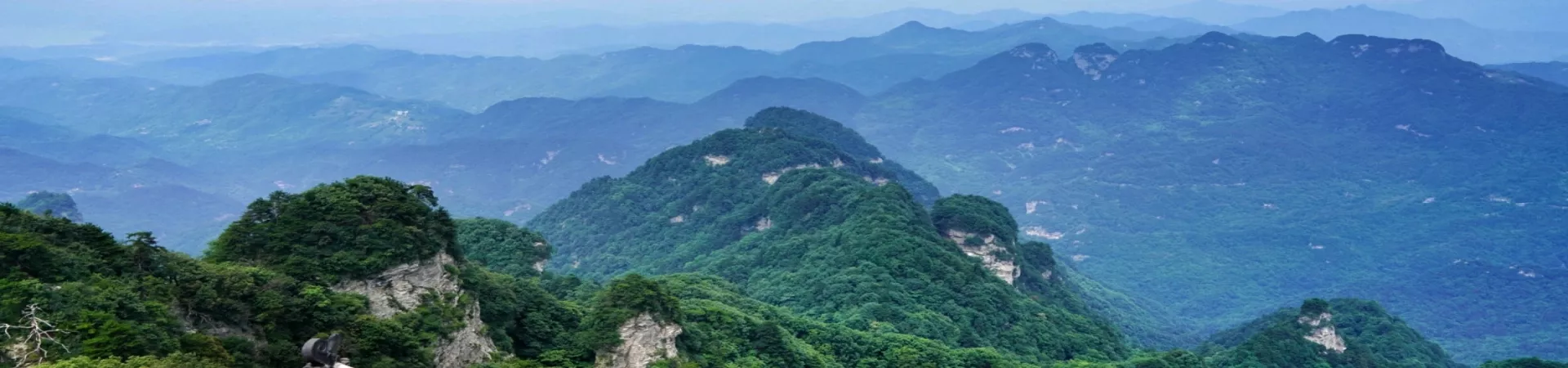
Subtitle: A Journey to the Pinnacle of Taoist Serenity and Architectural Grandeur
1. Introduction: The Apex of Pilgrimage and Natural Splendor Nestled within the dramatic mountainscape of Hubei province, the summit of Wudang Mountain, often referred to as the "Wudang Summit" or the Golden Peak (Jinding), represents the ultimate destination for both pilgrims and travelers. It is not merely the highest geographical point but the spiritual and cultural zenith of the entire Wudang Mountains Scenic Area. This is where ancient Taoist philosophy, imperial architectural ambition, and breathtaking natural beauty converge, offering an experience that is as physically rewarding as it is spiritually uplifting. The journey to the top is a passage through layers of history and cloud, culminating in a vista that has inspired awe for centuries.
2. Planning Your Ascent: Practical Information A successful visit to the Wudang Summit requires some practical planning to fully appreciate its wonders without unnecessary hassle.
2.1. Tickets and Fees Access to the Wudang Mountains Scenic Area is managed through a comprehensive ticket system. The standard through-ticket is priced at 245 RMB. This pass typically grants entry to the core scenic zone, including access to the cable cars or shuttle buses that form part of the journey to the summit area. It is crucial to note that this fee might not cover all optional transportation within the park, such as the final cable car ride to the Golden Peak itself or specific shuttle routes. Visitors should check the latest official information for any seasonal adjustments or package details.
2.2. Opening Hours The operating hours for the scenic area vary slightly between weekdays and weekends: * Monday to Friday: 07:00 – 17:30 * Saturday, Sunday, and Chinese public holidays: 06:30 – 17:30 These times dictate the operation of ticket gates, shuttle buses, and cableways. The earlier weekend opening allows for more flexibility. The final admission is usually one hour before closing. To maximize your day, especially if you plan to hike sections, an early start is highly recommended to avoid the largest crowds and to experience the morning mist shrouding the peaks.
2.3. Suggested Duration The time required to experience the Wudang Summit can vary significantly based on your chosen mode of ascent and personal pace. * Minimum Visit (1-3 hours): This applies if you utilize the two-stage cable car system from the scenic area entrance to the summit with minimal queuing. It allows for a direct visit to the Golden Peak complex, a brief appreciation of the views, and a return via cable car. * Recommended Visit (4-6 hours): A more comfortable and immersive timeframe. This allows for a combination of shuttle bus, cable car, and some walking along the historic paths linking sites like the Taihe Palace and the Golden Hall. It provides time for photography, quiet reflection, and exploring the summit temples without being rushed. * Full-Day Pilgrimage (6+ hours): For dedicated hikers, the traditional pilgrimage route to the summit is a profound, all-day undertaking. Following ancient stone paths like the Ming Dynasty Divine Way, past numerous temples, gates, and pavilions, transforms the journey into a moving meditation, with the summit as the glorious finale.
3. The Summit Experience: Architectural and Spiritual Marvels Reaching the top rewards the visitor with a cluster of structures that defy time and gravity.
3.1. The Golden Hall (Jin Dian) Perched atop the highest rock at 1,612 meters, the Golden Hall is the undisputed masterpiece. This gilded copper pavilion was prefabricated in Beijing during the Ming Dynasty (1416), transported to Wudang, and assembled on the peak without a single nail. Its brilliant reflection, visible for miles on sunny days, symbolizes the pinnacle of Taoist purity. Inside, the statue of Emperor Zhenwu, the patron deity of Wudang, sits in eternal meditation, overseeing the mountains he is believed to have ascended.
3.2. The Forbidden City on the Peak Surrounding the Golden Hall is a stone-walled compound often called the "Forbidden City," built to mimic the imperial palace in Beijing. Its walls follow the perilous contours of the cliff edge. Walking along its ramparts offers dizzying, panoramic views of the Seventy-Two Peaks paying homage to the main summit, a natural spectacle described in classical Chinese poetry.
3.3. The Chain of Guarding Deities Flanking the approaches to the hall are two exquisite pavilions: the Zhonggu Pavilion and the Zijin Pavilion. They house finely crafted bronze statues of divine generals and attendants, forming a celestial court guarding the sacred precinct. The artistry in their flowing robes and expressive faces is a testament to the peak's religious significance.
4. The Journey Upward: Pathways to the Top The ascent itself is integral to the Wudang Summit experience.
4.1. The Modern Route: Cable Car and Shuttle The most efficient method involves taking a park shuttle bus to Qiongtai or Yuzhen Palace, followed by a modern cable car that soars over deep ravines and pine forests directly to the area near the Golden Peak. This route saves time and energy, making the summit accessible to most visitors and providing spectacular aerial views.
4.2. The Ancient Pilgrim Paths For the authentic seeker, several historic stone stairways snake up the mountain. The path from Nanyan Palace or from the Taizipo area is steep and demanding, consisting of thousands of steps worn smooth by centuries of pilgrims' feet. This physically challenging route passes hidden hermitages, carved cliff inscriptions, and quiet groves, allowing one to connect with the mountain's enduring spirit of asceticism and perseverance.
4.3. A Hybrid Approach Many opt for a balanced approach: ascending by cable car to enjoy the summit in the clearer morning light and descending on foot via one of the ancient paths. This allows you to absorb the grandeur from above first, then slowly unravel the mountain's details on the way down, visiting intermediate temples like the majestic Zixiao Palace that are often missed by those solely using transport.
5. Tips for an Enriched Visit To ensure a smooth and respectful journey, consider these final pointers. Dress in layers, as temperatures at the summit can be significantly cooler and windier than at the base. Wear sturdy, comfortable shoes with good grip for the stone steps and pathways. Carry water and snacks, though small vendors are present at transit points. As a sacred Taoist site, maintain a respectful demeanor within the temple halls. Finally, be prepared for changing weather; mist can roll in rapidly, obscuring views but adding an ethereal, mystical atmosphere to the ancient buildings, transforming the golden summit into a secluded island in a sea of clouds.