Wudang Mountain scen
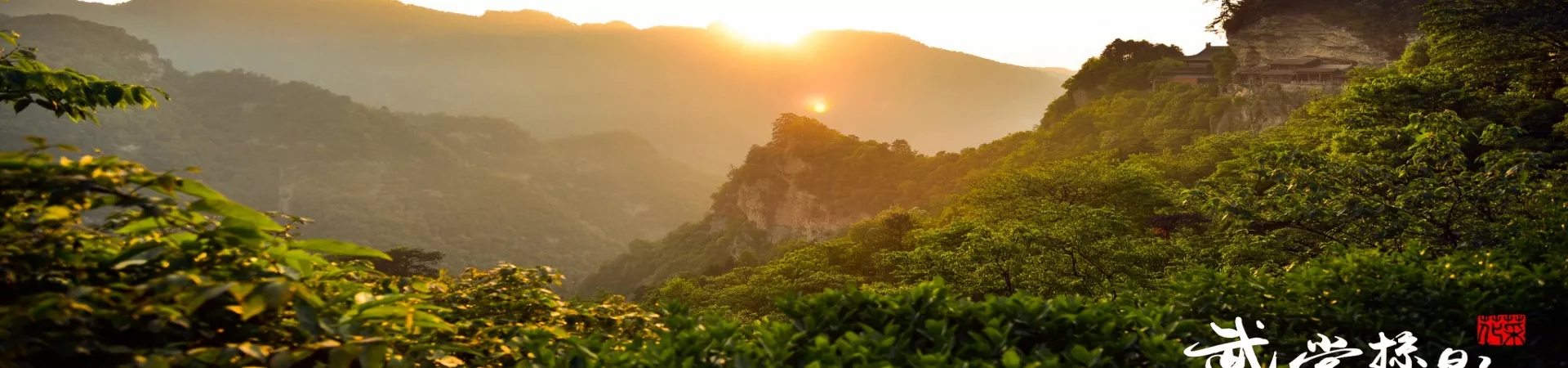
A Traveler's Guide to the Sacred Peaks: Unveiling the Mysteries of Wudang Mountain
Nestled within the city of Shiyan in Hubei Province, China, lies the ancient and revered Wudang Mountain, historically known as "Taihe Mountain." More than just a scenic area, it is a profound cultural and spiritual epicenter, a living testament to China's philosophical heritage and architectural grandeur. Its impressive list of accolades—a UNESCO World Heritage Site, a National 5A Tourist Attraction, a Taoist holy land, the birthplace of Tai Chi Chuan, and one of China's "Seven Wonders," among dozens of other honors—only begins to hint at its significance. Wudang Mountain is celebrated for its breathtaking natural landscapes, its vast and ancient architectural complexes, its deeply rooted Taoist culture, and its profound martial arts tradition, rightfully earning titles like "The Unparalleled Scenic Wonder Since Ancient Times" and "The Number One Celestial Mountain Under Heaven."
A Tapestry of Natural and Human Marvels * The Crown Jewel of Architecture: Wudang Mountain is home to the world's largest complex of religious buildings, a stunning collection of palaces, temples, and monasteries that snake along the mountain ridges for approximately 70 kilometers (about 140 li). This harmonious integration of human creation into the natural landscape is so exceptional that it has drawn praise from international experts. A UNESCO evaluator once remarked, "Wudang Mountain is one of the most beautiful places in the world because it blends ancient wisdom, historical architecture, and natural aesthetics." Similarly, the late Vice Chairman of the International Union of Architects, Yang Tingbao, lauded the ancient buildings as "heaven on earth, surpassing the Five Great Mountains." * A Landscape of Mythical Proportions: The natural scenery is no less dramatic. The mountain range is famed for the spectacular phenomenon known as "72 Peaks Paying Homage to the Golden Summit," where all surrounding peaks appear to bow towards the main peak, creating a breathtaking vista of supreme natural order. Another revered sight is the "Heaven-made Black Tortoise," a unique geological formation held as a sacred Taoist symbol. Complementing this is the vast Tai Chi Lake, Asia's largest artificial reservoir, which serves as the water source for the central route of the South-North Water Transfer Project and adds a serene, expansive blue to the majestic green landscape.
The Heart of Taoist Culture and Tai Chi * A Living Taoist Sanctuary: For centuries, Wudang Mountain has been one of the most important centers of Taoism in China. Its history as a place of worship, meditation, and scholarly pursuit permeates every ancient pathway and quiet courtyard. As another UNESCO expert noted after a visit, "China's great history is still preserved in Wudang Mountain." Visitors can immerse themselves in this tranquil, spiritual atmosphere, witness Taoist rituals, and explore the philosophical principles that have shaped this site. * The Cradle of Internal Martial Arts: Wudang is globally recognized as the legendary birthplace of Tai Chi Chuan and other internal martial arts (Wudang Wushu). These practices, deeply intertwined with Taoist philosophy, emphasize softness, internal energy, and harmony between mind and body. The mountain's very essence seems to breathe these principles, offering pilgrims and enthusiasts a chance to connect with the origin of these world-renowned disciplines.
Essential Practical Information for Your Visit
Getting to Wudang Mountain Wudang Mountain is accessible via several transportation hubs. Here are the most common routes: * By Air: Wudangshan Airport is approximately 30 km from the mountain gate. Airport shuttle buses are available (fare around 15 RMB), with a travel time of about 45 minutes. * By Train: * Shiyan Railway Station: About 38 km away. Take public bus route 202 to its terminal, then walk about 200 meters to the scenic area entrance (fare approx. 4 RMB). Total journey takes around 90 minutes. * Wudangshan Railway Station: Closer at about 18 km. Also served by bus route 202 (approx. 4 RMB), taking about 20 minutes to reach the bus terminal near the gate. * Wudangshan West Station (High-Speed Rail): The most convenient rail option, only 12 km away. Direct shuttle buses to the scenic area are available (fare approx. 10 RMB), with a journey time of just 12 minutes. * By Long-Distance Bus: From Shiyan Bus Station, you can take a bus towards Wudangshan and transfer to local bus route 202, or arrange a shared taxi. Note: All travel information is for reference; please verify based on current conditions.
Admission Fees Ticket prices for the main scenic area are as follows (subject to change): * Adult Ticket: 264 RMB * Senior Ticket (60-69 years): 182 RMB * Senior Ticket (70+ years): 100 RMB * Student Ticket (12-17 years): 137 RMB * Cable Car: One-way uphill: 80 RMB; Round-trip: 150 RMB Special Note: As a gesture of gratitude, from the announcement date until December 31, 2024, medical team members who aided Hubei can present the "Lingxiu Hubei Gratitude Card" for free entry for themselves and one relative, valid for five years. Medical team members from Guangxi who aided Shiyan hold lifetime free entry with the "Gratitude · Shiyan Welcomes You" card for themselves and a relative.
Operating Hours The scenic area is generally open from 08:00 to 17:30 daily throughout the year. It is recommended to allocate at least one full day to experience Wudang Mountain, though multiple days are ideal for a comprehensive exploration of its cultural, natural, and spiritual offerings.
Contact Information For inquiries, you may contact: +86-19971443911 or 0719-5665396.