Shangjin Ancient City
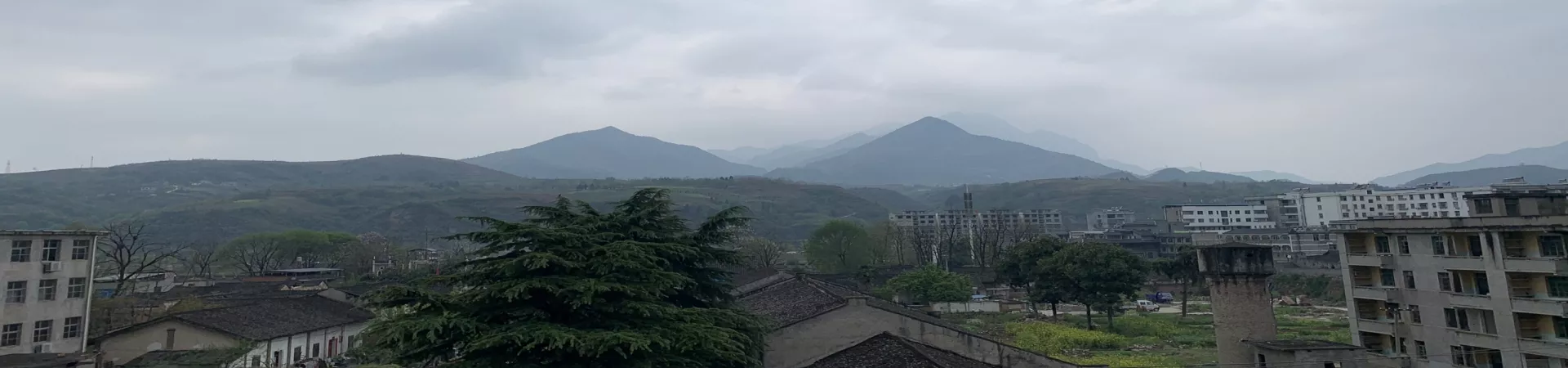
Subtitle: A Journey Through Time: Exploring the Historic Walled Town of Shangjin
Introduction: A Portal to the Past
Nestled in the northwestern frontier of Hubei Province, where the land whispers tales of ancient frontiers and shifting sovereignties, lies the Shangjin Ancient Town Scenic Area. Often poetically referred to as "Liuzhou City," this remarkable site stands as Hubei's sole, relatively intact county-level ancient walled town. Its enduring presence, recognized as a Key Cultural Relics Protection Unit by the provincial government in 1993, offers visitors a rare and tangible connection to centuries of regional history, strategic military significance, and cultural交融. More than just a collection of old walls, Shangjin is a chronicle in stone and earth, embodying the very essence of its unique and contested location.
1. A Strategic Crossroads: Geography and Historical Significance
1.1. The Lay of the Land Shangjin's profound story is inextricably linked to its geography. The town resides in Yunxi County, Shiyan City, perched on the eastern bank of the lower reaches of the Jinqian River, a tributary of the mighty Han River. To the south lies the vast expanse of the Jianghan Plain, while to the north, it is cradled by the formidable Qinling Mountains. This position places it at a critical juncture, directly bordering Manchuan Town in Shaanxi Province. This frontier status earned it the famous historical epithet "Zhao Qin Mu Chu" (朝秦暮楚), meaning "serving Qin in the morning and Chu in the evening," a phrase vividly illustrating its precarious position between the ancient warring states and, later, different administrative powers—a place where allegiances could shift as quickly as the day turns to night.
1.2. The Weight of Centuries: A Timeline of Governance The name "Shangjin" first appeared in the authoritative Commentary on the Water Classic (Shui Jing Zhu), penned by the renowned Northern Wei Dynasty geographer Li Daoyuan. This early mention hints at its long-standing importance. The town's formal administrative history began in the late Cao Wei period of the Three Kingdoms (262 AD) with the establishment of Pingyang County. From that foundational moment, Shangjin served as a central hub for the surrounding region for over 1,700 years. Its political status was remarkably fluid and complex, reflecting the turbulent history of the borderlands. Records indicate it was established as a county 14 times, a prefecture 6 times, and a garrison 2 times. This cycle of creation, dissolution, and re-creation underscores its persistent strategic value. From the Southern Song Dynasty onward, the area became a frequent battleground, solidifying Shangjin's role as a crucial military stronghold on the Hubei-Shaanxi border. It was not until the Ming Dynasty in 1368 that Shangjin was formally integrated into Yunxi County. Each change in dynasty and each shift in the frontier left its mark, with the ancient town playing an indispensable role through every historical transition.
2. The Architectural Testament: Preservation and Structure
2.1. Ming Dynasty Foundations and Qing Restoration The physical walls that visitors see today primarily date back to the early Ming Dynasty, constructed in the Hongwu era (late 14th century). These fortifications were not merely built for show; they were a direct response to the region's military needs, designed to withstand conflict and assert control. A major comprehensive restoration was undertaken in the seventh year of the Jiaqing reign (1802) during the Qing Dynasty. This renovation helped preserve the town's structure through subsequent centuries. The survival of these walls, gates, and the general layout within makes Shangjin an exceptionally valuable specimen of late imperial Chinese county-town architecture and urban planning in a frontier context.
2.2. Exploring the Townscape Walking through Shangjin is an immersive experience. While the town has adapted to modern life, the historical framework remains dominant. * The City Walls and Gates: The rammed earth and stone walls, punctuated by ancient gates, offer a sense of the town's defensive scale. Climbing onto the walls provides a panoramic view of the old town's rooftops and the surrounding natural landscape of river and mountains, allowing one to appreciate the strategic vantage point it commanded. * Historic Streets and Alleys: The internal network of streets, such as the main thoroughfares and narrower lanes, largely follows historical patterns. Traditional architecture, including shops and residences with period features, lines these pathways, creating an atmosphere that feels removed from the rapid pace of the 21st century. * Cultural Relics and Sites: Within the walls, various heritage sites, including old government offices, temples, and commemorative steles, serve as silent witnesses to the town's multifaceted past as an administrative center, a military post, and a community hub.
3. The Visitor Experience: Immersion and Practicalities
3.1. A Living History Museum Unlike a static museum exhibit, Shangjin is a living community. Visitors have the unique opportunity to observe daily life unfolding within a historical setting. The experience is one of sensory exploration: touching the weathered stones of the city wall, hearing the local dialect in the markets, and visualizing the comings and goings of soldiers, merchants, and officials who once populated these same spaces. It is a place for contemplation on the themes of frontier life, cultural exchange, and historical continuity.
3.2. Planning Your Visit * Opening Hours: The Shangjin Ancient Town Scenic Area is accessible to visitors all day, every day of the year. This open schedule allows for flexibility in planning, whether for a morning exploration, an afternoon stroll, or even an evening walk to see the walls illuminated. * Location and Access: The town is located in Yunxi County, which is part of Shiyan City in northwestern Hubei. It is most conveniently reached by road. Visitors typically travel to Shiyan first, which has transportation links to major cities, and then proceed by bus or car to Yunxi and onward to Shangjin. * Suggested Activities: Allocate several hours to fully appreciate the site. Key activities include walking the perimeter of the walls, exploring the interior streets, visiting key historical markers, engaging with local residents (where possible), and capturing the scenic beauty of the town against its natural backdrop. The surrounding landscape of the Jinqian River and Qinling foothills also offers photographic opportunities.
4. The Enduring Legacy: Beyond the Walls
Shangjin's significance extends beyond its physical boundaries. It represents a microcosm of the dynamic and often tumultuous history of China's internal border regions. Its story is one of resilience and adaptation. The "unique blend of sweetness and bitterness, honor and disgrace, and the vicissitudes of life" mentioned in historical texts is etched into its very fabric. For the modern visitor, a trip to Shangjin is not merely a sightseeing excursion but a journey into a deep, layered past. It is an invitation to understand how geography shapes destiny, how walls can tell stories of both conflict and community, and how a small town can hold within it the echoes of empires and the quiet persistence of everyday life across the ages.