Qiongtai Zhongguan
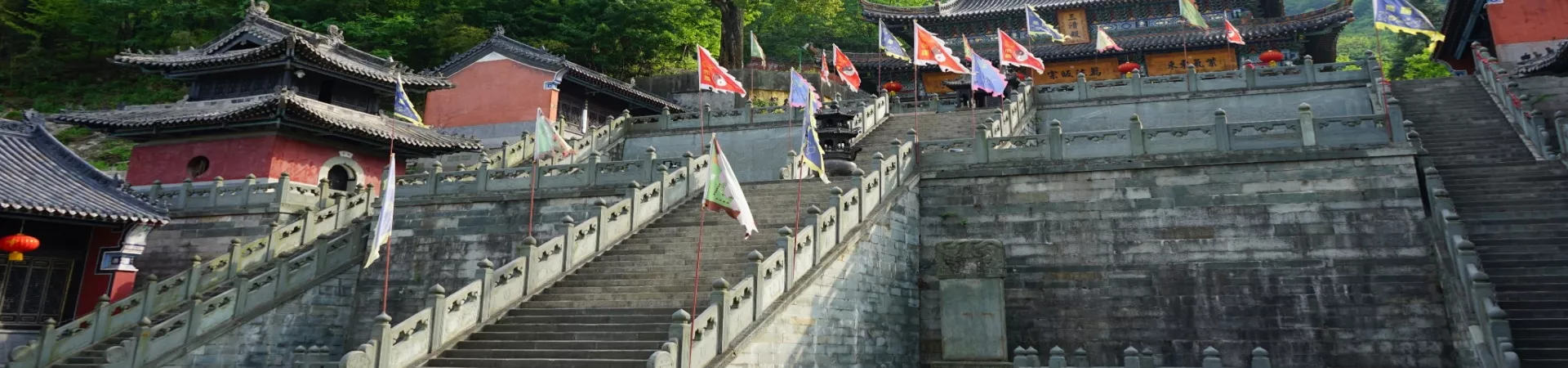
Subtitle: A Sacred Ascent: Exploring Qiong Tai Zhong Guan, the Gateway to Wudang's Golden Summit
1. Introduction: The Pilgrim's Path Begins
Nestled within the majestic, mist-shrouded peaks of the Wudang Mountains in Shiyan City, Hubei Province, lies a place of profound tranquility and pivotal purpose: Qiong Tai Zhong Guan. More than just a scenic stop, this ancient Taoist temple complex serves as the traditional and spiritual starting point for the most revered pilgrimage in Chinese Taoism—the ascent to the Golden Summit (Jinding). For centuries, emperors seeking divine mandate, monks in pursuit of enlightenment, and countless pilgrims have begun their sacred journey here. It is not merely a building but a threshold, a space designed to prepare the mind and spirit for the awe-inspiring climb ahead, offering a unique blend of architectural harmony, historical depth, and serene natural beauty that sets the tone for the entire Wudang experience.
2. Historical and Spiritual Significance
2.1 The Gateway to the Summit Qiong Tai Zhong Guan, often translated as the "Middle Temple of the Jade Terrace," holds a geographically and symbolically central role. Historically, pilgrims would first pay their respects and make offerings here before embarking on the strenuous climb up the stone-paved "Pathway to Heaven" towards the summit temples. It was believed that receiving blessings at Zhong Guan ensured a safe and spiritually fruitful journey. This function cemented its status as an indispensable part of the pilgrimage ritual, a place for mental preparation and solemn commitment.
2.2 Architectural Harmony with Nature Constructed during the Ming Dynasty (around the 15th-16th centuries), a period of immense imperial patronage for Wudangshan, the complex is a masterpiece of ancient Chinese architectural philosophy. It exemplifies the core Taoist principle of "wu wei" (non-action) by seamlessly integrating with the mountainous landscape. The halls, courtyards, and gates follow the natural contours of the terrain rather than imposing upon it. Built from local stone and timber, the structures feature the elegant, upturned eaves, intricate dougong brackets, and simple yet powerful color schemes—dominated by the red walls, grey tiles, and green surroundings—characteristic of Ming-era Taoist architecture. The design creates a flow of energy (qi) that guides visitors naturally through the space, fostering a sense of calm and reverence.
3. Layout and Key Structures
The temple complex is arranged along a central axis, leading visitors on a gradual, symbolic ascent.
3.1 The Entrance and First Courtyard Passing through the mountain gate, visitors enter a serene first courtyard. This open space, often filled with the scent of ancient cypress trees and the sound of wind chimes, immediately separates the worldly bustle from the sacred atmosphere within. It serves as a physical and psychological transition zone.
3.2 The Main Hall: Dragon and Tiger Hall The central and most significant structure is typically the Dragon and Tiger Hall. In Taoist cosmology, the Green Dragon and the White Tiger are celestial guardians representing the east and west, balancing yin and yang energies. This hall is dedicated to these powerful deities, who are believed to protect the temple and the path beyond. Inside, statues or murals of these majestic creatures flank the central altar, creating an atmosphere of awe and protection. Pilgrims would traditionally offer prayers here for safety on their upcoming journey.
3.3 Ancillary Halls and Living Quarters Flanking the main axis are smaller halls that may be dedicated to other Taoist deities, local mountain gods, or notable masters associated with Wudang's history. The complex also includes simple living quarters that once housed the resident Taoist priests who maintained the temple, managed rituals, and provided guidance to pilgrims. These areas highlight the temple's enduring role as a living center of religious practice and community.
4. The Visitor Experience and Practical Information
4.1 A Journey of Preparation and Reflection For today's visitor, whether a spiritual seeker, a cultural enthusiast, or a nature lover, Qiong Tai Zhong Guan offers a multifaceted experience. It is the ideal place to pause, absorb the profound quiet, and appreciate the intricate art and architecture before the physical challenge of the climb. The views from its courtyards, looking back down the valley or up towards the looming peaks, are breathtaking and humbling. It provides essential context, making the subsequent sight of the Golden Summit even more meaningful.
4.2 Connecting to the Ancient Pilgrimage Route From the rear of the temple complex, the ancient pilgrimage trail—the Sacred Way—begins in earnest. Standing at this departure point, one can easily imagine the centuries of footsteps that have worn the stone path. Visitors can choose to follow this historic route for a stretch or use it as a starting point for various hiking trails that connect to cable car stations for the final ascent to the summit.
4.3 Essential Details for Your Visit * Opening Hours: * Monday to Friday: 7:30 AM - 5:30 PM * Saturday & Sunday: 7:00 AM - 6:00 PM (These hours are consistent throughout the year, though slight seasonal adjustments may occur.) * Contact Telephone: +86-719-5665396 * Location: Situated within the Wudang Mountain Scenic Area, Shiyan City. Access is typically included in the main Wudangshan scenic area entrance ticket, though a separate minor fee for the temple itself may apply. * Best Time to Visit: Spring (April-May) and Autumn (September-October) offer the most pleasant weather and clear skies. Early morning visits are recommended to avoid larger tour groups and experience the temple in its most peaceful state, often enveloped in the mystical mountain mist that Wudang is famous for.