nanyangong
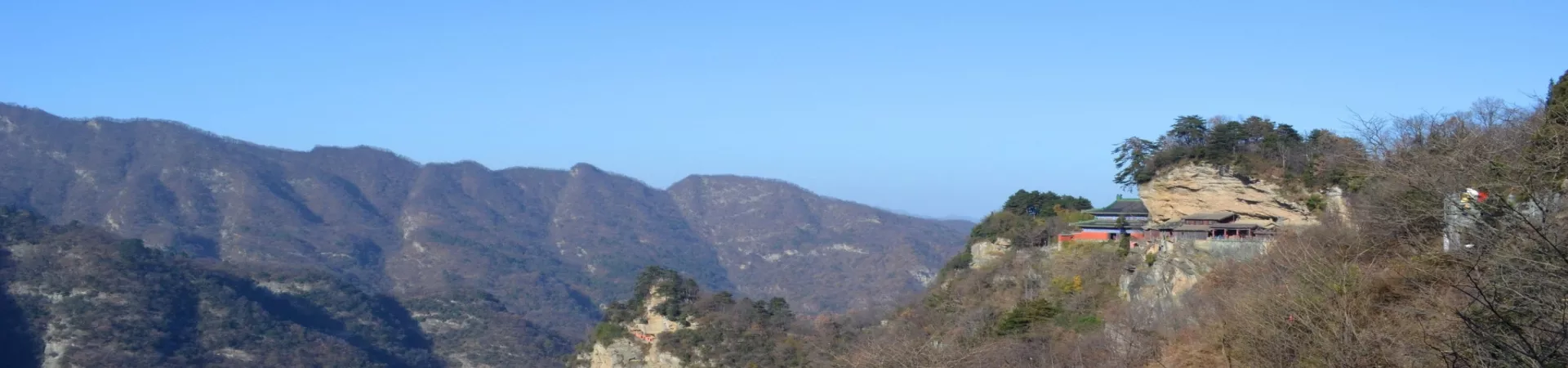
Subtitle: A Journey to the Cliffside Sanctuary of Wudang Taoism
1. Introduction: The Precarious Majesty of Nanyan Palace
Perched dramatically on a sheer cliff face in the Wudang Mountains, Nanyan Palace (South Cliff Palace) is not merely a scenic attraction; it is a profound testament to Chinese religious architecture, Taoist philosophy, and humanity's quest for harmony with nature. As a nationally protected key cultural relic and one of the most renowned Taoist temples in China, its location is integral to its identity. Built directly onto the southern precipice of Wudang Mountain in Danjiangkou City, Hubei Province, the palace complex appears to defy gravity, blending seamlessly with the jagged rock formations and mist-shrouded peaks. A visit here is a physical and spiritual pilgrimage, offering breathtaking vistas and a palpable sense of the historical pursuit of immortality and enlightenment that defines the Wudang range.
2. Architectural Heritage: Echoes of Yuan and Ming Grandeur
The palace you see today is a poignant, partially preserved fragment of its former glory, with surviving structures primarily dating from the Yuan (1271-1368) and Ming (1368-1644) dynasties. These remnants are precious windows into China's imperial past and religious devotion.
2.1. The Stone Hall (Yuan Dynasty) The most significant surviving element is the Stone Hall, a resilient structure built entirely of stone during the Yuan Dynasty. Its endurance through centuries of wind and weather speaks to the ingenuity of its builders. This hall represents the core of the ancient palace, its solid, unadorned presence evoking the early phases of Taoist construction on Wudang.
2.2. Ming Dynasty Structures The later Ming Dynasty contributed several key edifices that frame the site. The Nanyan Gate (South Heaven Gate) serves as the majestic ceremonial entrance, marking the transition from the mundane world into the sacred Taoist space. Nearby, a Stele Pavilion houses inscribed stones that chronicle the history and renovations of the palace, offering epigraphic evidence of its importance through the ages. The Liangyi Hall (Hall of the Two Polarities) embodies a fundamental Taoist concept—the interplay of yin and yang, complementary forces that constitute the universe.
2.3. The Jade Emperor Statue On the original site of the Yuanjun Hall stands a singularly impressive artifact: a statue of the Jade Emperor, the supreme deity in Taoist theology. Depicted wearing a majestic crown and ornate robes, the statue's lifelike and dignified bearing commands reverence. It serves as a powerful focal point for contemplation and prayer, connecting visitors directly to the site's enduring spiritual function.
3. Surrounding Mysteries: Cliffs, Platforms, and Legends
The magic of Nanyan extends beyond its man-made walls into the natural and legendary landscape that cradles it. Exploring these surrounding features is essential to the experience.
3.1. The Tiger's Mouth To the north of the palace cliff, a rock formation known as the "Tiger's Mouth" presents a narrow, perilous-looking passage along the cliff edge. Traversing it is an adventure, amplifying the sense of danger and awe associated with this aerial sanctuary.
3.2. The Dressing Table and Ascension Platform On the peaks south of the main cliff, two sites are steeped in myth. The "Dressing Table" is a flat rock platform associated with legends of celestial maidens or Taoist immortals preparing for rituals. Further along, the "Flying Ascension Platform" is perhaps the most legendary. It is famously linked to the story of Zhenwu, the Perfected Warrior, who is said to have achieved immortality and ascended to heaven from this very spot. Standing here, overlooking an endless sea of mountains and clouds, it is easy to understand how such transcendent tales were born.
4. Practical Visitor Information
4.1. Location and Access Nanyan Palace is located within the Wudang Mountain Scenic Area. There is no direct public road access to the palace itself. The standard route involves taking the scenic area's internal sightseeing bus (the fare for which is included in the main Wudang Mountain entrance ticket). From Zixiao Palace (Purple Heaven Palace), the bus travels approximately 2.5 kilometers to its terminal at Crow Ridge (Wuya Ling). From Crow Ridge, visitors proceed on foot. A walk of about 20-30 minutes, which includes passing through the imposing Nanyan Gate, leads you to the entrance of the Nanyan Palace complex.
4.2. Tickets and Opening Hours Admission to Nanyan Palace is included in the overall ticket for the Wudang Mountain Scenic Area. There is no separate entrance fee for the palace. The site is open daily from 7:00 AM to 5:00 PM, year-round. It is advisable to check for any seasonal adjustments or special holiday notices, though these hours are generally consistent.
4.3. Suggested Duration and Tips A thorough exploration of the palace structures, the cliffside paths, and the nearby platforms like the Flying Ascension Platform typically requires 1.5 to 2.5 hours. The "1 hour or less" estimate applies only to a very brief walk through the main halls. The terrain involves significant stair climbing and walking along uneven, sometimes exposed cliff paths. Sturdy, non-slip footwear is essential. As with any mountain weather, conditions can change rapidly; carrying water, sun protection, and a light layer is recommended. For inquiries, the general scenic area contact number is +86 719 5689187.