Dragon Head Incense
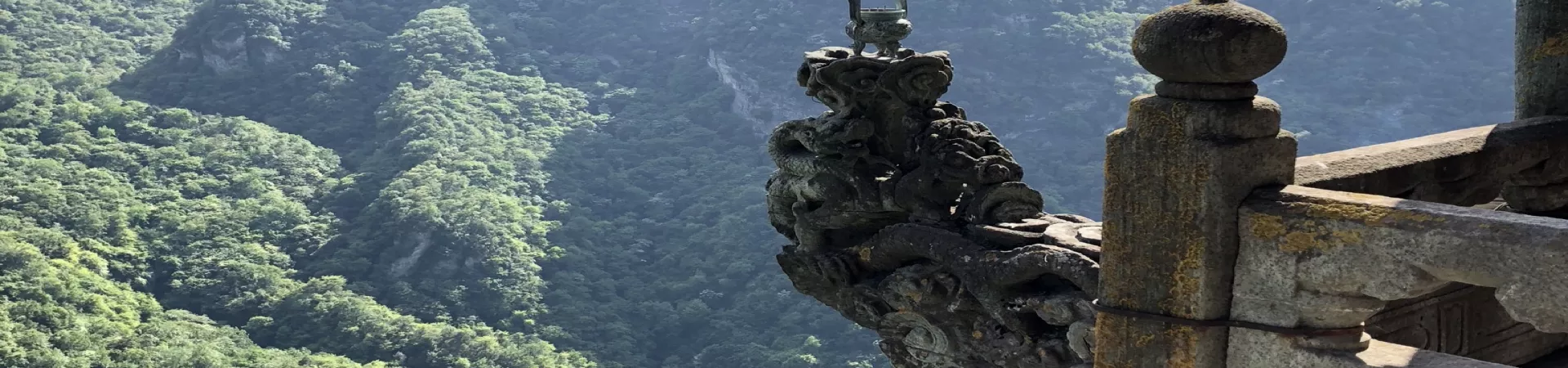
Subtitle: A Journey to the Edge of Faith: Exploring Longtou Xiang at Mount Wudang
1. Introduction: The Pinnacle of Devotion and Landscape
Nestled within the sacred and mist-enshrouded peaks of Mount Wudang, a UNESCO World Heritage Site renowned as the cradle of Taoist philosophy and martial arts, lies one of China's most breathtaking and awe-inspiring architectural marvels: Longtou Xiang, or the "Dragon Head Incense Burner." This is not merely a scenic overlook; it is a profound testament to human faith, engineering ingenuity, and a harmonious dialogue between spiritual pursuit and the raw power of nature. Perched precariously on the sheer cliff face of the Nanyan (South Rock) Palace complex, Longtou Xiang extends like a stone dragon lunging from the mountain into the void, its head poised over a breathtaking abyss. For centuries, it has drawn pilgrims, adventurers, and seekers not just for its perilous beauty, but for the profound spiritual experience it embodies—a literal and metaphorical leap of faith at the edge of the world.
2. Historical and Cultural Significance: A Taoist Masterpiece
2.1. Origins and Architectural Genius The construction of Longtou Xiang dates back to the Yuan Dynasty (1271-1368), a period of significant development for Mount Wudang as a major Taoist center. It was meticulously carved from the mountain's own bedrock, a single stone beam measuring approximately 2.9 meters in length and only about 30 centimeters in width. At its end, a small, exquisite stone incense burner is installed. This design is a masterpiece of ancient Chinese architecture and Taoist symbolism. The dragon, a potent symbol of power, wisdom, and good fortune in Taoist cosmology, is depicted as emerging from the mountain—the earthly realm—and reaching into the clouds and mist, representing the celestial realm. The structure symbolizes the bridge between humanity and the divine, the tangible and the transcendent.
2.2. A Pilgrimage of Ultimate Devotion Historically, the act of burning incense at Longtou Xiang was considered the ultimate demonstration of piety. Pilgrims would undertake the arduous journey up Mount Wudang, and the most devoted would perform the dangerous ritual of crawling along the narrow, unprotected stone beam to light incense at its head. With a sheer drop of hundreds of meters below, every movement was a meditation on life, death, and trust in the protective embrace of the Taoist deities. This practice was believed to bring unparalleled blessings and to carry one's prayers directly to the heavens. While such perilous pilgrimages are no longer permitted for safety reasons, the site remains a powerful focal point for prayer and reflection, allowing visitors to witness the physical manifestation of profound devotion.
3. The Visitor Experience: Practicalities and Perspectives
3.1. Access and Location Longtou Xiang is located within the Nanyan Palace area, which is itself a key component of the larger Mount Wudang Scenic Area. Reaching it involves a journey through the mountain's stunning landscape, often via scenic buses and cable cars, followed by a walk along ancient stone paths that weave through temples and forests. The final approach to Nanyan Palace builds anticipation, culminating in the dramatic reveal of the stone dragon projecting into the vast openness of the mountain range.
3.2. Viewing Platforms and Safety Modern visitor management prioritizes safety. The hazardous practice of walking on the incense burner itself is strictly prohibited. Instead, secure and well-constructed viewing platforms at Nanyan Palace offer completely safe, yet still heart-pounding, vantage points. From here, visitors can fully appreciate the architectural audacity of Longtou Xiang and capture stunning photographs of the dragon's head against a backdrop of endless peaks and deep valleys. The perspective perfectly illustrates why Mount Wudang is celebrated as a "museum of ancient Chinese architecture" and a landscape of peerless beauty.
3.3. Timing Your Visit Opening Hours: The Nanyan Palace area, where Longtou Xiang is located, is generally accessible from 8:00 AM to 5:30 PM, daily throughout the year. It is highly advisable to visit during the morning hours when the mountain mists often create an ethereal, mystical atmosphere around the cliff, enhancing the spiritual ambiance. Clear days provide unparalleled panoramic views of the surrounding wilderness.
4. Planning Your Visit: Essential Information
4.1. Tickets and Fees Access to Longtou Xiang is included in the main Mount Wudang Scenic Area entrance ticket. There is no separate admission fee for the Nanyan Palace site or for viewing the Dragon Head Incense Burner. Visitors must purchase the comprehensive area ticket, which grants access to the transportation system (buses) within the mountain and the various palace complexes, including Nanyan. It is recommended to check the latest official ticket prices and options (which may include multi-day passes) before your trip, as they are subject to change.
4.2. Best Times to Visit The site is open year-round, each season offering a distinct character. Spring and autumn are generally considered ideal, with mild temperatures, stable weather, and clear skies. The summer brings lush greenery but also more crowds and potential rain. Winter offers a stark, serene beauty with possible snow-capped peaks, though some paths may be icy and require extra caution. Regardless of the season, wearing sturdy, comfortable walking shoes is non-negotiable due to the amount of walking and stair-climbing involved.
4.3. Cultural Etiquette and Reflection As an active Taoist cultural site, visitors are encouraged to observe respectful behavior. While photography is encouraged, maintaining a quiet and contemplative demeanor honors the spiritual significance of the location. Take time to observe not just the stone dragon itself, but also the intricate carvings and architecture of the Nanyan Palace built into the cliffside, the expressions of fellow visitors, and the profound silence of the mountains. Understanding Longtou Xiang requires appreciating it as more than a photo opportunity; it is a monument to a centuries-old spiritual dialogue between humanity and the sublime forces of the natural world.