Wutong Mountain
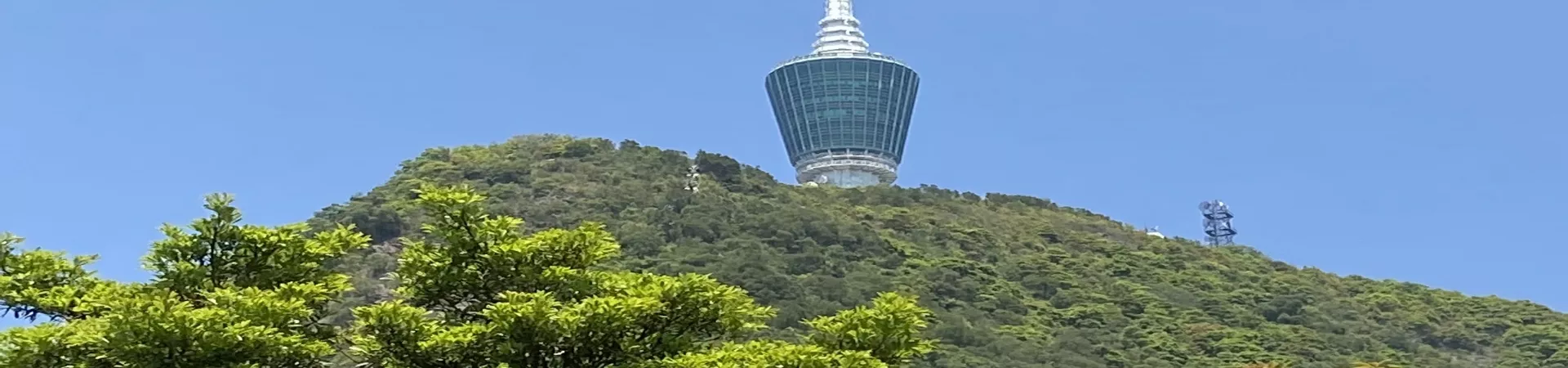
Subtitle: A Guide to Wutong Mountain, Shenzhen's Premier Natural Escape
I. Introduction to Wutong Mountain Rising majestically on the eastern flank of Shenzhen, Wutong Mountain stands as the most prominent natural landmark in a city renowned for its dizzying urban sprawl. It offers a vital and accessible respite from the metropolitan buzz, presenting visitors with a chance to immerse themselves in lush forests, challenge themselves on scenic trails, and witness breathtaking panoramic views. The mountain is not a singular peak but a sprawling ecological park, whose essence is captured by its two most famous summits: the imposing Da Wutong (Big Wutong) and the more accessible Xiao Wutong (Small Wutong). For both avid hikers and casual nature seekers, Wutong Mountain serves as the green lung of Shenzhen, a place where the city's relentless energy gives way to tranquil, mist-shrouded vistas and the soothing sounds of nature.
II. The Twin Peaks: Da Wutong and Xiao Wutong The character of Wutong Mountain is defined by its two primary peaks, each offering a distinct experience.
A. Da Wutong: The Summit of Shenzhen As the highest peak in Shenzhen, ascending Da Wutong is a rewarding achievement for any visitor. The climb, while demanding, takes you through diverse vegetation zones. The final push to the summit, which stands at 943.7 meters above sea level, is rewarded with an unparalleled 360-degree view. On a clear day, you can see the sprawling cityscape of Shenzhen to the west, the distant hills of Hong Kong's New Territories to the south, and the vast expanse of the Dapeng Bay and the South China Sea to the east. The summit itself is often lively with fellow hikers celebrating their accomplishment, making it a social and scenic highlight.
B. Xiao Wutong and the Phoenix Valley Melody Scenic Area Located on the northern foothills within the "Fenggu Mingqin" (Phoenix Valley Melody) scenic area, Xiao Wutong provides a comparatively gentler experience. The area is characterized by its more manageable trails and a well-maintained viewing corridor that runs along the mountain ridge. This path is particularly suitable for families, casual walkers, and visitors of all ages who wish to enjoy elevated views without the strenuous effort required for Da Wutong. The corridor offers splendid, framed vistas of the valley below and the city in the distance, making it perfect for photography and leisurely strolls amidst the pine-scented air.
III. The Ethereal "Sea of Clouds" and Key Sights Beyond the peaks, Wutong Mountain is famous for its atmospheric phenomena and cultural sites nestled within its bounds.
A. The Legendary "Sea of Clouds" Perhaps the most magical sight at Wutong Mountain is the frequent occurrence of a spectacular "sea of clouds" (云海). Moist air from the nearby South China Sea sweeps inland, cooling as it rises against the mountain slopes, condensing into a thick, rolling blanket of mist. This phenomenon, especially common at dawn and during seasonal changes, envelops the peaks and valleys in a serene, white veil. It has poetically earned the mountain the nickname "Fog-Locked Wutong" (雾锁梧桐). Witnessing the clouds swirl around the peaks while standing above them on Da Wutong is an unforgettable, almost otherworldly experience.
B. The Xianhu Botanical Garden and Hongfa Temple On the northwestern side of the mountain lies the Xianhu Botanical Garden (仙湖植物园), a massive and diverse botanical garden that is an attraction in its own right. It features numerous themed plant zones, including a magnificent Bonsai Garden and a collection of rare cycads. However, within the garden's tranquil confines lies one of Shenzhen's most significant cultural and religious sites: the Hongfa Temple (弘法寺). As one of the largest and most frequented Buddhist temples in Shenzhen, it is a center of active worship. The temple's elegant traditional architecture, the scent of incense, and the rhythmic chanting create a profound sense of peace. Visitors can explore its multi-level halls, observe religious ceremonies, and enjoy the temple's harmonious integration with the surrounding forested hills.
IV. Practical Visitor Information A. Admission and Opening Hours Admission to the Wutong Mountain scenic area is free of charge. The general opening hours for park access are from 6:00 AM to 7:00 PM daily, with last entry permitted until 7:00 PM. It is important to note that these hours apply to the main park gates; starting hikes very late in the day is not advisable. The Xianhu Botanical Garden, located within the area, may have a separate nominal entrance fee.
B. Suggested Duration and Preparation A visit requires a minimum of 3 to 4 hours for a short hike to Xiao Wutong or a walk in the botanical garden. To properly hike to the summit of Da Wutong and back, visitors should allocate 5 to 7 hours, depending on fitness level and pace. Essential preparations include wearing sturdy, comfortable hiking shoes, carrying sufficient water and snacks, as vendors are limited on the trails, and bringing sun protection (hat, sunscreen) or rain gear depending on the weather. The mountain paths are well-signposted but can be steep and uneven in sections.
C. Location and Contact Wutong Mountain is located in the Luohu District, east of central Shenzhen. It is accessible by public transportation, including bus routes and taxi services. For the most current information regarding trail conditions or specific area access, the general management office can be contacted at +86 755 2570 8918.