Dapeng Suocheng
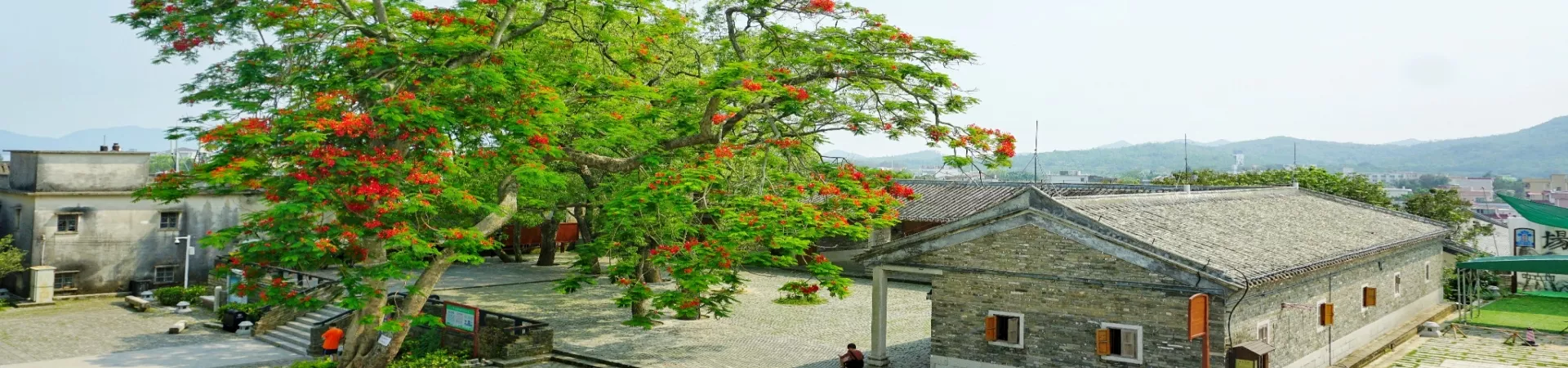
Subtitle: A Journey Through Time at Dapeng Fortress, the Ancient Guardian of Shenzhen
Introduction: The City That Gave Shenzhen Its Name
Nestled in the Dapeng Peninsula of eastern Shenzhen, away from the dizzying verticality of Futian and Nanshan, lies a settlement of profound historical significance: Dapeng Fortress. Known fully as "Dapeng Garrison Thousand-Household Fortress City," its legacy is etched into the very identity of the modern metropolis. Shenzhen's poetic alternative name, "Pengcheng" or "Roc City," is directly derived from this ancient stronghold. While Shenzhen today symbolizes breakneck economic transformation, Dapeng Fortress stands as its serene, stone-clad antithesis—a meticulously preserved portal into the region's martial past, offering visitors a tangible connection to the eras that shaped China's southern coastline.
1. From Strategic Stronghold to Cultural Heritage Site
1.1. The Ming Dynasty Origins and Strategic Role Dapeng Fortress was constructed in 1394 during the reign of the Hongwu Emperor in the Ming Dynasty. Its founding was a direct strategic response to the persistent threat posed by wokou (Japanese pirates) and other maritime raiders plaguing the South China Sea coast. As a "Thousand-Household Garrison," it was a key node in a comprehensive coastal defense network, housing military families, administrators, and hundreds of soldiers. Its location was carefully chosen to control the vital maritime approaches and protect local communities and trade routes.
1.2. The Qing Dynasty Continuity and Evolution The fortress maintained its critical military function throughout the Qing Dynasty. It was not merely an isolated wall but the administrative and defensive heart of the Dapeng Peninsula. The garrison forces stationed here played roles in significant historical events, including the First Opium War. Over centuries, it evolved from a purely military installation into a fortified town, where the lives of soldiers, their families, and supporting civilians intertwined behind its protective walls.
2. Exploring the Architectural Fabric of the Fortress
2.1. Gates, Towers, and Defensive Structures Approaching the fortress, visitors are immediately greeted by its imposing city gates and watchtowers, which have weathered over six centuries. The main gates, such as the South Gate, remain formidable structures, their arched passages and heavy wooden doors hinting at their former impenetrability. Sections of the robust stone walls, complete with battlements, offer a sense of the fortress's original scale and defensive prowess. Walking along these walls provides panoramic views of the tiled rooftops within and the surrounding neighborhood, creating a stark contrast between ancient layout and modern development.
2.2. The Layout of Ancient Streets and Alleys Inside the walls, time appears to slow down. The fortress retains its original chessboard-style street plan, a hallmark of traditional Chinese military town planning. Narrow, winding lanes paved with stone slabs, such as the main thoroughfare of South Street, connect the various quarters. These alleys are flanked by well-preserved ancient residential buildings, featuring classic Lingnan architectural elements: grey-brick walls, black-tiled roofs with sweeping ridges, ornate gables, and wooden lattice windows. The ambiance is one of quiet authenticity, far removed from the commercialized feel of some ancient towns.
3. Key Historical Sites and Cultural Insights
3.1. Residences of Commanders and Notables Several grand residential compounds offer a glimpse into the lives of the fortress's elite. The most notable is the General's Mansion (Jiangjun Di), the former residence of the highest-ranking military commander. This complex, with its multiple courtyards, ancestral halls, and living quarters, showcases the spatial hierarchy and lifestyle of a Qing dynasty military official. Other well-preserved mansions belong to influential local families, their architecture reflecting both prosperity and the pervasive influence of defensive needs in their design.
3.2. A Repository of Coastal Defense History The fortress itself is an open-air museum of military history. Beyond the architecture, several sites and exhibitions are dedicated to its defensive past. Visitors can explore former arsenals, garrison offices, and watchposts. Displays of historical artifacts related to coastal defense, including cannons (some original, some replicas), period weapons, military documents, and maps, are situated at key points. These exhibits contextualize the strategic importance of Dapeng and the broader coastal defense system of imperial China, making it an excellent destination for understanding pre-modern military history.
4. Practical Information for Your Visit
4.1. Transportation While Dapeng Fortress feels worlds apart, it is accessible from central Shenzhen. The most straightforward public transportation method involves taking the metro to a nearby hub (like Shenzhen North Station or Huangbeiling) and then transferring to a long-distance public bus. Key direct bus routes from Shenzhen's city center include the M457 and M471. Alight at the "Dapeng Suocheng" (Dapeng Fortress) bus stop. From there, a short and well-signposted walk of approximately 450 meters will lead you to the fortress entrance. Driving is also an option, with parking available near the site, though it can be busy on weekends.
4.2. Admission and Opening Hours One of the most appealing aspects of Dapeng Fortress is its free admission. There is no ticket required to enter the fortress grounds and explore its streets, gates, and external structures. Access to some specific interior museum exhibits within certain mansions may occasionally have separate, minimal fees, but the vast majority of the site is openly accessible. The fortress is open to visitors 24 hours a day, every day of the year. However, the interior exhibitions and smaller museums typically operate on a daytime schedule, usually from around 9:00 AM to 5:30 PM.
4.3. Suggested Duration and Tips A comprehensive visit to Dapeng Fortress typically requires 1 to 3 hours. This allows sufficient time to walk the main streets, explore the key mansions and museums, walk along sections of the city wall, and absorb the atmosphere. To fully appreciate the historical context, consider renting an audio guide or joining a scheduled guided tour if available. The site is most atmospheric on weekday mornings when crowds are thinner. As you explore, note that the fortress remains a living community; residents still inhabit parts of it, so visitors are encouraged to be respectful of private spaces.