Shufu Theater
Subtitle: A Journey Through Time and Tranquility at Shaoyang's Water Mansion Temple
Introduction: Where Rivers and History Converge Nestled within the bustling urban landscape of Shaoyang City, Hunan Province, lies an oasis of historical serenity and architectural grandeur: the Water Mansion Temple, also poetically known as the Twin Rivers Tower. This site stands as a profound testament to the harmonious coexistence of cultural heritage and urban life. More than just a temple, it is a complex encompassing ancient pavilions, a serene garden, and a majestic opera tower, offering visitors a multifaceted experience. Positioned at the confluence of scenic beauty and city vibrancy, it serves as a bridge connecting the present to a rich, storied past, inviting exploration and quiet contemplation amidst its timeless structures.
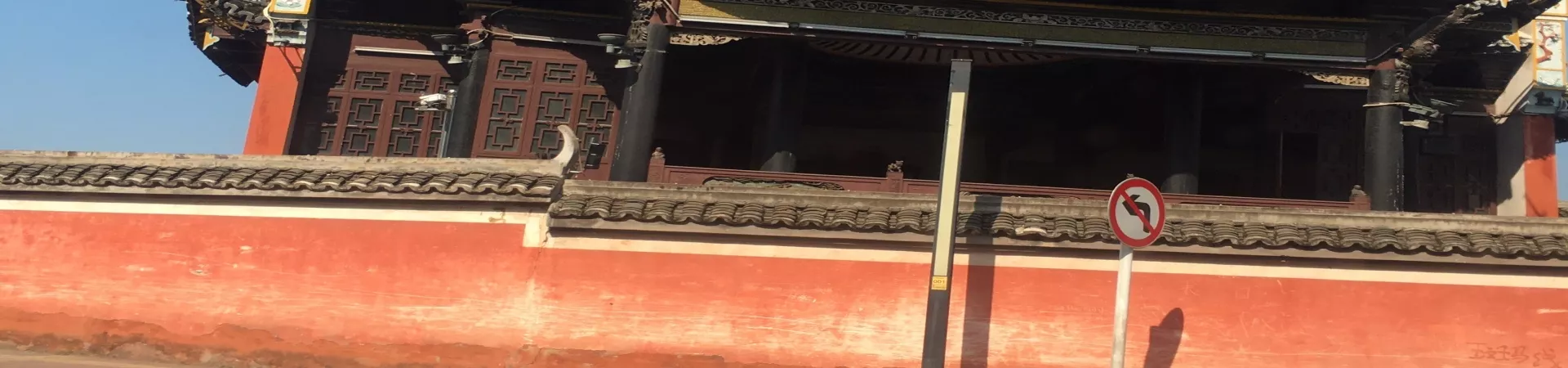
Architectural Splendor: The Heart of the Complex The Opera Tower: A Crown Jewel of Craftsmanship The centerpiece of the Water Mansion Temple is undoubtedly its magnificent Opera Tower. This structure underwent a significant and meticulous restoration in 1978 by the municipal government, ensuring its glory was preserved for future generations. From the exterior, the tower presents a formidable and elegant silhouette, standing three stories tall. Its most striking features are the gracefully upturned flying eaves, crowned with vibrant red ceramic tiles (丹顶) that seem to pierce the sky. This design not only exemplifies traditional Chinese architectural aesthetics but also creates a sense of dynamic grandeur.
Stepping inside reveals an equally breathtaking world. The interior is a celebration of intricate artistry, featuring exquisitely carved beams and painted rafters (雕梁画栋). Every surface tells a story through meticulous craftsmanship, with motifs and designs that reflect historical narratives and cultural symbolism. The combination of its robust external form and delicate internal decoration creates a captivating paradox—both powerfully imposing and ingeniously delicate (精巧玲珑). This unique architectural synthesis has rightfully earned the entire temple complex the prestigious status of a Provincial-Level Key Cultural Relics Protection Unit, marking it as a site of immense historical and artistic value.
The Enchanting Gardens and Pavilions A Landscape of Poetic Harmony Surrounding the main tower is the Water Mansion Garden, a compact yet masterfully designed (玲珑) retreat. The garden's layout is a study in classical Chinese landscape philosophy, which seeks to mimic natural beauty in a condensed, idealized form. At its forefront, a serpentine bank gently embraces the river (曲岸枕河), where the tranquil flow of water stands in peaceful contrast to the energy of the city. This vantage point offers picturesque views of light boats and occasional vessels gliding past, adding a layer of living scenery to the static beauty of the architecture.
Integrating Nature and Vista Enhancing this pastoral setting is the Half-Into-Clouds Ancient Pavilion (半入云古亭). True to its evocative name, this pavilion provides a elevated, peaceful spot for reflection, seemingly touching the sky. From here, visitors can enjoy one of the site's most celebrated views: the staggered reflection of three bridges to the southwest (西南三桥迭映). This scene, where ancient and modern structures visually interact across the water, encapsulates the site's unique charm—a seamless dialogue between different eras.
Practical Information for Your Visit Getting There: Seamless Urban Access Reaching the Water Mansion Temple is remarkably convenient thanks to Shaoyang's comprehensive public bus system. Multiple bus routes, including numbers 6, 9, 10, 15, and 102, have stops at the dedicated "Shuifumiao (Water Mansion Temple) Station." From the bus stop, a short and pleasant walk of approximately 300 meters will lead you directly to the temple entrance, making it an easily accessible destination for all travelers.
Visiting Details: Planning Your Exploration * Suggested Duration: To fully appreciate the architectural details, stroll through the gardens, and soak in the atmosphere, plan for a visit lasting between 1 to 3 hours. This allows ample time for photography, quiet observation, and simply enjoying the riverside ambiance. * Admission: For the most current information regarding entry fees, it is recommended to check directly with the scenic area management prior to your visit, as policies may be subject to change. * Opening Hours: The temple grounds offer exceptional flexibility for visitors, as they are open daily, all day, throughout the year. This "open all hours" policy allows for spontaneous visits and the opportunity to experience the site in different lights—from the soft morning glow to the dramatic hues of sunset against the ancient eaves.