Zhuji Wuxie Scenic Area
Subtitle: A Journey Through Cascading Waters and Timeless Serenity in Zhuji
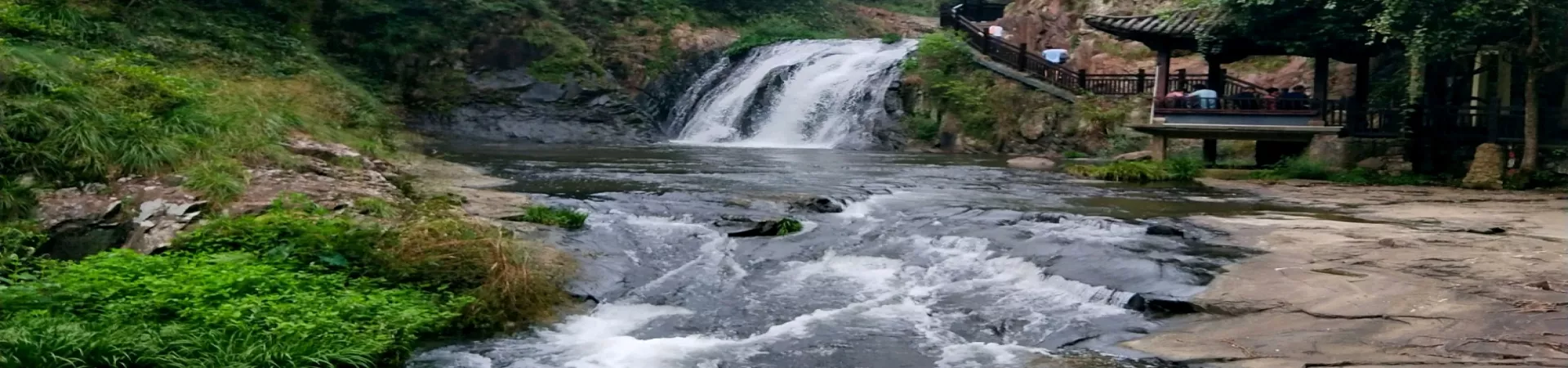
Nestled in the verdant landscapes of Zhuji, a county-level city under the administration of Shaoxing in Zhejiang Province, the Wuxie Scenic Area (五泄风景区) stands as a testament to nature's artistry and tranquil beauty. The name itself, "Wuxie," meaning "Five Cascades," perfectly encapsulates the area's most magnificent spectacle: a single, powerful mountain stream tumbling down a cliff in five distinct, dramatic leaps. However, to define Wuxie solely by its famous waterfall would be a great oversight. The area is a meticulously composed symphony of water, forest, canyon, and ancient culture, offering a profoundly refreshing escape for every season.
The Heart of the Scenic Area: Four Distinct Realms
The park is thoughtfully divided into four interconnected scenic zones, each offering a unique character and experience.
1. Wuxie Lake: The Gateway of Calm
Your journey typically begins at the serene Wuxie Lake. This artificial reservoir, cradled by forested hills, serves as the main gateway. The mandatory short boat ride across its glassy waters is not merely transport; it's an intentional transition. As the bustle of the outside world fades, the boat glides towards the embracing mountains, setting a tone of peace and anticipation for the natural wonders ahead. It acts as a beautiful prelude, separating the everyday from the extraordinary.
2. The Peach Blossom Grove (Taoyuan): A Secluded Prelude
Disembarking, visitors often pass through the Taoyuan area. True to its name, which evokes the legendary "Peach Blossom Spring" of Chinese poetry—a symbol of an idyllic, hidden world—this section features winding paths along quieter streams and lush vegetation. It's a gentle introduction to the forest ecosystem, a place to slow your pace and attune your senses to the sounds of birds and rustling leaves before encountering the mightier cascades.
3. East Source Canyon (Dongyuan): The Theater of Power
This is the classic, must-see route and the stage for the legendary Five Cascades. The experience here is one of ascending alongside raw, hydraulic power. The hiking trail follows the canyon upstream, revealing the waterfalls in reverse order, from the Fifth Cascade to the First.
- The Ascending Spectacle: You first encounter the Fifth Cascade (第五泄), where the water spreads wide and crashes vigorously into a shimmering pool. As you climb, each cascade reveals its unique personality—some are slender and graceful, others are concentrated and thunderous. The First Cascade (第一泄), near the top, is often the most dramatic, a concentrated jet of water plunging from the highest point.
- A Touch of History: Near the path lies the ancient Wuxie Chan Temple (五泄禅寺). Standing guard before this quiet monastery is a majestic millennium-old ginkgo tree. This golden-leaved sentinel, especially breathtaking in late autumn, adds a layer of deep temporal serenity to the dynamic landscape, connecting the fleeting moment of the falling water with enduring, centuries-old stillness.
The entire East Source is filled with the exhilarating roar and cool mist of the waterfalls. In summer, it transforms into a natural air-conditioned haven, where the negative ions and spray provide profound relief from the heat.
4. West Source Canyon (Xiyuan): The Whispering Contrast
For those seeking a different rhythm, the West Source Canyon offers a complete and deliberate contrast to the Dongyuan. If the East is about power and spectacle, the West is about intimacy and subtlety. Here, the paths are often damp and earthy, winding alongside trickling streams and small springs rather than monumental falls. The atmosphere is one of fresh, profound quietude, broken only by the gentle babble of water and birdsong. It’s a haven for contemplation, a place to immerse oneself in the delicate details of moss-covered rocks, dappled sunlight, and the rich, humid scent of the deep forest. Hiking the West Source is a meditative experience, showcasing the area's gentle, nurturing side.
A Destination for All Seasons
Wuxie’s beauty is ever-changing and always compelling throughout the year. * Spring & Summer: The forests are at their most vibrantly green. The waterfalls swell with meltwater and rain, displaying their maximum power. Summer, in particular, makes the canyon a popular retreat for cooling off. * Autumn: This is a season of spectacular color. The maple trees lining the valleys and slopes ignite in fiery reds and oranges, while the ancient ginkgo at the temple turns into a towering pillar of brilliant gold, creating a breathtaking panorama against the evergreen backdrop. * Winter: On chilly days, a quiet majesty descends. The water flow may be less torrential, but the landscape gains a stark, elegant clarity. Early winter offers the last glimpse of the golden ginkgo leaves, and on rare frosty mornings, delicate ice formations may adorn the edges of the cascades.
Essential Visitor Information
Transportation
The scenic area is accessible via public bus from Zhuji city center. Take Zhuji bus lines 157 or 57 and alight at the Wuxie Scenic Area (五泄风景区) station. From the bus stop, it is a short and well-signposted walk to the main entrance and ticket booth by Wuxie Lake.
Ticketing and Fees
- Standard Admission: The general entrance ticket is approximately 60 RMB per adult. This crucially includes the round-trip boat ride across Wuxie Lake.
- Concessions: Discounted tickets (around 39 RMB) are available for children with heights between 1.2 and 1.5 meters, seniors aged 60-69, and students with valid ID. Proof of eligibility is required.
- Free Admission: Children under 1.2m, seniors aged 70 and above, and visitors with disabilities can enter the park free of charge. Please note that while park entry is free, a separate 10 RMB fee for the essential boat transfer is usually required for these visitors.
- Important Note: All ticket information is subject to change. It is highly recommended to verify the latest prices and policies on the official scenic area website or notices before your visit.
Opening Hours
Operating hours vary seasonally: * Peak Season (June 1 - August 31): The park is generally open from early morning until evening, with specific last entry times posted. It often offers extended hours. * Off-Peak/Winter Season (December 1 - February 28/29): Hours are typically shorter, from around 8:00 am to 4:00 pm, with last entry at 4:00 pm. * Shoulder Seasons (Spring & Autumn): Hours usually fall between the above schedules. Always check the official schedule for the exact dates of your visit.
Suggested Duration
To fully appreciate at least the East Source canyon and the main waterfalls at a comfortable pace, a minimum of 3 to 4 hours is recommended. Allocating 5 to 6 hours or more allows for a more leisurely exploration, including visits to both the East and West Source canyons, the temple, and time for photography and rest.