Shaoxing Ancient City
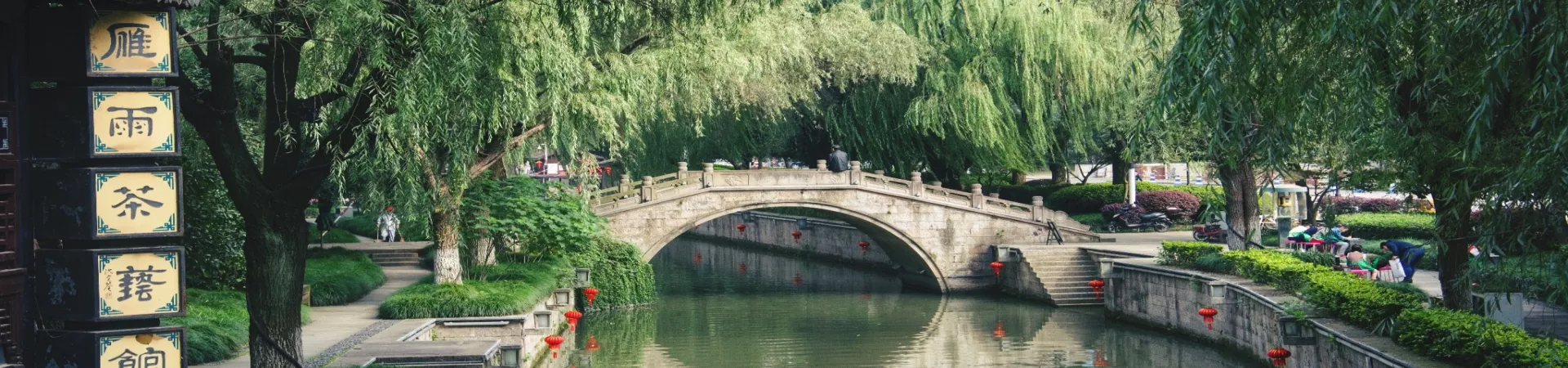
A Visitor's Guide to Shaoxing Ancient City: Timeless Canals and Cultural Heritage
Nestled in the heart of Zhejiang province, Shaoxing Ancient City is not merely a destination but an immersive journey into the soul of classical Jiangnan (south of the Yangtze River) China. More than 2,500 years of history resonate through its labyrinthine waterways, stone-paved lanes, and white-walled, black-tiled architecture. Unlike many restored ancient towns, Shaoxing pulses with authentic, daily life. It is a living museum where history is not behind glass but is in the rhythm of a boatman's pole dipping into green water, the aroma of fermented rice wine wafting from a corner shop, and the scholarly aura that lingers from its most famous sons. For the discerning traveler, Shaoxing offers a profound cultural and aesthetic experience, blending serene natural scenery with deep literary and historical significance.
Core Attractions and Cultural Sites
While the ancient city itself is a sprawling, open-air attraction best explored on foot or by boat, several key sites within and around its periphery stand as essential pillars of the Shaoxing experience.
The East Lake (Dong Hu): A Landscape of Stone and Poetry Carved over centuries from an abandoned quarry, the East Lake is a masterpiece of artificial landscaping. Sheer cliffs of gray stone, reflected perfectly in the tranquil lake below, create a scene of dramatic yet harmonious beauty. Visitors glide through narrow water passages and under stone bridges on traditional wupeng boats, manned by skilled boatmen who often use their feet to scull—a unique local technique. The lake's pavilions, such as the Xian Tao Pavilion, and the quiet gardens offer moments of contemplation. It is a place where nature has been thoughtfully shaped by human hands to inspire the mind, much as it did for the literati of old.
The Orchid Pavilion (Lan Ting): The Birthplace of Chinese Calligraphy's Sacred Text Located in the lush, forested hills southwest of the city, the Orchid Pavilion is hallowed ground in the world of Chinese art and literature. It was here, in the year 353 CE, that the legendary calligrapher Wang Xizhi gathered with forty-one friends for the Spring Purification Festival. Amidst the flowing streams and serene bamboo groves, they engaged in the elegant drinking game of "floating goblets" and composed poetry. Wang Xizhi's preface to this collection of poems, the Lantingji Xu (Preface to the Poems Composed at the Orchid Pavilion), is revered as the greatest work of running script calligraphy in history. The site today is a beautiful park featuring the reconstructed Flow Cup Pavilion, the Calligraphy Museum housing precious stele rubbings, and the Goose Pond, honoring Wang Xizhi's beloved geese. It is a pilgrimage site for understanding the refinement and philosophical depth of Chinese scholarly culture.
Key Historical & Literary Figures Shaoxing's identity is inextricably linked to several monumental figures. Lu Xun (1881-1936), the pioneering modern writer and social critic, was born here. His former residence, the Sanwei Study where he was educated, and the surrounding historic neighborhood have been meticulously preserved, offering intimate insight into his formative years. Wang Xizhi (303-361), as celebrated at the Orchid Pavilion, remains the "Sage of Calligraphy." Furthermore, the ancient philosopher and strategist Wang Chong of the Eastern Han Dynasty, and the heroic Southern Song poet-patriot Lu You, all hailed from this culturally fertile land. Their legacies are woven into the city's fabric, from museum exhibits to street names and local lore.
Experiencing the Ancient City: Practical Exploration
The true charm of Shaoxing lies in wandering without a strict agenda through its historic core, centered around neighborhoods like Keyan and along the Bazi Bridge area.
Navigating the Waterways: The Wupeng Boat To see Shaoxing as it was meant to be seen, a ride on a traditional black-canopied wupeng boat is essential. These slender boats silently navigate the network of canals, offering a duck's-eye view of ancient homes, bustling market streets, and stone bridges arching overhead. The gentle rocking and the sound of water lapping against the hull provide a uniquely tranquil perspective on city life.
A Culinary and Sensory Journey Shaoxing is a feast for the senses, most notably taste and smell. It is the undisputed home of Shaoxing wine, a fragrant, amber-hued fermented rice wine used both for drinking and as a key culinary seasoning. Tasting a vintage at a local winery or enjoying it warm in a traditional tavern is a must. The local cuisine is delicate and flavorful, featuring dishes like braised pork belly (Meigan Cai Kou Rou), stinky tofu with its potent aroma and delicious taste, and fried fermented tofu. Don't miss the chance to sip tea in a waterside teahouse, observing the slow pace of local life.
Essential Visitor Information
To ensure a smooth and enriching visit, please note the following practical details for the highlighted scenic areas.
Admission Fees
- East Lake (Dong Hu) Scenic Area: 50 RMB per person.
- Orchid Pavilion (Lan Ting) Scenic Area: 70 RMB per person.
- Note: Many areas within the ancient city proper, including the historic streets, canals, and Lu Xun's former residence compound, require separate admission tickets. Fees are subject to change, and combined tickets for multiple sites may be available.
Operating Hours The general operating hours for the East Lake and Orchid Pavilion scenic areas (and most managed cultural sites in Shaoxing) are:
- Opening Time: 8:30 AM
- Last Admission: 5:00 PM
- Closing Time: 5:00 PM
- These hours are typically in effect year-round, Monday through Sunday. It is always advisable to confirm the latest times, especially during national holidays or for specific attractions, as hours for smaller museums or residences may vary slightly.
Beyond the Itinerary: Capturing the Essence
The magic of Shaoxing often appears in unplanned moments. Spend time getting lost in the alleys away from the main tourist paths. Visit a local market in the early morning. Watch elderly residents play chess by the canal or practice tai chi in a small square. Engage with shopkeepers selling handcrafted bamboo items or brushes and inkstones. The city's profound cultural atmosphere—the wenhua—is not confined to ticket gates; it is in the everyday grace of its people and the enduring beauty of their environment. Allow the city's slow, watery rhythm to replace the haste of modern travel, and you will depart with a sense of having connected with a timeless and essential thread of Chinese civilization.