Zhuji Ancient Lane
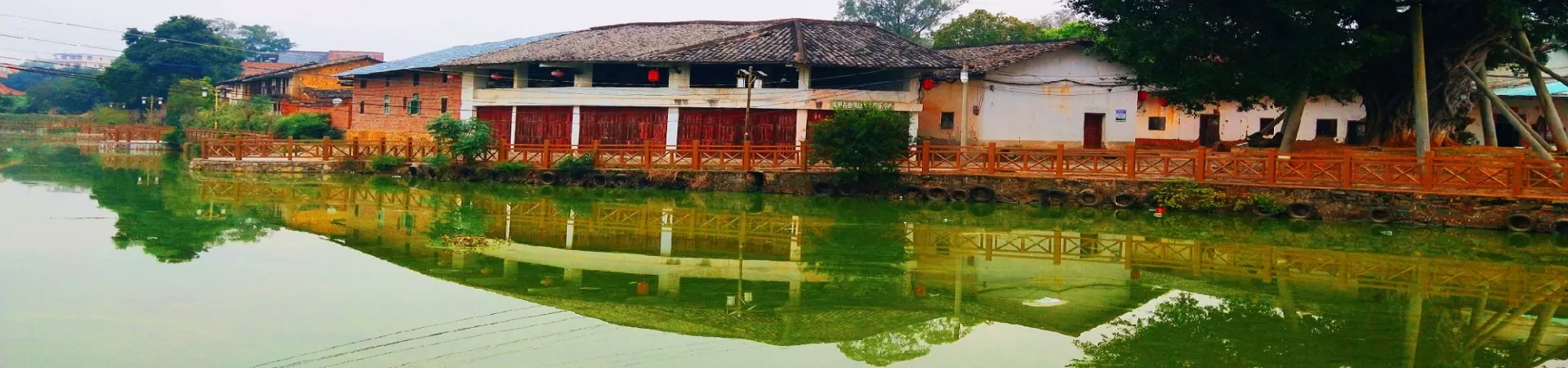
Subtitle: Tracing Ancestral Roots: A Journey Through Time in Shaoguan's Ancient Lane
Introduction: The Living Chronicle of Southern China
Nestled in the Nanxiong region of Shaoguan, Guangdong Province, lies Zhuji Lane, also historically known as Shashui Town. This is not merely a scenic old street; it is a profound cultural artery, a living museum etched with over 1,100 years of history. Its story begins during the reign of Emperor Jingzong of the Tang Dynasty, from which it derived its enduring name. For countless visitors, especially those tracing their lineage, Zhuji Lane represents far more than ancient architecture—it is a sacred ancestral homeland. It stands as the veritable cradle of numerous major clans and family surnames that later flourished across the Pearl River Delta. Furthermore, its role was pivotal during the grand migrations of the Hakka people, serving as a critical transit point and settlement area as they moved southward into the Lingnan region. A visit here is a walk through the pages of a collective family history, where every stone and stream whispers tales of resilience, journey, and settlement.
Section 1: The Historical and Cultural Heartbeat
1.1. A Nexus of Migration and Heritage Zhuji Lane's paramount significance lies in its demographic history. For centuries, it was a bustling hub where families from the Central Plains gathered, rested, and reorganized before dispersing further into Guangdong and beyond. This made it the "source" for countless genealogies. Today, millions of descendants, both domestically and overseas, trace their roots back to this narrow lane. The Hakka people, in particular, regard it with deep reverence as a key milestone in their arduous southward exodus, a place that embodies their spirit of perseverance and adaptation.
1.2. Architectural Poetry: A Glimpse into the Past The lane's physical charm is a direct reflection of its storied past. The ambiance is one of serene antiquity, perfectly captured by the phrase: "Ancient lanes, ancient towers, ancient pagodas, ancient banyan trees, ancient bridges over flowing streams, all harmoniously coexisting with local life." This landscape presents a timeless picture of traditional Lingnan settlement. Meandering stone-paved paths are flanked by well-preserved ancient buildings, their weathered facades telling silent stories. Majestic ancient banyan trees, with their sprawling roots and dense canopies, have stood as silent witnesses for generations. The elegant ancient bridges arching over gentle streams complete a scene of idyllic, historical beauty.
Section 2: Core Attractions and Sites of Reverence
2.1. Zhuji Lane Museum: The Narrative Center To fully contextualize the lane's importance, a visit to the Zhuji Lane Museum is essential. This institution serves as the definitive guide to the area's history. Through detailed exhibitions, genealogical records, historical artifacts, and multimedia presentations, the museum systematically outlines the migration patterns, the major family surnames that originated here, and the lane's development through dynastic changes. It provides the scholarly backbone that enriches the experiential exploration outside.
2.2. Memorial Hall of Consort Hu: A Legend in Stone One of the most poignant sites within the lane is the Memorial Hall of Consort Hu. This site commemorates the tragic legend of a Tang Dynasty imperial concubine, Hu Fei, who, according to folklore, fled to this remote area. Her story is intricately woven into the local heritage and symbolizes the trials and tribulations faced by early settlers. The hall offers a touch of royal mystery and human drama amidst the broader narrative of clan migration.
2.3. Ancient Ancestral Temples: Halls of Reflection Scattered throughout the lane are various ancient ancestral temples (宗祠). These solemn structures are the spiritual core of Zhuji Lane. Stepping into one of these halls, with their intricate woodwork, ancestral tablets, and lingering scent of incense, is a powerful experience. It is here that one can most vividly "glimpse the strong and towering figures of the ancestors." These temples are active places of remembrance, connecting the present generation with those who walked these paths centuries ago.
Section 3: Essential Visitor Information
3.1. Planning Your Visit * Opening Hours: The lane is open daily from 08:00 to 17:30, with last admission at 17:30. * Admission Fees: * Standard Adult Ticket: 40 RMB. * Concession Ticket (likely applicable to children, students, and seniors): 20 RMB. * Suggested Duration: A comprehensive visit, including the museum, memorials, temples, and a leisurely stroll through the lanes, requires approximately one full day.
3.2. Transportation and Access Reaching Zhuji Lane involves a final leg of travel that adds to its off-the-beaten-path allure. The most common approach is to take the Nanxiong Bus Route 7 and alight at the Tangdong Village (Bus Station) stop. From there, visitors should be prepared for a 3.2-kilometer walk to the entrance. This journey through the rural landscape effectively sets the stage, distancing one from the modern world and easing the transition into the historical atmosphere of the lane.
3.3. Practical Tips for Travelers Prospective visitors should note that operational details such as ticket prices and hours, while accurate as of the last update (January 29, 2023), are subject to change. It is always advisable to verify the latest information through official channels or local tourist information services prior to your visit. Wearing comfortable walking shoes is highly recommended due to the stone paths and the distance from the bus stop.