Bottom and top of the ship
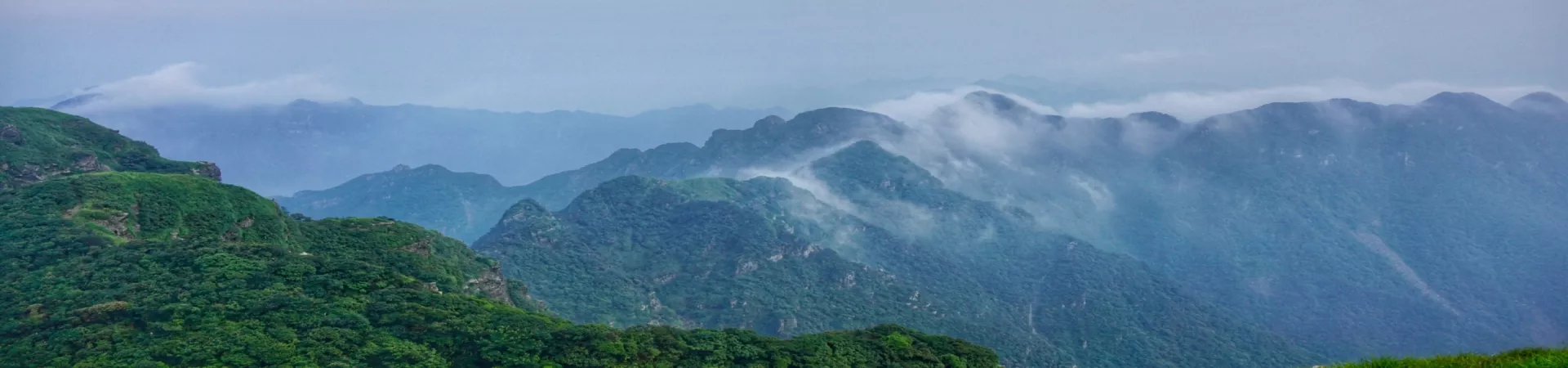
Subtitle: A Guide to Chuandiding Peak in Shaoguan, China
Introduction to Chuandiding
Nestled within the verdant, rolling landscapes of northern Guangdong Province, Chuandiding (船底顶), which translates poetically to "Boat Bottom Peak," stands as one of the most iconic and challenging hiking destinations in South China. Far more than a simple scenic spot, it is a rite of passage for avid Chinese backpackers and a stunning natural monument within the Nanling Mountain Range. The peak's name is derived from its unique summit, which from certain angles resembles the inverted hull of a traditional boat. Reaching an elevation of approximately 1,586 meters, it is not the highest peak in the region, but its rugged terrain, dramatic alpine meadows (known locally as "Big Grassland"), and the sheer physical demand of the traverse have earned it a formidable reputation. Often referred to as the "Graduation Trip" for outdoor enthusiasts in Guangdong, a successful summit of Chuandiding symbolizes endurance, preparation, and a deep respect for the raw power of nature.
The Hiking Experience and Key Challenges
2.1 The Classic Traverse Routes The true essence of Chuandiding lies in the multi-day hiking expeditions across its ridges. There is no gentle tourist path to the top; access is strictly via demanding wilderness trails. The most famous route is the "Chuandiding Classic Traverse," typically a 2-3 day journey covering 30-40 kilometers. It often starts from locations like Luoxia or Shangzhe and finishes at Ping坑. This route throws a relentless series of challenges at hikers: steep, slippery ascents like the notorious "断崖" (Broken Cliff), endless rocky river valleys that require careful boulder-hopping, dense sections of bamboo forests, and finally, the exposed, wind-swept ridges leading to the summit. The reward for this effort is an ever-changing panorama of deep valleys, sea of clouds at sunrise, and the breathtaking expanse of the "Big Grassland" near the peak.
2.2 Essential Preparation and Safety Considerations Attempting Chuandiding without serious preparation is ill-advised and dangerous. This is not a casual day hike. * Fitness and Skill: Hikers must possess excellent physical condition, prior experience with multi-day backpacking, and solid navigation skills. The trail is unmarked in many sections, and fog can descend rapidly, causing disorientation. * Seasonal Factors: The best and safest times to attempt the hike are during the dry, stable seasons of autumn (October-December) and spring (April-May). Summers are plagued by torrential rain, leeches, and a high risk of flash floods in the valleys. Winters can bring freezing temperatures and icy winds at the summit. * Self-Sufficiency: There are zero facilities on the mountain. Hikers must carry all necessary gear: a sturdy tent, cold-weather sleeping bag, reliable cooking system, at least 3-4 liters of water capacity (with purification means), and high-calorie food for the entire journey. A detailed topographic map, compass, GPS device, headlamp, first-aid kit, and power bank are non-negotiable.
Practical Visitor Information
3.1 Location and Access Chuandiding is administratively part of Shaoguan City, but its trailheads are remote. The most common starting point involves traveling to the county-level city of Yingde. From Yingde, a long drive on rural roads is required to reach the actual village trailheads (e.g., Luoxia Village). This final leg often necessitates hiring a local driver familiar with the rough mountain roads. There is no direct public transportation to the trailheads, making private arrangement or joining an organized outdoor group the only viable options.
3.2 Admission and Opening Hours As a vast, undeveloped wilderness area, there is no entrance fee or ticket to hike Chuandiding. Similarly, there are no official opening or closing hours; access is technically available 24 hours a day, year-round. However, this "open" policy underscores the absolute responsibility placed on the hiker. The mountain does not close because it is never "safe" in a managed sense. The decision to enter and the timing of that entry are critical personal judgments based on weather, ability, and preparedness.
3.3 Time Required The reference of "1-3 hours" is profoundly misleading for the full Chuandiding experience. That duration might apply only to visiting a peripheral scenic point accessible by car near the foothills. For the definitive summit trek, hikers must allocate a minimum of two full days, with three days being the standard and most recommended timeframe. This allows for a safer pace, time to set up camp before nightfall, and the opportunity to fully appreciate the landscapes without exhausting, risky forced marches.
The Summit and Natural Environment
4.1 The Iconic Summit Landscape Reaching the summit of Chuandiding is a moment of profound accomplishment. The peak itself is a broad, rocky dome offering 360-degree views. On a clear day, you can see a seemingly endless succession of blue-green mountain ridges fading into the horizon. The most famous feature is the "Big Grassland," a large, sloping alpine meadow just below the summit where hikers often camp. Waking up here to a sunrise over a rolling ocean of clouds is the quintessential Chuandiding experience. The summit is also marked by a simple stone cairn and sometimes a weathered flag, symbols left by previous pilgrims to this outdoor shrine.
4.2 Flora, Fauna, and Conservation The ecosystem of Chuandiding is diverse and fragile. The hike takes you through subtropical evergreen forests, bamboo groves, rhododendron thickets, and finally to the unique high-altitude grassland. It is a habitat for various wildlife, including birds, reptiles, and small mammals. As visitors, it is a paramount duty to practice Leave No Trace principles. All trash, including organic waste, must be carried out. Camping should be done on durable surfaces, and no plants or rocks should be removed. Protecting the pristine beauty of Chuandiding is the collective responsibility of everyone who answers its call.
4.3 Cultural Significance in the Outdoor Community Beyond its physical attributes, Chuandiding holds a special place in the heart of China's growing outdoor community. Completing the traverse is a badge of honor, a shared story that bonds hikers. Online forums are filled with detailed trail logs, gear recommendations, and trip reports centered on "毕业船底顶" (graduating from Chuandiding). It represents a move beyond beginner-friendly hikes into the realm of serious, self-reliant wilderness adventure. This cultural status makes it a recurring goal, a topic of endless discussion, and a benchmark for personal achievement in the natural world.