Pingtian Ginkgo Hometown
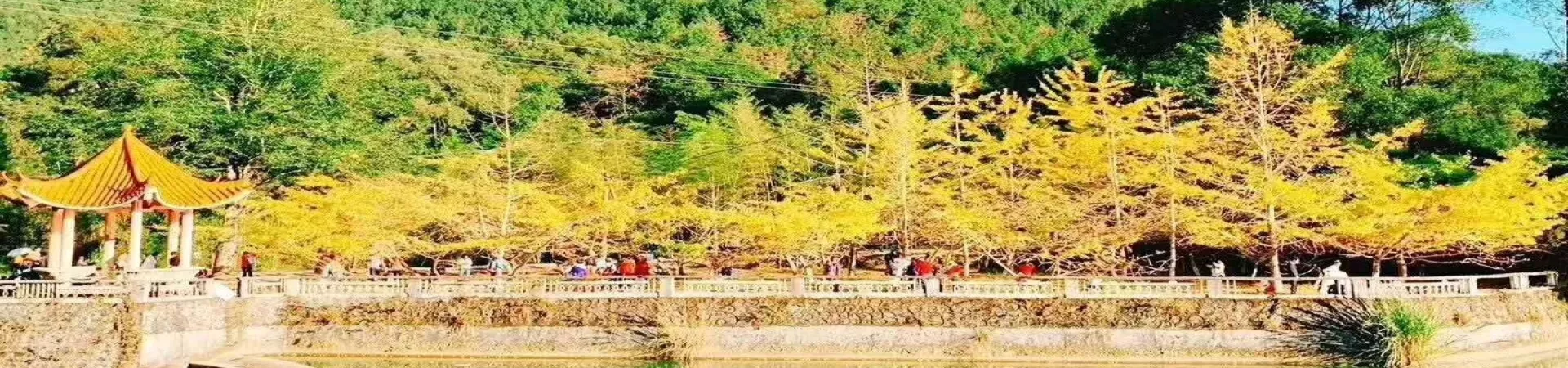
Subtitle: A Golden Escape to Guangdong's Ancient Ginkgo Forest
Introduction: The Allure of Autumn Gold
Nestled approximately 58 kilometers east of Nanxiong City in Guangdong Province, the town of Pingtian is a hidden gem in northern Guangdong, renowned across the region as the "Hometown of Ginkgo." This distinction is not merely a title but a living testament to time, as the landscape is adorned with an estimated 5,000 ancient ginkgo trees, each boasting a history of over a century. These venerable trees are not only a cultural heritage but also a vital part of the local economy, producing hundreds of tons of ginkgo nuts annually. However, it is during the crisp days of late autumn that Pingtian undergoes a breathtaking transformation, drawing visitors into a scene straight out of a classical painting. The foliage of these ancient trees turns a brilliant, uniform gold, creating a mesmerizing spectacle where the ground becomes a carpet of sunlight-yellow leaves. This natural phenomenon, poetically known as "Ginkgo Dyeing Autumn," has cemented Pingtian's status as one of Nanxiong's and indeed Guangdong's most iconic and essential seasonal destinations, particularly captivating photographers, painters, and writers who pilgrimage here to capture its ephemeral beauty.
Planning Your Visit: Essential Information
Getting There: The Journey to the Golden Forest The adventure begins in Nanxiong City. The distance from Nanxiong to the heart of Pingtian's ginkgo area is approximately 55 kilometers. The most straightforward and economical way to reach Pingtian is by public bus. Departing from Nanxiong Bus Station, the bus travels to its final stop at the Pingtian Town Center (historically the site of the People's Commune Hall). The journey offers a scenic glimpse into the countryside and takes about 90 minutes. The fare is very reasonable, typically around 15 RMB per person. For those seeking more flexibility or traveling in a group, hiring a private car or taxi from Nanxiong is a viable, though more expensive, alternative.
Admission and Opening Hours: Unrestricted Beauty One of the most appealing aspects of visiting Pingtian's Ginkgo Village is its accessibility. Admission to the area is completely free. There are no entrance fees or tickets required to wander among the ancient trees and enjoy the golden landscapes. Furthermore, the site is open 24 hours a day, every day of the year. This round-the-clock access allows for incredible flexibility in planning. Visitors can choose to arrive at dawn to witness the morning mist weaving through golden branches, spend the full day exploring, or even experience the tranquil beauty of the forest under the afternoon or early evening light.
Experiencing Pingtian: Villages and Vistas
Key Villages and Photography Spots The golden tapestry of Pingtian is spread across several charming, traditional villages, each offering a unique perspective. It is recommended to allocate a minimum of 3 hours to fully appreciate the area, though many visitors find themselves spending half a day or more immersed in the scenery.
Aobei Village: Often considered the centerpiece, Aobei is home to some of the oldest and most majestic ginkgo trees. The village features a famous "grandfather" ginkgo tree, immense and awe-inspiring, standing as a silent guardian over the village houses. The contrast between the golden canopy, the rustic architecture, and the daily life of villagers creates a profoundly photogenic scene.
Jingtang and Jiangtang Villages: These adjacent villages offer slightly more intimate settings. The trees here are intricately woven into the fabric of the community, lining narrow paths and courtyards. It’s an excellent place to observe the integration of natural wonder with rural life and to find quieter corners for contemplation or photography away from the main crowds.
Wangtang and Junyingzhai: Junyingzhai, in particular, is famed for its elevated location. A visit here often involves a short hike to a vantage point that provides a breathtaking panoramic view of the valley below, where clusters of ginkgo trees create patches of gold amidst the green hills. It is the premier spot for landscape photographers aiming to capture the vast scale of "Ginkgo Dyeing Autumn."
Cultural and Sensory Immersion Beyond visual splendor, a visit to Pingtian is a cultural experience. The air carries the distinctive, faintly pungent scent of fallen ginkgo leaves and nuts. Local vendors often sell freshly harvested ginkgo nuts (baiguo) and other rural specialties, offering a chance to taste the local produce. Engaging with friendly villagers provides insight into the deep historical connection they share with these trees, which have been a source of food, medicine, and beauty for generations. The slow pace of life, the texture of the ancient bark, and the crunch of leaves underfoot combine to create a multi-sensory journey that transcends a simple sightseeing trip.