Nanhua Temple
A Pilgrimage to the Source: Unveiling Nanhua Temple, the Cradle of Chan Buddhism
Nestled in the serene landscapes of Shaoguan, Guangdong Province, lies a sanctuary of profound historical and spiritual significance—Nanhua Temple. More than just an ancient architectural complex, it stands as the vibrant heart and progenitor of Chan (Zen) Buddhism, a living testament to a philosophical tradition that has shaped cultures across Asia and the world.
I. A Legacy Carved in Time: Historical Significance
The temple's story begins in the distant year of 502 AD, during the reign of Emperor Wu of the Liang Dynasty in the Northern and Southern Dynasties period. With a history spanning over 1,480 years, its walls echo with the whispers of centuries. However, Nanhua Temple's true global prominence is inextricably linked to a single, monumental figure: the Sixth Patriarch of Chan Buddhism, Huinen.
For 37 years, the Sixth Patriarch Huineng made Nanhua Temple his dharma seat, preaching his revolutionary interpretation of Buddhist teachings that emphasized sudden enlightenment and the inherent Buddha-nature within all beings. His profound insights, delivered here, attracted disciples from far and wide. It was from this very ground that his 43 principal Dharma heirs disseminated his teachings across China, which subsequently branched into the Five Houses of Chan: the Linji, Weiyang, Caodong, Yunmen, and Fayan schools. This flourishing is poetically described as "One Flower, Five Petals."
Due to its pivotal role as the fountainhead from which these major schools originated, Nanhua Temple is revered across the Buddhist world as the "Ancestral Temple" or "Zuting." Its influence radiated far beyond China's borders: the Fayan school reached Thailand and Korea; the Caodong and Linji schools flourished in Japan; and the Yunmen and Linji traditions eventually crossed oceans to influence spiritual thought in Europe and America.
II. Practical Information for Your Visit
1. Temple Layout and Key Highlights
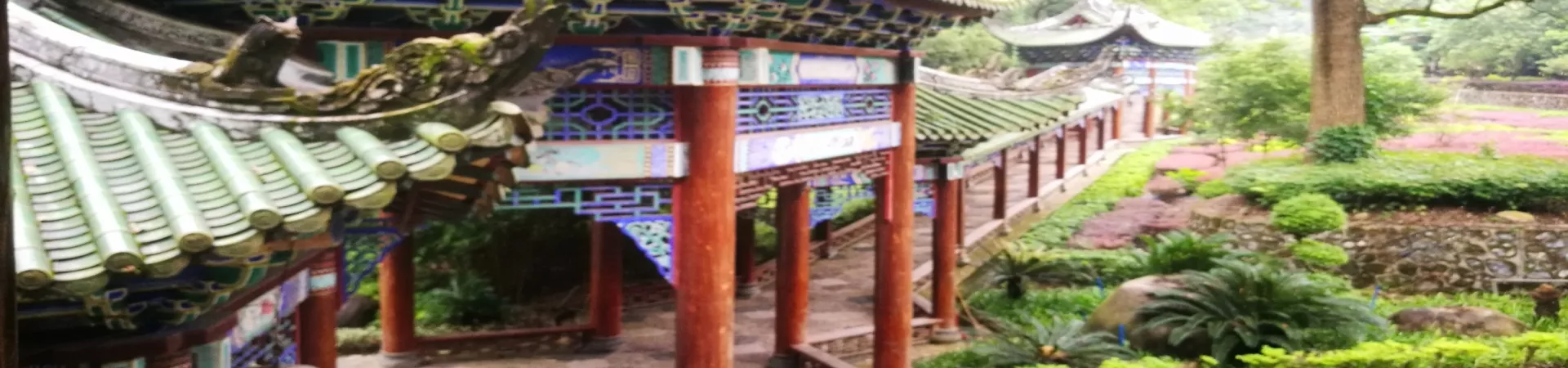
While the temple complex follows traditional Chinese Buddhist architecture, its soul resides in key sites connected to the Sixth Patriarch. Visitors should prioritize: * The Sixth Patriarch Hall: The spiritual core of the temple, housing the revered incorruptible body (mummy) of Master Huineng, seated in meditation. This sacred relic is a focal point for pilgrimage and reverence. * The Bodhi Tree: Planted by the Sixth Patriarch himself, this tree symbolizes the enlightenment he attained. * The Hall of Heavenly Kings & The Mahavira Hall: Featuring impressive statues and traditional craftsmanship, these halls set the tone for contemplation and worship. Exploring the tranquil courtyards, ancient trees, and flowing streams surrounding the main halls is equally essential to experience the temple's serene atmosphere.
2. Planning Your Journey
- Opening Hours: 08:30 - 17:00 daily. Last admission is at 14:30.
- Admission Fee: 20 RMB per person.
- Free Admission: Children under 1.4 meters in height and seniors aged 70 and above.
- Important Note: It is highly recommended to contact the temple in advance for any required booking procedures or the latest visitation guidelines. Reservations might be necessary.
- Recommended Duration: Allocate 1 to 3 hours for a thorough visit, allowing time for quiet reflection amidst the historical and natural setting.
3. Getting There
The temple is accessible via public transport from Shaoguan city. * By Bus: Take bus routes 23, Urban Bus Line 3, or the dedicated Nanhua Temple Special Line. Alight at the Nanhua Temple Bus Station. From there, it is a short and pleasant walk of approximately 420 meters to the temple entrance.
4. Contact Details
For direct inquiries regarding visits, events, or confirmation of details: * Telephone: +86 751 6502358; +86 751 6501014
III. The Enduring Spirit: More Than a Monument
A visit to Nanhua Temple transcends typical tourism. It is an immersion into the living history of Chan Buddhism. This is not merely a museum of the past but a place where the legacy of Huineng's direct, intuitive teachings continues to inspire. Monks still practice here, and the temple remains an active center for Buddhist study and meditation.
Walking its paths, one follows in the footsteps of masters who shaped spiritual history. The air seems imbued with a legacy of introspection and awakening. Whether you are a spiritual seeker, a history enthusiast, or a cultural traveler, Nanhua Temple offers a unique, profound encounter with one of the world's great wisdom traditions at its very source. It stands as a timeless bridge connecting ancient enlightenment to the modern seeker.