Meiguan Ancient Road Scenic Area in Nanxiong City
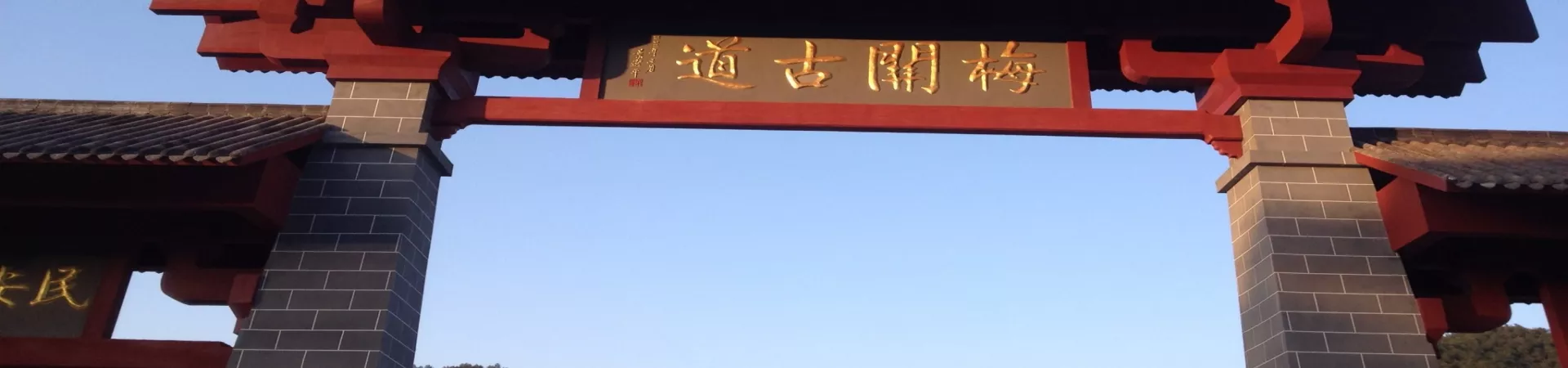
Subtitle: A Walk Through History, Nature, and Poetry on the Ancient Meiguan Pass Road
1. Introduction: The Strategic Throat of Southern China Nestled atop the Meiling Ridge in Nanxiong City, Shaoguan, the Meiguan Ancient Road is far more than a simple mountain path. It represents a vital artery of Chinese history, a strategic military nexus, and a timeless source of artistic inspiration. Historically synonymous with Nanxiong itself, this pass has served as a crucial north-south thoroughfare for over two millennia. Its strategic importance cannot be overstated; controlling Meiguan meant controlling the flow of people, goods, and armies between the central plains and the Lingnan region, making it a fiercely contested spot for military strategists throughout the ages. Today, it offers visitors a profound journey where every step echoes with the whispers of history, the resilience of nature, and the verses of legendary poets.
2. A Journey Through Time: The Historical Layers of Meiguan 2.1. Foundations in the Qin Dynasty The establishment of a formal pass at Meiguan dates back to the Qin Dynasty (221-206 BC), under the ambitious projects of the First Emperor. This early fortification marked the beginning of its official role as a state-controlled gateway, integral to the administration and unification of the southern territories. It was a key point on the ancient route that connected the heartland of Chinese civilization with the vast lands to the south.
2.2. A Contested Pass Through the Dynasties Following its Qin origins, Meiguan’s significance only grew. During periods of division and conflict, it became a literal and symbolic battleground. Its formidable natural defenses, combined with man-made fortifications, made it a coveted stronghold. Armies clashed here, dynasties secured their borders, and the fate of regions was often decided on these slopes. Walking the ancient flagstone path, one can almost hear the echoes of marching soldiers and the clashing of arms that once defined this serene landscape.
2.3. A Conduit for Culture and Commerce Beyond warfare, the Meiguan Ancient Road was a vibrant channel for cultural exchange and economic activity. For centuries, it was part of the critical network facilitating the trade of goods like tea, silk, and porcelain. Scholars, officials, merchants, and migrants traversed this pass, carrying with them ideas, customs, and technologies that helped shape the cultural tapestry of Guangdong and beyond. It stood as a tangible link between diverse communities, fostering interaction and integration.
3. The Natural and Poetic Tapestry of Meiling Ridge 3.1. Ancient Maple Forests and Verdant Canopies The journey along the古道 is framed by breathtaking natural beauty. The slopes are guarded by millennia-old maple trees, their roots gripping the historical stones, their branches forming lush, expansive canopies. These venerable giants, with leaves that turn fiery shades in autumn, present a scene of majestic and enduring tranquility. They have silently witnessed the entire human drama of the pass, their "ye mao ru gai" (lush foliage like covers) providing shade to travelers from every era.
3.2. The Legendary "Meiling Three Chapters" The natural beauty of Meiling is forever intertwined with modern revolutionary history. In the mid-20th century, the renowned communist leader and poet, Chen Yi, found refuge and inspiration in these very hills during the arduous years of warfare. Surrounded by enemy forces and facing immense hardship, he composed the famous and stirring poem series, "Three Stanzas at Meiling" (Meiling San Zhang). These poems, expressing unwavering revolutionary faith and optimism in the face of adversity, are now indelibly linked to the spirit of the place. Plaques inscribed with his verses along the path allow visitors to reflect on this powerful chapter of history amidst the landscape that inspired it.
3.3. The Winter Spectacle: A Blossoming Sea of Red Plum Perhaps the most iconic natural spectacle occurs in the depth of winter. When chill grips the ridge, the hardy red plum blossoms (meihua) defiantly burst into bloom. The sight of these vibrant flowers against the stark winter backdrop is a celebrated symbol of resilience, purity, and hope in Chinese culture. The blossoms appear in "bai tai qian zi" (a hundred forms and a thousand poses), each tree competing in elegance and beauty, transforming the ancient pass into a fragrant, poetic wonderland. This seasonal display adds a layer of sublime beauty to the historical gravitas of the site.
4. Practical Information for the Visit 4.1. Location and Access The Meiguan Ancient Road Scenic Area is located on the Meiling Ridge within Nanxiong City, under the jurisdiction of Shaoguan, Guangdong Province. It is accessible by road from Nanxiong city center or from the Jiangxi province side of the ridge.
4.2. Admission Fees and Opening Hours * Ticket Price: The standard admission fee is 40 RMB for adults. This pricing is consistent throughout the year. * Operating Hours: The scenic area is open daily from 08:00 to 17:30. The last admission is at 17:30. It is advisable to allocate sufficient time to ascend, explore, and descend at a comfortable pace.
4.3. Suggested Duration and Preparation A thorough visit to the Meiguan Ancient Road typically requires 3 hours or more. This allows time to walk the main historic path, appreciate the ancient architecture of the pass gate, contemplate the poetic inscriptions, enjoy the natural scenery, and visit related historical sites. Visitors should wear comfortable walking shoes suitable for ancient stone steps and moderate slopes. Bringing water, sun protection, or rain gear depending on the season is recommended. For any inquiries prior to your visit, you may contact the scenic area at 0751-3591765.
The experience of Meiguan is one of layered discovery. It is where the physical act of walking an ancient trail merges with contemplating grand historical narratives, drawing inspiration from heroic poetry, and marveling at nature's cyclical artistry. It is not merely a tourist attraction but a pilgrimage through the enduring pillars of Chinese civilization: history, literature, and the natural world.