Treasure Island
Subtitle: A Journey to Nan'ao's Enchanted Isle of Legend and Landscape
Introduction: Where Legend Meets the Sea
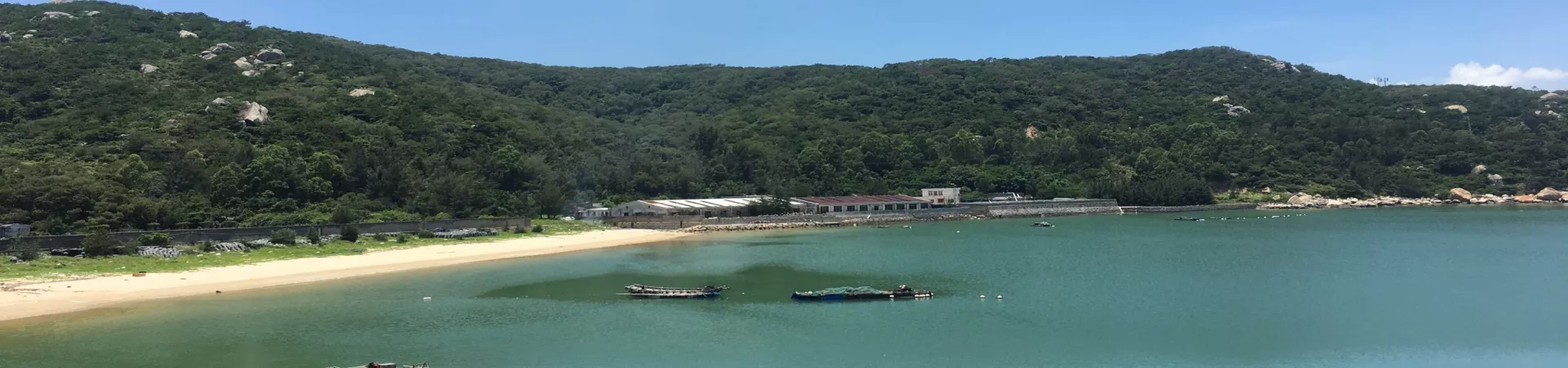
Nestled off the coast of Nan'ao Island in Shantou, Guangdong, lies a small, captivating landmass known as Jinyindao, or Gold and Silver Island. More than just a scenic outcrop, this island is a tangible piece of local folklore, immortalized as one of the filming locations for the CCTV documentary series "Treasure Hunt on Nan'ao Island." Its very name and existence are inextricably linked to a centuries-old tale of pirates and hidden treasure, offering visitors a unique blend of natural wonder and mysterious legend. Covering approximately 1,000 square meters, this compact island is a geological marvel, formed entirely from interconnected natural granite boulders. It presents an intriguing promise: a short visit packed with the allure of adventure, the serenity of sea views, and the thrill of walking through a real-life pirate story.
The Legend of Wu Ping: The Island's Beating Heart
The Pirate and the Treasure The soul of Jinyindao is the legend of Wu Ping, a notorious 16th-century pirate who operated in the South China Sea. As the story goes, after being defeated in battle and facing imminent capture, Wu Ping sought to safeguard his vast plunder. He allegedly hid 18 enormous jars filled with gold, silver, and precious treasures somewhere on or around this very island. The clue to its location was said to be a cryptic riddle: a spot that "is not submerged at high tide, yet is drowned under three feet of water at low tide." This paradoxical description has baffled treasure hunters for generations.
An Enduring Mystery Despite numerous searches over hundreds of years, Wu Ping's colossal fortune has never been recovered. This unsolved mystery is the definitive origin of the island's evocative name, "Gold and Silver Island." It transforms every rocky crevice and hidden corner from mere stone into a potential vault, inviting every visitor to ponder the secret that lies just beneath their feet or beyond the next turn. The legend is not a distant myth here; it is the pervasive atmosphere, making exploration feel like a personal quest.
Exploring the Island's Treasures: A Guide to Key Sites
While the fabled gold may remain hidden, Jinyindao offers abundant visual and historical treasures to discover. A well-laid path guides visitors through its enchanting landscape.
Natural Architecture: Caves, Bridges, and Grottos The island's primary fascination is its unique geological formation. Giant granite rocks, sculpted by millennia of wind and sea, are piled upon one another, creating a labyrinthine environment.
- Winding Paths and Cool Caves: Narrow, twisting stone pathways lead explorers through this maze. The rock formations naturally create deep, shaded grottos and tunnels that provide a refreshing escape from the subtropical sun, remaining remarkably cool even on the warmest days.
- The Natural Arch and Peculiar Stones: A highlight is the natural stone arch, often referred to as the "Heavenly Bridge," which frames stunning views of the sapphire sea. Throughout the island, visitors will encounter strangely shaped boulders and rock piles, each one fueling the imagination—could any of these be a marker for the lost treasure?
Man-Made Points of Interest Integrated seamlessly into the rocky terrain are several sites that commemorate the island's legendary past and enhance the visitor experience.
- Wu Ping's Treasure Burial Site: A designated spot marked as "Wu Ping's Gold Hiding Place" allows one to stand where the pirate might have stood, adding a tangible connection to the tale.
- The Statue of Wu Ping's Sister: One of the most iconic features on the island is the stone statue of Wu Ping's sister. Local lore suggests she was left to guard the treasure, and her solemn gaze out to sea is a poignant reminder of the legend's human element.
- Historical Engravings and Leisure Spots: Scattered around are pieces of "moya" stone carvings (engravings on cliff faces). For relaxation, there is a simple but charming "Umbrella Pavilion" offering shade and panoramic vistas, as well as a fishing platform that extends over the water, perfect for enjoying the rhythmic sound of the waves.
Practical Information for Your Visit
Access, Fees, and Timing Jinyindao is accessible via a short boat ride from the main island of Nan'ao. A visit is typically combined with a broader tour of Nan'ao's highlights.
- Admission Fees:
- Standard Adult Ticket: 6 RMB.
- Concession Ticket (for seniors, children, and students): 3 RMB.
- Operating Hours: The island is open daily from 8:00 AM to 5:30 PM, with the last admission at 5:00 PM. These hours are consistent throughout the year.
- Suggested Duration: Most visitors find that spending 1 to 3 hours on Jinyindao is sufficient to leisurely explore all its nooks, crannies, and viewpoints, absorb the legendary atmosphere, and take ample photographs.
Conclusion: The Lasting Allure A trip to Jinyindao is ultimately a journey into a narrative. It is a place where nature’s rugged artistry provides the perfect stage for a timeless story of adventure and secrecy. Whether you are a history enthusiast captivated by the Wu Ping legend, a geology lover fascinated by the granite formations, or simply a traveler in search of a uniquely picturesque and storied destination, Gold and Silver Island delivers an experience that resonates long after you depart its shores. It stands as a beautiful testament to how landscape and lore can intertwine to create a destination that is truly greater than the sum of its parts.