Shantou Old Town
Subtitle: A Journey Through Time: Exploring the Architectural and Cultural Heart of Shantou
Introduction: The Soul of a City Nestled along the coast of Guangdong Province, the Old Town of Shantou (汕头老城) stands not merely as a collection of aging streets but as the living, breathing soul of the city. For visitors, it offers an immersive journey into a pivotal era of modern Chinese history, where East met West in a vibrant fusion of commerce, architecture, and community. More than a tourist attraction, it is a poignant landmark for the Overseas Chinese community, a place of pilgrimage where countless families trace their roots and reconnect with their ancestral homeland. Stepping into this district is to walk through an open-air museum, where every weathered facade and bustling alleyway tells a story of resilience, prosperity, and cultural exchange.
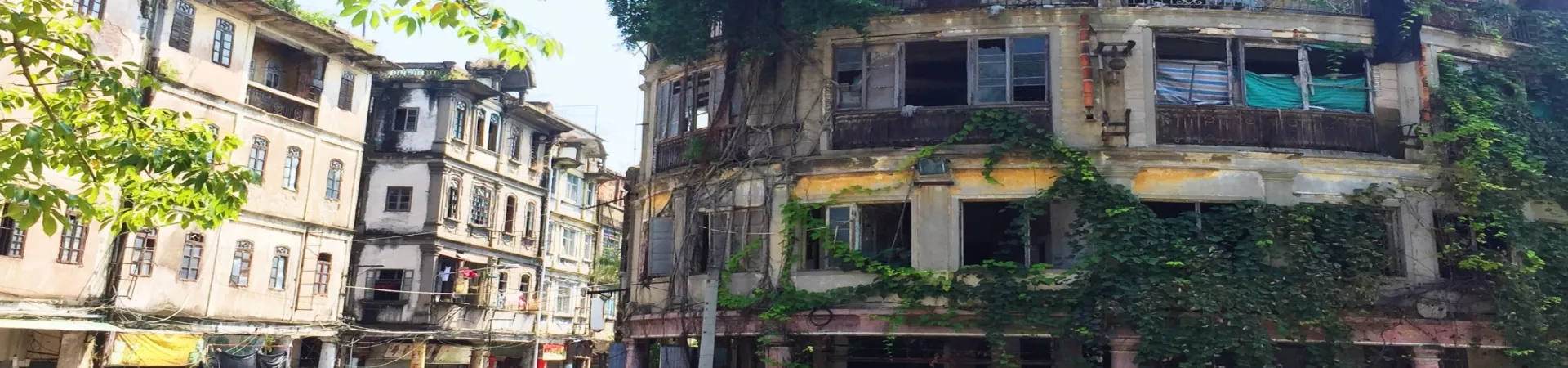
The Architectural Tapestry: A Symphony in Stone and Plaster The Dominance of the Qilou The defining architectural feature of Shantou Old Town is the ubiquitous "Qilou" (骑楼), or arcaded building. These structures are a masterful adaptation to the local subtropical climate, featuring continuous covered walkways on the ground floor that shelter pedestrians from both the intense sun and sudden downpours. This practical design fostered a vibrant street life, encouraging commerce and social interaction rain or shine.
A Parade of Western Styles Above these shaded colonnades rises a spectacular parade of early 20th-century architectural styles, a direct result of Shantou's status as a treaty port and the influence of returning Overseas Chinese who brought back foreign ideas. The skyline is a textbook of Western design, reinterpreted through a local lens. You will find: * Neo-Romanesque edifices with their characteristic rounded arches and robust, fortress-like appearances. * Gothic-inspired elements, pointed arches, and intricate tracery adorning windows and facades. * Elaborate Baroque decorations, with sculptural flourishes, curved forms, and a sense of dynamic movement. * Other influences from Renaissance and Classical revival styles, all blending into a unique eclectic vernacular known as "Qilou style." The ornamentation—carved floral motifs, stylized European figures, and Chinese inscriptions—creates a fascinating visual dialogue between two worlds.
The Historic Commercial Core: Where the Past Echoes A Faded Elegance This area was once the undisputed commercial and financial heart of Shantou, teeming with merchants, sailors, and entrepreneurs. While the epicenter of business has shifted, the grandeur of that era lingers. Wandering the slightly chaotic, narrow streets, you are flanked by rows of timeworn shopfronts bearing the faded calligraphy of legendary local brands and old-fashioned trades. The atmosphere is one of charming, slightly unruly authenticity.
Landmarks Anchoring the Streets Amidst the general fabric, several key historic buildings stand as proud anchors: * The Former Shantou Post Office Building: This imposing structure is a landmark of communication and colonial-era administration. Its dignified presence speaks to a time when this was a crucial node in regional and international networks. * Laoma Gong (The Old Mother Palace): Dedicated to the sea goddess Mazu, this temple is a spiritual cornerstone of the community. It serves as a powerful reminder of the deep-seated maritime culture and traditions that sustained the people of Shantou, especially those venturing overseas. The scent of incense and the intricate temple architecture offer a stark, beautiful contrast to the surrounding Western-style buildings.
Practical Information for the Visitor Planning Your Visit * Suggested Duration: To fully appreciate the architecture, explore the side alleys, and absorb the atmosphere, allocate 2 to 3 hours. This allows for a leisurely pace, photography, and perhaps a stop at a traditional tea shop or snack stall. * Admission: Access to the old town streets and their exterior vistas is completely free of charge. There may be small fees for entering specific museum exhibits or temples like Laoma Gong. * Opening Hours: The district is open 24 hours as it is a public urban area. Daytime offers the best light for admiring architectural details and experiencing daily life, while evening walks present a different, more atmospheric mood with illuminated buildings and night markets.
Getting There & Tips * Transportation: The most straightforward public transport option is to take city bus routes 22A or 26 and alight at the Liansheng Garden (联升花园) bus stop. From there, it is a short and easy walk of approximately 100 meters to the periphery of the old town district, where your exploration can begin. * Visitor Tips: Wear comfortable walking shoes, as the best exploration is done on foot, sometimes on uneven pavement. Be prepared for the weather with sun protection or an umbrella. Engage with the local scene—try a bowl of authentic Shantou beef meatball soup, purchase traditional pastries from a century-old bakery, or simply observe the rhythm of life that continues unabated within this historic frame. The beauty lies in the details: the rust on a vintage sign, the laundry hanging from a balcony, the elderly residents playing chess in a shaded Qilou arcade.