Queshi Scenic Area
Subtitle: A Comprehensive Guide to Queshi Scenic Area, Shantou: Nature's Sculpture Garden and Historical Crossroads
Introduction Nestled across the river from Shantou's bustling city center, the Queshi Scenic Area stands as a sprawling natural sanctuary and a profound historical ledger. Encompassing 43 peaks within its vast expanse, the area is a masterful display of geological artistry, primarily composed of weathered granite hills that create a dramatic landscape of peculiar rock formations, lush valleys, and serene waterways. More than just a natural retreat, Queshi is a cultural palimpsest, where the whispers of ancient spiritual traditions meet the indelible marks of modern foreign intercourse. This guide delves into the intricate layers of Queshi, offering visitors a detailed roadmap to explore its distinct geological zones, revered historical sites, and essential practical information for a seamless journey.
1. Geological Marvel and Landscape Composition The very name 'Queshi' is derived from its stones, a testament to the area's most defining feature. Over millennia, natural forces have sculpted the granite bedrock into a captivating array of fantastical shapes—ranging from towering monoliths to delicate balances—earning it the nickname "the sculpture garden of nature." This rugged topography is beautifully softened by a vibrant green canopy of native trees and shrubs, between which clear streams cascade into quiet pools and waterfalls.
1.1. The Six Core Sub-Scenic Areas The extensive风景区 is systematically divided into six primary zones, each with a unique character and focal points, allowing for structured exploration.
1.1.1. Xianglu Mountain (Fragrant Burner Mountain) Area: As the highest peak in Queshi at 198 meters above sea level, Xianglu Mountain offers the most commanding panoramic views. The hike to its summit is rewarded with breathtaking vistas of the rolling hills, the meandering Rongjiang River, and the distant Shantou city skyline, making it a must-visit for photographers and nature enthusiasts.
1.1.2. Ta Mountain (Pagoda Mountain) Area: Often considered the central and most accessible hub, Ta Mountain area is famous for its iconic stone pagoda and a concentration of the most spectacular rock formations. It serves as an excellent introduction to Queshi's geological wonders and is interlaced with well-maintained walking paths and pavilions for rest and contemplation.
1.1.3. Yanfeng (Flame Peak) Area: Characterized by its striking reddish-hued rocks that seem to glow under the sunlight, Yanfeng provides a different color palette and atmosphere. The area feels vibrant and energetic, with trails that lead visitors through narrow stone passages and past uniquely shaped boulders that ignite the imagination.
1.1.4. Xiaoshi (Whistling Stone) Area: This zone is named for a peculiar rock that allegedly produces a whistling sound when the wind passes through it. It tends to be slightly more secluded, offering tranquil spots by streams and quieter trails for those seeking a peaceful communion with nature away from the main thoroughfares.
1.1.5. Bijia Mountain (Writing Brush Rack Mountain) Area: Resembling the traditional rack used for holding calligraphy brushes, this area's skyline is distinct. Its trails involve more elevation changes, leading to several overlook points that provide stunning perspectives of the surrounding peaks and valleys, appealing to more adventurous hikers.
1.1.6. Su'an Area: This section often blends natural scenery with pockets of cultural and historical interest, acting as a transitional zone. It may feature older local architecture and temples, presenting a glimpse into the area's human history intertwined with its natural environment.
2. Cultural and Historical Intersections Beyond its physical beauty, Queshi is a site of significant cultural convergence, where diverse beliefs and histories have left their architectural footprints.
2.1. Religious and Architectural Heritage
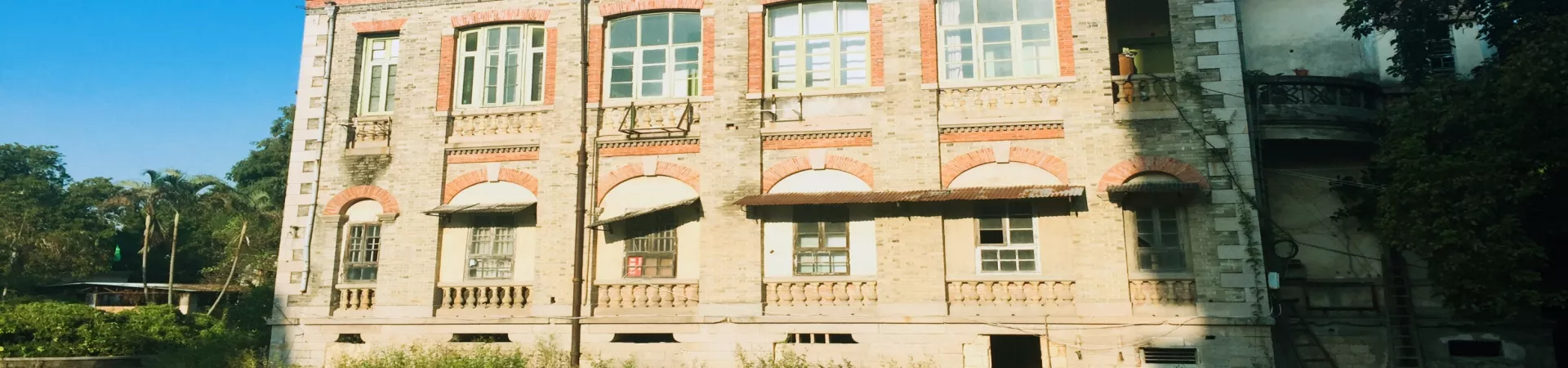
2.1.1. Shantou's First Christian Church: Tucked within the greenery, this historic church marks the introduction of Christianity to the Shantou region. Its simple yet elegant architecture, often a blend of Western and local styles, stands as a quiet testament to the area's early engagement with foreign missionaries and serves as a place of ongoing worship and historical reflection.
2.1.2. The Former British Consulate: Perched strategically, the remnants of the British Consulate building speak volumes of Shantou's past as a treaty port opened after the Opium Wars. This site offers a tangible connection to the 19th-century colonial history and foreign trade that shaped the development of the city, providing a stark contrast to the ancient Chinese landscapes that surround it.
2.1.3. Baihuajian Temple (White Flower Tip Temple): This magnificent temple complex represents a return to deep-rooted Chinese spiritual traditions. Dedicated primarily to the Goddess Mazu, the protector of seafarers, its ornate design, colorful decorations, and grand scale showcase traditional Taoist and Buddhist architectural artistry. The temple is not only an active place of pilgrimage but also a vibrant cultural site offering insight into local folk beliefs.
3. Essential Visitor Information To ensure a rewarding and hassle-free experience, please note the following practical details for planning your visit.
3.1. Admission and Operating Hours
3.1.1. Ticket Policy: Admission to the Queshi Scenic Area is free of charge. Visitors can access the main natural areas and most cultural sites without an entrance fee, making it an exceptionally accessible destination.
3.1.2. Opening Schedule: The scenic area is open daily from 8:00 AM to 5:00 PM. The last admission is at 4:30 PM. It is strongly advised to confirm this schedule before your visit, as operational hours are subject to change due to weather conditions, maintenance, or special events. The provided schedule generally applies year-round.
3.2. Planning Your Visit
3.2.1. Suggested Duration: A full day is recommended to adequately explore multiple sub-areas, undertake a hike to one of the peaks like Xianglu Mountain, and visit key cultural sites such as Baihuajian Temple and the historic church. Visitors with limited time can focus on the Ta Mountain and Yanfeng areas for a condensed experience of the core landscapes.
3.2.2. Contact Information: For the most current information, you may contact the scenic area management at +86 754 8749 0165.
3.3. Tips for a Fulfilling Experience
3.3.1. Attire and Footwear: Given the hilly terrain and extensive walking involved, sturdy, comfortable shoes with good grip are essential. Dress in layers appropriate for the season and be prepared for changing weather conditions.
3.3.2. Provisions: While there may be small vendors near entrances or at temple sites, it is advisable to carry sufficient water and some snacks, especially if you plan on hiking the more remote trails or spending the entire day within the area.
3.3.3. Transportation: The scenic area is accessible by public bus, taxi, or ride-hailing services from downtown Shantou. A short ferry ride across the river is also a traditional and picturesque approach to reaching Queshi.