Mount Sanqing Scenic Area
A Traveler's Guide to Sanqingshan National Park: China's Enigmatic "Mini Huangshan"
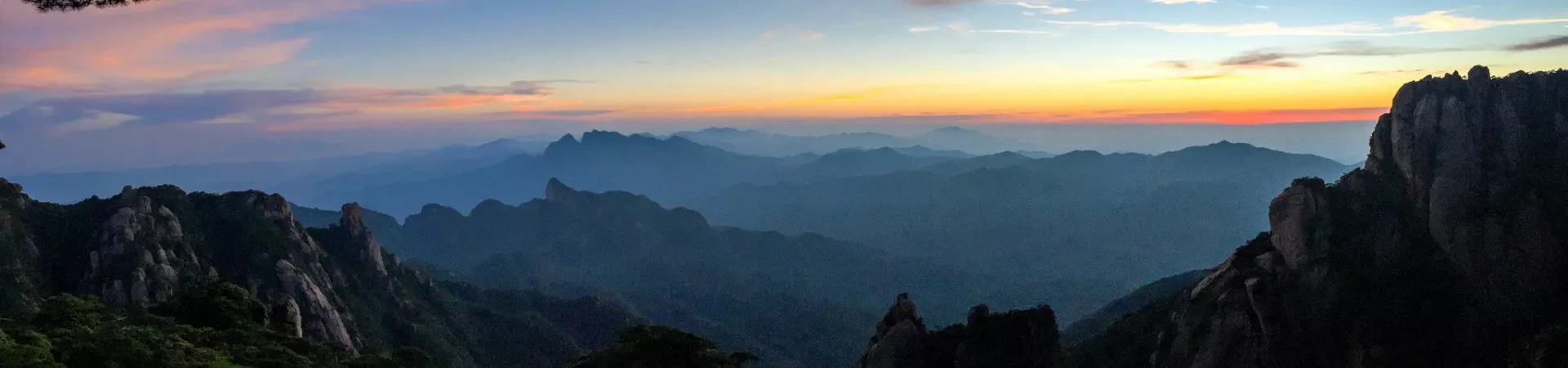
Nestled in the northeastern part of Jiangxi Province, near the city of Shangrao, Sanqingshan National Park stands as a breathtaking testament to nature's artistry and ancient spiritual traditions. Often revered as the "Mini Huangshan," this UNESCO World Heritage Site rivals its more famous counterpart with its ethereal landscapes, characterized by a dense forest of uniquely shaped granite pillars and peaks that seem to pierce the heavens. The park masterfully blends profound natural beauty with rich Taoist cultural heritage, offering visitors an immersive journey through a landscape that feels both dynamically geological and deeply mystical.
A Landscape Forged in Granite and Mist The core appeal of Sanqingshan lies in its otherworldly natural scenery. Over 180 million years of geological evolution have sculpted a realm of incredible rock formations. The park boasts 48 remarkable peaks and 52 peculiarly shaped stones, with over 500 designated scenic spots spread across its vast area. These granite pillars, often shrouded in swirling mist, create a constantly changing panorama that has inspired poets and painters for centuries.
The Heart of Taoist Culture Beyond its physical grandeur, Sanqingshan is one of China's most sacred Taoist mountains. For over 1,600 years, it has been a site of pilgrimage and spiritual retreat. This human history is seamlessly woven into the natural landscape. The most significant cultural site is the Sanqing Palace (Sanqing Gong), a Taoist temple complex dating back to the Ming Dynasty, nestled harmoniously among the peaks. The very names of the mountain's features—peaks, stones, and caves—often draw from Taoist mythology, turning a hike into a walk through a living legend.
Exploring the Key Scenic Areas The park is systematically divided into several major scenic areas, each with its own character. A well-developed trail and cable car system connects them, allowing for comprehensive exploration. * Southern Qingyuan (Nanqingyuan) Area: Considered the essence of Sanqingshan's granite forest, this area is home to its most iconic and concentrated rock formations. * West Coast (Xi Hai'an) & Sunshine Coast (Yangguang Hai'an): These areas feature one of the park's engineering marvels—a high-altitude plank walkway built along sheer cliff faces. Walking this "coast in the clouds" offers dizzying, panoramic views of endless ridges and deep valleys, especially stunning at sunrise or when clouds form a majestic sea below. * Yujing Peak: As the highest peak in the park at 1,819 meters, it serves as the premier vantage point for watching the spectacular sea of clouds and sunrise, a truly unforgettable experience. * Tiyun Ridge, Sanqing Palace, and Yulingguan Area: These sections focus more on the cultural and historical aspects, featuring ancient temples, stone gateways, and inscriptions nestled in serene, forested settings.
The Ten Legendary Scenic Wonders Among the countless formations, ten are celebrated as the absolute must-see "Unique Wonders" of Sanqingshan. These rocks, shaped by erosion, vividly resemble figures and scenes from legend and nature. Key highlights include: * Goddess of Mercy Playing Music (Guanyin Shangqu): A series of peaks resembling a goddess listening to celestial melodies. * Monkey King Presenting Treasure (Houwang Xianbao): A playful rock formation that looks like the mythical Monkey King offering a precious gift. * Jade Maiden Revealing Her Heart (Yunü Kaihuai): A poetic and famously shaped pillar. * Old Taoist Worshipping the Moon (Laodao Baiyue): A silhouette of a devout figure in perpetual reverence.
These wonders are best appreciated with a guide or a good map to help identify their imaginative shapes.
Essential Visitor Information
Getting There: The most common gateways are Shangrao or Yushan County. Yushan Railway Station is closer to the mountain. From either location, regular shuttle buses run to the main entrances of Sanqingshan (typically to the service area at the mountain's base). From there, cable cars provide access to the core scenic zones.
Ticket Information (For reference only, subject to change): * Park Entrance Fee: Adult: 120 RMB; Concession (Children 1.2m-1.5m, students with ID, seniors 60-64): 60 RMB. * Cable Car (Optional but highly recommended to save time and energy): Round-trip: 125 RMB; Uphill only: 70 RMB; Downhill only: 55 RMB. * Combined Tickets: Entrance + Uphill Cable Car: 190 RMB (Adult). Entrance + Round-trip Cable Car: 245 RMB (Adult). Concession rates apply for combined tickets. * Free Admission: Children under 1.2m, seniors aged 65 and over with valid ID (note: cable car not included).
Operating Hours: * Monday-Saturday: 08:00 - 17:30 (Last entry at 17:30). * Sunday: 07:30 - 17:30 (Last entry at 17:00). Cable car operation times generally align with park hours.
Suggested Duration: A minimum of one full day is required to see the highlights. To comfortably explore the major areas, enjoy sunrise, and absorb the atmosphere, a 2-day/1-night stay is highly recommended. Accommodation ranges from hotels at the base to simple guesthouses near the summit.
Travel Tips: * Weather: The weather is highly changeable. Bring layers, rain gear, and sturdy hiking shoes. The sea of clouds is most common after rain or in the early morning. * Planning: The hiking trails involve significant stairs and elevation change. The high-altitude plank walkways are safe but can be intimidating for those with a fear of heights. * Acclimatization: Take your time, especially when climbing to higher elevations. * Verification: Always check the official website or contact the park (Tel: 0793-96373) for the latest ticket prices, opening hours, and special policies before your visit.